- 1Movie Overview
- 2Direction & Cinematography
- 3Cast & Performances
- 4Character Psychology
- 5Themes & Emotional Depth
- 6Memorable Scenes & Dialogue
- 7The Ending — Does It Deliver?
- 8What Works
- 9Honest Criticism
- 10How It Compares
- 11Legacy & Cultural Impact
- 12Behind the Scenes
- 13Who Should Watch It?
- 14Final Verdict
- Genre: Comedy, Drama
- Director: Jonathan Levine
- Year: 2011
- Runtime: 1h 40m
- Language: English (EN)
- TMDB Rating: ⭐ 7.2/10
Movie Overview
Adam (Joseph Gordon-Levitt) is a 27-year-old public radio producer who eats well, jogs regularly, and still gets spinal cancer. His overbearing mother (Anjelica Huston) smothers, his artist girlfriend Rachael (Bryce Dallas Howard) seems checked out, and his best friend Kyle (Seth Rogen) turns the diagnosis into an excuse to pick up women at bars. The only person treating Adam like a human being is his inexperienced therapist Katherine (Anna Kendrick), who's just as nervous as he is. What starts as a dark joke about mortality becomes something quieter—a story about learning to let people in when you'd rather shut down. The chemo scenes hit harder than you'd expect from a film with this many dick jokes. That final car ride before surgery stayed with me long after the credits rolled.
Direction & Cinematography
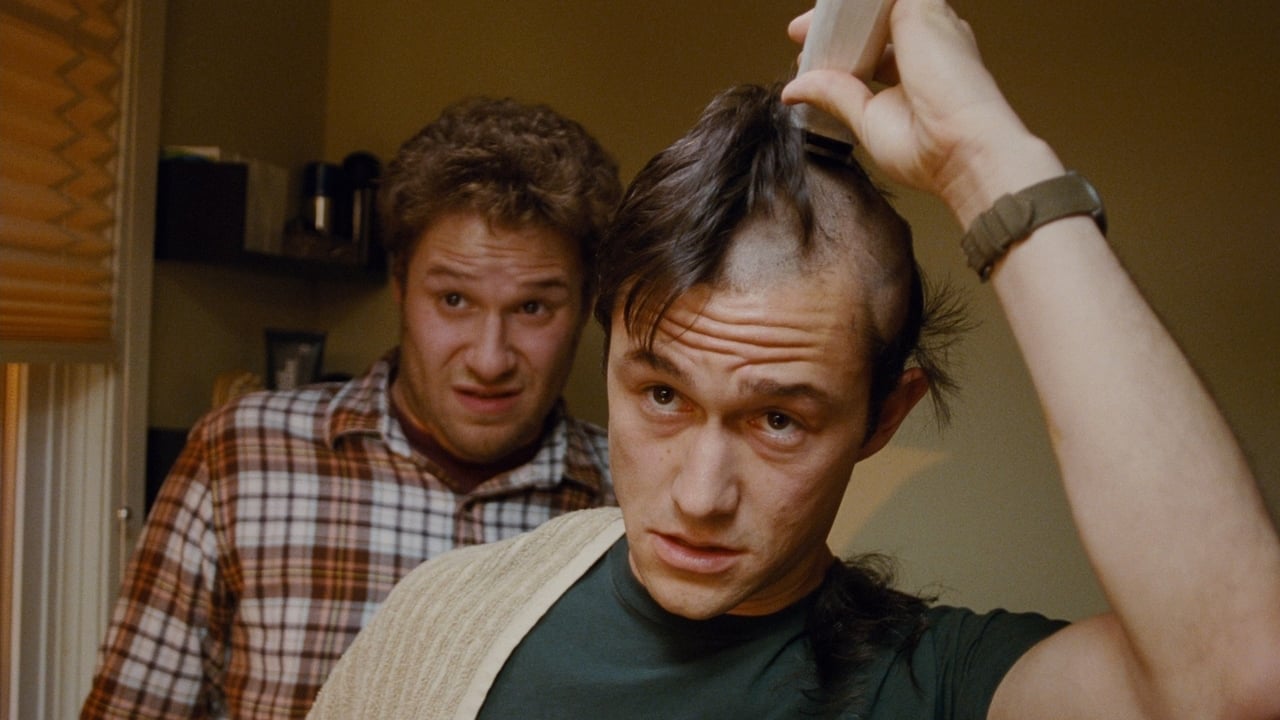
Jonathan Levine shoots this like an indie drama that occasionally remembers it's a comedy. There's a clinical chill to the hospital scenes—wide shots of Adam alone in waiting rooms, the fluorescent lights making everything feel slightly unreal. But then Rogen bursts in with some inappropriate comment, and the frame tightens to catch Gordon-Levitt's reluctant smile. What surprised me most was how Levine holds on silent reactions. When Adam shaves his head pre-chemo, the camera stays locked on his face as the clippers buzz, watching him process the loss of control. The pacing stumbles slightly when the girlfriend subplot takes over, but recovers for a strong final act. I'll admit I didn't expect the tonal shifts to work this well.
Cast & Performances
Gordon-Levitt does his best work here playing against type—Adam is passive, almost blank, until the third act rage finally cracks through. Watch how he physically shrinks during doctor's appointments, shoulders curling inward like he's trying to disappear. Rogen's Kyle is basically playing himself, but it works because the script knows his humor is a defense mechanism. The scene where he panics finding Adam post-surgery feels genuine in a way his usual schtick doesn't. Kendrick's therapist is all nervous tics and over-prepared notes, though I wish the film gave her more to do outside the office. Howard's girlfriend role is the weak link—she's playing a caricature of selfishness until the script suddenly remembers she's supposed to be human.
Character Psychology
Adam wants to believe he can handle cancer alone. What he needs is to admit he's terrified. The film's smartest choice is making his emotional breakthrough happen through anger, not tears—yelling at his mother, trashing his apartment, finally letting the fear out. Kyle needs Adam to stay the same so he doesn't have to face mortality either. Their friendship works because both are faking bravery in different ways. That moment when Kyle finally breaks down in the car? That's the real climax.
Themes & Emotional Depth
This is really about the lies we tell to spare each other. Adam lies about being fine, Kyle lies about why he's suddenly so attentive, even Katherine lies about her qualifications. The funniest scene—Kyle using cancer to pick up women—is also the saddest when you realize he's trying to prove life goes on. What stayed with me was how the film finds humor in avoidance, not the disease itself. The chemo ward scenes aren't played for laughs, but the waiting room small talk absolutely is.
Memorable Scenes & Dialogue
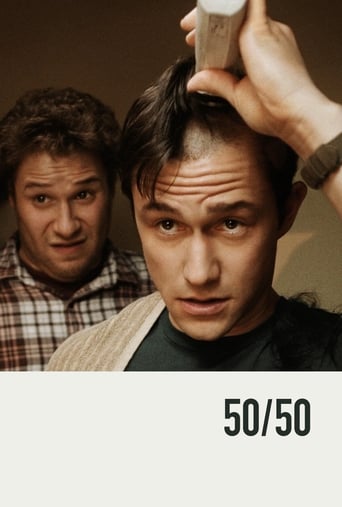
1) The haircut scene: Adam shaves his head pre-chemo while Kyle makes awkward jokes, until the moment the clippers turn on and the camera holds on Adam's face. No music, just the buzz and his slow blink—it's devastating in its simplicity. 2) The failed hookup: Post-diagnosis, Adam tries to sleep with a girl who keeps calling him 'brave,' until he snaps that he didn't choose this. Gordon-Levitt delivers the line like he's been punched. 3) The car breakdown: Kyle finally cracks while driving Adam to surgery, and Rogen plays it with a rawness that lands because the film earns it.
The Ending — Does It Deliver?
The surgery sequence works because the film makes you feel Adam's terror without melodrama. That shot of him being wheeled away—still trying to crack a joke, voice shaking—did more for me than any deathbed speech. I wasn't expecting much from the ending, but the quiet hospital recovery scene lands perfectly. What surprised me was how little resolution we get with Katherine; their relationship stays appropriately messy.
What Works
The friendship feels lived-in thanks to Rogen and Gordon-Levitt's chemistry. Adam's silent scream in the car after his diagnosis is one of the most honest moments in any comedy. The script nails how people actually talk around illness—awkward jokes, forced optimism, sudden rage. Kendrick's nervous therapist provides the perfect counterbalance to Rogen's loudmouth act.
Honest Criticism
Bryce Dallas Howard's character is written as pure villain until a last-minute attempt at nuance that doesn't land. The subplot about Adam's dad with Alzheimer's feels tacked on for extra pathos. Some of the early Rogen humor hasn't aged well—the 'cancer gets you laid' bit plays cruder now than it did in 2011.
How It Compares
It's better than Funny People (2009) because it never romanticizes illness, and more honest than The Big Sick (2017) about how awkward support can be. But it lacks the visual invention of Terms of Endearment (1983), settling for competent TV-movie framing. Where it wins is tone—this could've been maudlin or glib, but finds a rare middle ground.
Legacy & Cultural Impact
Made $40M against a $8M budget and got a Golden Globe nod for Gordon-Levitt. It's become a cult favorite for cancer patients who appreciate its lack of sentimentality. You can see its influence in later illness comedies like The Fault in Our Stars (2014), though none match its balance of crassness and compassion.
Behind the Scenes
- Based on writer Will Reiser's real cancer battle—Seth Rogen essentially plays himself as Reiser's actual friend. 2) The chemo ward scenes used real patients as extras. 3) Gordon-Levitt insisted on shaving his head for real during filming.
Who Should Watch It?
Fans of bittersweet comedies like The Descendants will appreciate how this handles heavy material with light touches. Avoid if you can't tolerate Seth Rogen's brand of bro humor or need a traditionally uplifting illness story.
Final Verdict
8.2/10. It earns its rating by finding laughs in the right places without trivializing the subject. For all the dick jokes, this is ultimately about how hard it is to ask for help. Watch it for Gordon-Levitt's quiet breakdown scene alone—it's the kind of moment most comedies wouldn't dare attempt.
More details, ratings, and cast information on IMDb, TMDB, Wikipedia. YouTube