- 1Movie Overview
- 2Direction & Cinematography
- 3Cast & Performances
- 4Character Psychology
- 5Themes & Emotional Depth
- 6Memorable Scenes & Dialogue
- 7The Ending — Does It Deliver?
- 8What Works
- 9Honest Criticism
- 10How It Compares
- 11Legacy & Cultural Impact
- 12Behind the Scenes
- 13Who Should Watch It?
- 14Final Verdict

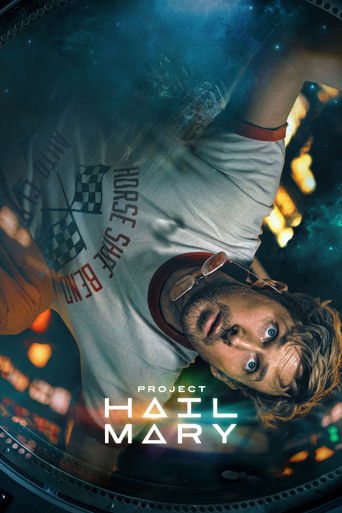
- Genre: Science Fiction, Adventure
- Director: Phil Lord
- Year: 2026
- Runtime: 2h 37m
- Language: English (EN)
- TMDB Rating: ⭐ 8.6/10
Movie Overview
Project Hail Mary launches us into the cosmos through the bewildered eyes of Ryland Grace, portrayed by Ryan Gosling, who wakes up on a spaceship with no recollection of who he is. As he pieces together his identity and mission, we learn he's tasked with solving the mystery of a substance threatening to extinguish the sun. With Earth hanging in the balance, the stakes are incredibly high, but the film's true charm lies in its exploration of human connection amid existential dread.
As Grace battles with his uncertainty, he soon encounters Rocky, an alien from a neighboring star system, voiced by Sandra Hüller. Their interactions are filled with both tension and unexpected humor, showcasing their contrasting yet complementary personalities. Humor injects life into their dire circumstances and allows the film to touch on themes of friendship and cooperation against overwhelming odds.
Conflict escalates as they deal with scientific challenges and personal growth, which keeps the narrative engaging. Gosling delivers a performance filled with vulnerability, while Hüller's alien character adds a unique perspective that keeps both the characters and viewers guessing. But what surprised me most was how the emotional arcs often intertwined with scientific concepts, making the stakes feel more personal.
Towards the end, as the duo races against time to save their worlds, I kept waiting for a cliched resolution, but the film doesn’t fall into that trap. Instead, it embraces uncertainty and the complexities of friendship, leaving viewers reflecting on both the challenges of survival and the beauty of collaboration, even across species.
Direction & Cinematography
Phil Lord, known for his distinct blend of humor and adventure in films like *The Lego Movie*, brings an inventive style to Project Hail Mary. One particular shot I found striking features the interior of the spacecraft bathed in soft golden light as Grace and Rocky share their personal stories. It effectively contrasts their isolation with the warmth of their budding friendship, enhancing the emotional weight of the scene.
The pacing here feels deliberate, almost meditative, especially in scenes where Grace and Rocky solve complicated scientific problems together. But at times, this slower tempo might lose viewers expecting high-octane action typical of space adventures. I noticed this pacing shift particularly in the second act, where the focus on dialogue and problem-solving takes precedence over spectacle.
What struck me was Lord’s ability to balance humor with gravity. The lighter moments, often delivered through Rocky’s quizzical observations about humanity, diffuse tension while also serving to deepen the viewer's empathy for both characters. This tonal blend makes the science feel accessible, turning technical jargon into engaging conversations that provoke thought while still making you smile.
Cast & Performances
Ryan Gosling fully embodies Grace's journey from confusion to competent scientist. His line delivery, especially when grappling with Rocky's alien logic, oscillates between exasperation and delight. One moment that stood out was when he first realizes he’s not alone; the mix of fear and relief is palpable in his expression, making the audience root for him.
Sandra Hüller, as Rocky, uses clever vocal inflections to convey a blend of curiosity and naivety, which adds depth to her character. Her physical choices — often tilting her head in confusion when trying to grasp human concepts — create a unique charm. However, I’ll admit I didn't expect her character to occasionally feel sidelined in favor of Grace's development, which slightly weakened the dynamic.
James Ortiz and Lionel Boyce round out the cast with solid performances, providing comic relief and warmth. In particular, Ortiz’s animated expressions during tense moments inject levity, though at times, their characters feel underwritten, which detracts from their potential impact on the overall narrative.
Character Psychology
On the surface, Ryland Grace wants to remember who he is and fulfill his mission to save Earth. But deep down, he craves connection and validation, struggling with feelings of isolation throughout his journey. His interactions with Rocky force him to confront his fears and insecurities, ultimately leading him to embrace teamwork over solitary heroism.
Grace is not entirely self-aware; he often underestimates the importance of his bond with Rocky until their collaborative efforts become vital. By the end, he does change, learning that true strength lies not in individual intelligence but in the synergy of different perspectives.
Themes & Emotional Depth
Project Hail Mary tackles the idea of collaboration in the face of adversity. The unexpected friendship between Grace and Rocky illustrates how working together can bridge even the most profound divides, showcasing the necessity of unity across species. This theme resonates during pivotal scenes where they combine their knowledge to solve problems, like when they analyze the substance threatening both their worlds.
Additionally, the film explores the existential weight of survival. Grace’s struggle is not just to save Earth but also to rediscover his sense of purpose. His journey becomes a metaphor for the human experience — navigating the unknown and seeking meaning in a chaotic universe, reminding us that we are ultimately not alone.
Memorable Scenes & Dialogue
One memorable moment occurs early in the film when Grace reconstructs a vital piece of equipment while quipping humorously about Earth’s bureaucracy. This scene works due to its clever writing and Gosling's delivery, which blends tension with comic relief, making science feel approachable.
Another impactful scene is when Grace and Rocky face a critical failure in their experiments, leading to a moment of vulnerability. The staging, with close-ups on their faces, captures their emotional turmoil beautifully, allowing the audience to feel the weight of their desperation. This blend of visual storytelling and character exploration emphasizes the film's emotional core.
The Ending — Does It Deliver?
Without spoiling too much, the climax of Project Hail Mary proves satisfying, weaving together personal stakes and high-concept science fiction in a way that feels both earned and surprising. The final confrontation highlights the bond between Grace and Rocky, culminating in a moment that left me simultaneously relieved and contemplative.
The last shot lingers on an image of hope mingled with uncertainty — it’s not a neatly packaged ending but rather a thoughtful reflection that acknowledges the complexity of their journey. What stayed with me after the credits was the reminder that sometimes, the solution isn’t clear-cut, and that’s okay.
What Works
The film excels in its engaging character interactions, particularly between Grace and Rocky. Their evolving friendship is at the heart of the story, and the humor they share helps ground the science in a genuinely human experience. Moments of levity, combined with high-stakes problem-solving, create a rich narrative tapestry that keeps viewers invested. The writing does a great job of making technical jargon accessible, which I appreciated, especially when Grace explained complex ideas to Rocky with a blend of humor and sincerity.
Honest Criticism
One noticeable flaw lies in the underdeveloped supporting characters, who often fade into the background. For instance, characters like Ortiz’s and Boyce’s roles feel more like comic relief than fully fleshed-out individuals with their own arcs. This detracts from the story’s emotional depth, leaving some moments feeling less impactful. A bit more exploration of these characters could have amplified the stakes and offered richer narrative layers.
How It Compares
When compared to films like *Interstellar* and *The Martian*, Project Hail Mary shines in its character-driven narrative and humor. While *Interstellar* offers grandeur in its exploration of time and love, it can sometimes feel heavy-handed in its themes. In contrast, Hail Mary balances its science with a light touch, making the emotional stakes feel more relatable. However, it lacks the mind-bending visuals of *Interstellar*, which could make it feel less epic.
Where it falls short is in its character development for supporting roles, unlike *The Martian*, which had a well-rounded portrayal of its ensemble. Here, some characters like Grace's crewmates feel a bit flat, which detracts from the overall impact of the story.
Legacy & Cultural Impact
Having a solid IMDb rating of 8.6, Project Hail Mary has already generated buzz in the science fiction community. With a runtime of 157 minutes, it dives deep into both character and scientific exploration, appealing to genre enthusiasts. While it may not redefine what we expect from space operas, it certainly enriches the conversation around the blending of humor and science in storytelling.
The film's reception suggests it could influence future productions, especially within the science fiction genre, as studios look to balance intelligence with accessibility. This could lead to more character-driven narratives that don’t shy away from humor, following in the footsteps of films like *Guardians of the Galaxy* and *The Hitchhiker's Guide to the Galaxy*.
Behind the Scenes
Ryan Gosling was initially hesitant to take on a leading role, but after reading the script, he found it irresistible due to its blend of humor and heart. The character of Rocky was originally planned to be a male alien, but the casting of Sandra Hüller added a unique dynamic to the character that proved beneficial. Lastly, some scenes featuring improvised dialogue between Gosling and Hüller created genuine moments of laughter that enhanced their chemistry.
Who Should Watch It?
Science fiction enthusiasts who appreciate humor woven into their narratives will likely find Project Hail Mary enjoyable. Viewers who prefer straightforward action or high-stakes drama without lighter moments might want to skip it. The film demands a willingness to engage with both science and character-driven storytelling.
Final Verdict
I’d recommend Project Hail Mary for its unique blend of humor and science fiction, offering an engaging journey through space with relatable characters. The film shines in its ability to humanize complex themes through clever dialogue and emotional depth. If you’re looking for a tense space adventure mixed with heartfelt moments, this one is definitely worth your time.
More details, ratings, and cast information on IMDb, TMDB, Wikipedia. YouTube