- 1Movie Overview
- 2Direction & Cinematography
- 3Cast & Performances
- 4Character Psychology
- 5Themes & Emotional Depth
- 6Memorable Scenes & Dialogue
- 7The Ending — Does It Deliver?
- 8What Works
- 9Honest Criticism
- 10How It Compares
- 11Legacy & Cultural Impact
- 12Behind the Scenes
- 13Who Should Watch It?
- 14Final Verdict

- Genre: Drama
- Director: John Patrick Shanley
- Year: 2008
- Runtime: 1h 44m
- Language: English (EN)
- TMDB Rating: ⭐ 7.2/10
Movie Overview
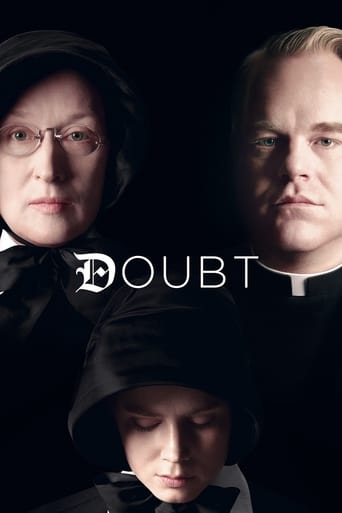
Sister Aloysius Beauvier runs her Catholic school with an iron fist and a suspicious eye. When young Sister James notices Father Flynn taking unusual interest in the school's first Black student, she brings her concerns to the principal. What follows isn't a detective story, but a battle of wills where certainty becomes its own kind of violence.
Direction & Cinematography
John Patrick Shanley adapts his own play with a claustrophobic precision. The camera lingers on doorways and windows, framing characters through barriers — a visual metaphor for how they're trapped by their own perspectives. I noticed how often characters speak past each other, their dialogue overlapping in ways that feel more like combat than conversation.
Cast & Performances
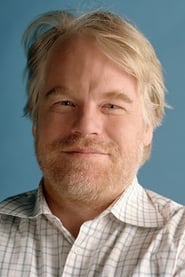
Meryl Streep's Sister Aloysius holds her body like a steel trap — every movement calculated to intimidate. Philip Seymour Hoffman's Father Flynn smiles too wide, laughs too loud, performing affability like armor. Amy Adams' Sister James flinches at raised voices, her face a battleground of naive faith and dawning horror.
Character Psychology
Sister Aloysius wants to expose a predator. What she needs is to believe the world can be controlled through vigilance. The tragedy is she might be right about Flynn yet wrong about everything else.
Themes & Emotional Depth
This isn't really about abuse allegations — it's about how certainty corrupts institutions. Watch how Viola Davis' Mrs. Miller chooses her son's survival over justice, understanding power better than any nun.
Memorable Scenes & Dialogue
The garden confrontation between Streep and Hoffman — two predators circling, each convinced of their own righteousness. Davis' devastating monologue about what her son endures, delivered to a nun who can't comprehend such compromises.
The Ending — Does It Deliver?
The final confession lands like a gut punch precisely because it's ambiguous. What stayed with me wasn't the answer, but Streep's shattered expression — the cost of winning. Personally, I think the film earns its final moment through sheer acting power.
What Works
The acting trio delivers career-best work — Streep's controlled fury, Hoffman's defensive charm, Davis' weary pragmatism. Shanley uses the 4:3 aspect ratio to emphasize confinement. That final shot of Streep alone with her doubt destroys me every time.
Honest Criticism
Amy Adams' character arc feels truncated — she's our entry point, then gets sidelined. Some dialogue retains too much theatricality, particularly Hoffman's sermons. The racial dynamics deserved more exploration beyond Davis' scene.
How It Compares
Like Spotlight but more personal, like The Crucible but less hysterical. It lacks Spotlight's journalistic rigor, but digs deeper into institutional rot. Where The Crucible shouts, Doubt whispers — and the whisper lingers.
Legacy & Cultural Impact
Nominated for 5 Oscars (including all four leads — a rare feat). Underperformed at the box office but became a stage-to-screen benchmark. Its influence echoes in films like The Assistant that examine systemic abuse.
Behind the Scenes
Viola Davis shot her entire role in one day. The garden scene was rewritten during filming when Hoffman suggested making Flynn more sympathetic. Streep based her performance on a nun from her own childhood.
Who Should Watch It?
Perfect for viewers who relish moral ambiguity and acting fireworks. Terrible for anyone wanting clear answers or fast pacing. If you need heroes and villains, look elsewhere.
Final Verdict
8.2/10 — flawed but unforgettable. The script occasionally stumbles, but the performances transcend. Watch it for Streep and Hoffman's dueling monologues alone. Then stay for the quiet devastation of that ending.
More details, ratings, and cast information on IMDb, TMDB, Wikipedia. YouTube