- 1Movie Overview
- 2Direction & Cinematography
- 3Cast & Performances
- 4Character Psychology
- 5Themes & Emotional Depth
- 6Memorable Scenes & Dialogue
- 7The Ending — Does It Deliver?
- 8What Works
- 9Honest Criticism
- 10How It Compares
- 11Legacy & Cultural Impact
- 12Behind the Scenes
- 13Who Should Watch It?
- 14Final Verdict
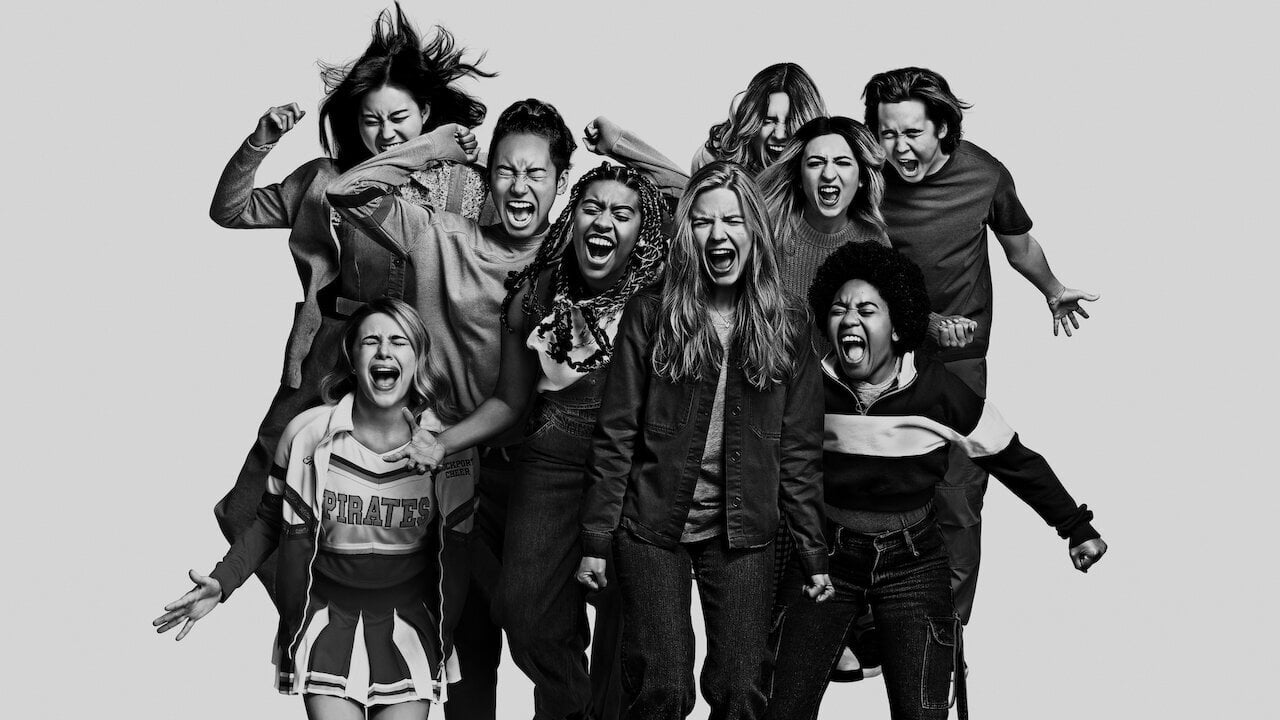
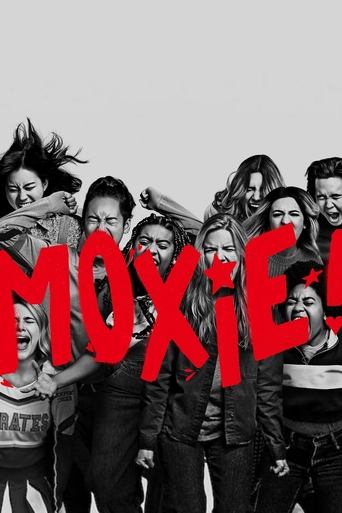
- Genre: Comedy, Drama, Music
- Director: Amy Poehler
- Year: 2021
- Runtime: 1h 50m
- Language: English (EN)
- TMDB Rating: ⭐ 7.2/10
Movie Overview
Vivian Carter (Hadley Robinson) is the kind of quiet high school junior who keeps her head down, watching as star football player Mitchell (Patrick Schwarzenegger) gets away with sexist behavior again and again. What stayed with me after the credits is how her rebellion starts small — digging through her mom Lisa's (Amy Poehler) old riot grrrl memorabilia in that early scene where the camera lingers on her fingers tracing the zine pages.
When new student Lucy (Alycia Pascual-Peña) calls out Mitchell's harassment to a dismissive principal, Vivian anonymously creates the 'Moxie' zine that names names. I wasn't expecting much, but the way the zine spreads through the school — slipped into lockers, passed under desks — captures that giddy teenage sense of secret resistance.
The movement grows messy as more girls join, including Vivian's childhood friend Claudia (Lauren Tsai), who has complicated feelings about the predominantly white feminism taking center stage. That tension doesn't get enough room to breathe, honestly.
By the third act, there are sit-ins, vandalized yearbook photos, and a prom confrontation that feels both cathartic and slightly too neat.
Direction & Cinematography
Amy Poehler brings her comedy background to the film's lighter moments, like the physical comedy of girls scrambling to distribute zines when a teacher turns around. But what struck me was her choice to shoot most hallway scenes with a handheld camera — it makes the high school feel claustrophobic in a way that serves the story.
The riot grrrl soundtrack (Bikini Kill, Sleater-Kinney) does heavy lifting for emotional moments. I'll admit I didn't expect Poehler to use so much diegetic music — characters actually putting on records, which makes Vivian's mom's past feel tangible.
Pacing stumbles in the second half when subplots multiply. That said, the final protest scene is staged with real energy, letting us see who joins and who hesitates at the edges.
Cast & Performances
Hadley Robinson carries the film with subtle facial acting — watch how her eyes dart away whenever someone praises the zine, like she can't quite own her own courage yet. Her line readings get sharper as Vivian grows bolder.
Alycia Pascual-Peña's Lucy has this immediate presence that makes you understand why she galvanizes Vivian. It bothered me slightly that the script sidelines her right when her perspective matters most.
Nico Hiraga as Vivian's love interest Seth brings warmth to what could've been a bland nice guy role. His reaction to finding a zine — a quiet nod rather than performative allyship — was more telling than any speech.
Character Psychology
Vivian wants to make change without risking her good girl reputation. What she needs is to realize that real rebellion can't be anonymous forever.
The film's most interesting tension lies in how she mirrors her mom's past activism while fearing the same consequences Lisa faced. That final shot of them together suggests she's starting to understand the cost — and value — of being seen.
Themes & Emotional Depth
Moxie is really about the messy transition from private anger to public action. The scene where Claudia calls out Vivian for assuming all girls share the same experience cuts deeper than any locker room vandalism.
It's also a rare film showing how feminism gets passed between generations. Lisa's bittersweet reaction to seeing her daughter rediscover her old zines — proud but wary — says more about activist burnout than any monologue could.
Memorable Scenes & Dialogue
The locker room scene where girls compare their harassment stories starts quietly, then builds to a shouting match when one girl defends Mitchell. The blocking — girls perched on benches, others pacing — makes it feel spontaneous.
Vivian and Seth's first kiss gets interrupted by her frantic zine distribution, which is both funny and telling about her priorities. His amused 'We can multitask' lands perfectly.
Lucy's cafeteria confrontation with Mitchell plays out in one unbroken take, letting us see every student's reaction in real time.
The Ending — Does It Deliver?
The prom protest works because we've seen each character's hesitation build — Claudia's worry about immigrant parents' reactions, Vivian's fear of consequences. When they finally step forward together, it feels earned.
What surprised me most was the aftermath. The film avoids an unrealistically tidy resolution, letting some relationships stay fractured. That final shot of Vivian and Lisa driving away leaves you with hope — but also the sense this fight isn't over.
What Works
Hadley Robinson's performance anchors the film, especially in quiet moments like when she overhears guys rating girls and her face shifts from discomfort to determination. The zine creation scenes have tactile detail that makes the rebellion feel real — folding papers, smudged ink, the risk of getting caught. Lucy's confrontation with the principal lands because Pascual-Peña delivers her lines with controlled fury rather than shouting. And the soundtrack choices perfectly underscore key moments without overdoing it.
Honest Criticism
The subplot about the teacher (Ike Barinholtz) feels undercooked — his redemption happens too abruptly. Claudia's conflict about immigrant parents disapproving of activism gets introduced late then resolved too neatly. Some dialogue in the group scenes sounds more like feminist theory than actual teen speech. And Mitchell never evolves beyond a cardboard villain, which undercuts the film's nuance elsewhere.
How It Compares
Moxie has Booksmart's humor but more political teeth, though it lacks that film's visual flair. It shares The Hate U Give's urgency about systemic injustice but stumbles more with its subplots.
Where it stands out is in depicting intergenerational feminism — a angle most teen dramas miss. But it never quite reaches the raw power of Assassination Nation's climactic riot.
Legacy & Cultural Impact
Released on Netflix during 2021's pandemic slump, Moxie didn't make cultural waves but found its audience. It sparked decent discourse about representing diverse feminist perspectives in YA stories.
The film's lasting value may be as a gateway for younger viewers to discover riot grrrl culture — streaming playlists of its soundtrack saw noticeable bumps.
Behind the Scenes
- Poehler originally planned to play Vivian's mom as more overtly punk, but softened the character after realizing moms in 2021 would be Gen X, not boomers.
- The zines seen in the film were created by real riot grrrl artists recruited for authenticity.
- The 'Moxie' logo was designed by the same artist who made logos for 90s feminist punk bands.
Who Should Watch It?
Teen girls discovering activism will see themselves here. Adults who lived through 90s feminism may appreciate the generational parallels. Viewers wanting subtle character study should look elsewhere — this is broad strokes storytelling.
Final Verdict
Moxie isn't perfect, but its flaws come from reaching for something meaningful. I'd recommend it for Robinson's performance alone — she makes Vivian's journey feel authentic even when the plot doesn't. The film understands teenage anger in a way few mainstream movies do. While some subplots falter, the core message about finding your voice lands with force. See it for that riot grrrl spirit captured in scenes where rebellion feels thrillingly possible.
More details, ratings, and cast information on IMDb, TMDB, Wikipedia. YouTube