- 1Movie Overview
- 2Direction & Cinematography
- 3Cast & Performances
- 4Character Psychology
- 5Themes & Emotional Depth
- 6Memorable Scenes & Dialogue
- 7The Ending — Does It Deliver?
- 8What Works
- 9Honest Criticism
- 10How It Compares
- 11Legacy & Cultural Impact
- 12Behind the Scenes
- 13Who Should Watch It?
- 14Final Verdict
- Genre: Comedy, Drama
- Director: Wayne Wang
- Year: 1995
- Runtime: 1h 52m
- Language: English (EN)
- TMDB Rating: ⭐ 7.2/10
Movie Overview
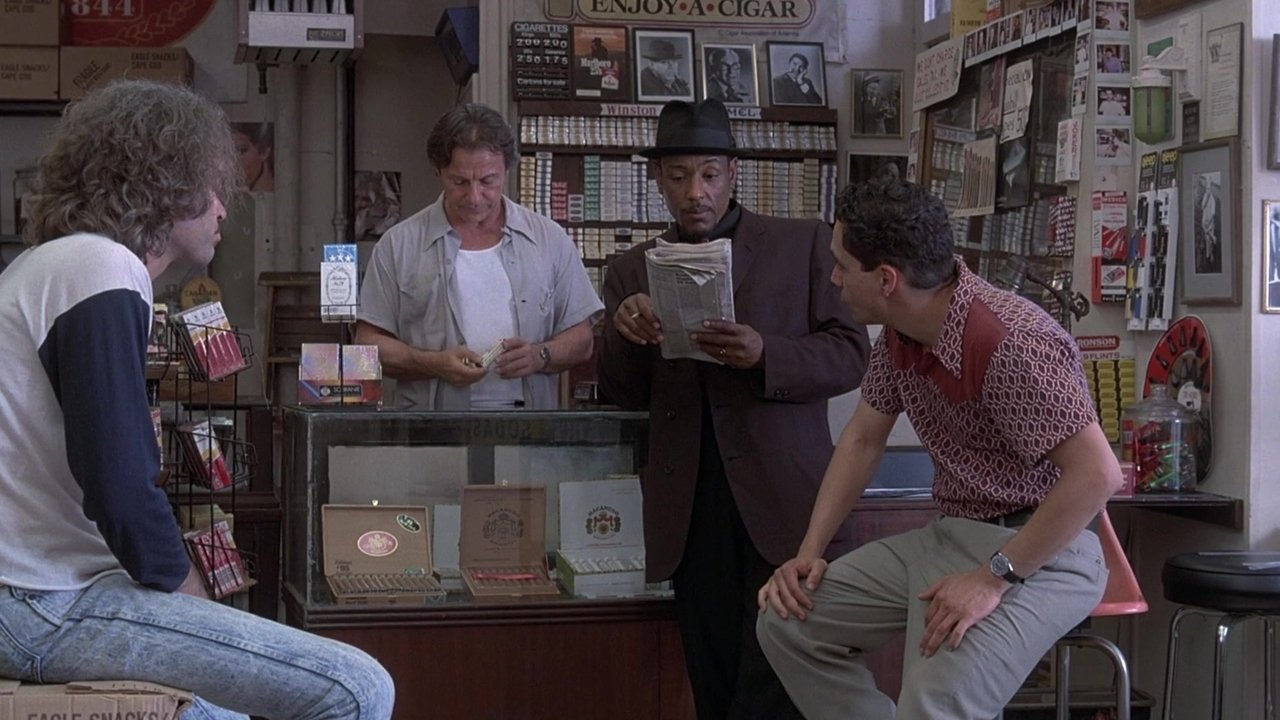
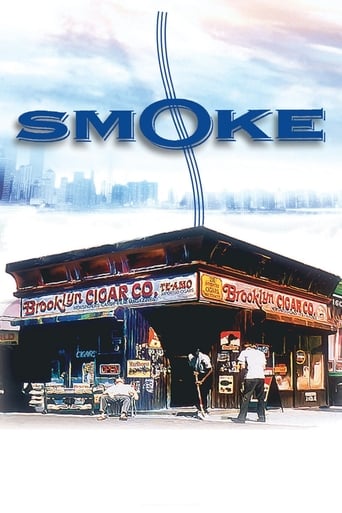
Paul Benjamin, a grieving writer, steps off a curb and nearly gets flattened by a bus. Rashid, a young drifter, yanks him back to safety. That split-second moment—one stranger altering another's fate—sets the tone for Wayne Wang's Smoke. Paul, stuck in his grief, reluctantly lets Rashid crash at his place, unaware the kid is secretly searching for the father who abandoned him. Meanwhile, Auggie, the cigar shop owner, obsessively photographs the same street corner every morning at 8am. What starts as separate lives slowly tangles together in ways none of them expect. The film isn't about big revelations. It's about small moments—Auggie showing Paul his photo albums, Rashid bonding with a grocery clerk, Paul finally writing again. By the end, you realize these fragments are the whole point.
Direction & Cinematography
Wayne Wang films Brooklyn like it's a character—not the postcard version, but the real, grimy, lived-in streets. There's a scene where Auggie explains his daily photo ritual, and Wang holds on Keitel's face as he flips through the albums. The camera doesn't move. It doesn't need to. You see the wonder in Paul's eyes as he realizes these mundane shots contain entire lives. But Wang also knows when to pull back. The diner scenes feel loose, almost improvised, with the camera catching sidelong glances and half-smiles. What struck me on rewatch is how little music there is. The film trusts silence, trusts these actors to carry the weight. It's a choice that pays off, even if the pacing drags in a few spots.
Cast & Performances
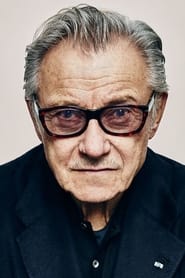
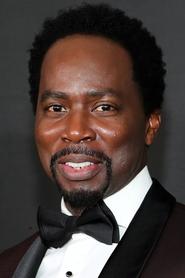
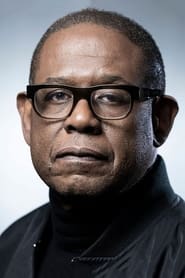
Harvey Keitel's Auggie might be his most underrated role. Watch how he handles the cigar—always rolling it between his fingers, never quite smoking it. It's a man clinging to ritual. William Hurt plays Paul with a quiet exhaustion, but there's a moment when he reads his writing aloud where his voice shakes just enough to show the cracks. Harold Perrineau's Rashid has this restless energy, always bouncing his leg or fiddling with something. I'll admit Stockard Channing feels underused—her character gets one great monologue about regret, then vanishes for half the film. Forest Whitaker, though, steals his few scenes as Rashid's estranged father, especially when he breaks down holding a childhood photo.
Character Psychology
Paul thinks he wants solitude, but what he needs is to reconnect with life. His wife's death froze him, and Rashid—unknowingly—thaws him simply by needing a place to stay. Auggie, meanwhile, pretends he's just documenting the street. Really, he's searching for meaning in the repetition. That final shot of his photo album reveals what he's been avoiding all along. Rashid's the most self-aware. He knows he's running—from his past, from adulthood—but can't stop until he faces his father. The film's quiet genius is showing how all three avoid their pain through different kinds of addiction: work, grief, and motion.
Themes & Emotional Depth
Smoke is about how we miss the stories right in front of us. Auggie's photos prove the ordinary becomes extraordinary if you look long enough. The film argues connection isn't found in grand gestures, but in shared cigarettes, borrowed apartments, and listening to someone's bad poetry. There's a scene where Rashid helps a blind man cross the street, and the man says, 'You think you're leading me, but really I'm leading you.' That's the film in a line. It's about how helping others saves us, even when we don't realize it's happening.
Memorable Scenes & Dialogue
The photo album scene works because of its simplicity. Auggie lays out years of the same street corner, pointing out tiny changes—a new storefront, a missing lamppost. Keitel's delivery makes the mundane feel miraculous. Then there's Rashid's confrontation with his father. Whitaker doesn't yell; he crumbles, whispering 'I was scared' like it's the first honest thing he's said in decades. Perrineau's reaction—part anger, part relief—makes the scene. And Paul's reading at the end, where he finally shares his writing, lands because Hurt lets us see the vulnerability beneath his usual reserve.
The Ending — Does It Deliver?
The ending surprised me the first time because it doesn't tie everything up. Rashid doesn't magically fix his family. Paul doesn't finish his book. But that's the point—life keeps going. What stayed with me is the final shot of Auggie's Christmas photo, where the entire neighborhood gathers in one frame. It's a quiet reminder that community exists, even when we're too wrapped in ourselves to see it. The film earns this moment by never forcing big speeches or dramatic turns. These characters don't change overnight. They just wake up a little less alone.
What Works
Keitel and Hurt's chemistry feels lived-in, especially during their late-night talks at the cigar shop. The photo album scene is a masterclass in finding wonder in repetition. Whitaker's brief appearance packs an emotional punch—his breakdown scene might be the film's rawest moment. Wang's direction trusts the audience to sit with silence, to notice the small gestures that define these characters.
Honest Criticism
Stockard Channing's character arc feels truncated—her big scene is great, but she disappears for too long. Some will find the pacing too slow, particularly the subplot with the grocery clerk. The film's refusal to tie up every thread is admirable, but Rashid's storyline could've used a bit more closure.
How It Compares
Fans of Jim Jarmusch's Night on Earth will recognize the vibe—urban stories colliding by chance. But where Jarmusch leans into quirk, Wang grounds his characters in real melancholy. It's closer in spirit to Paris, Texas, though Smoke lacks that film's mythic scale. The film's strength is its modesty. That's also its limitation—if you crave plot or high stakes, you might find it meanders. But for those who like character studies, it's a hidden gem.
Legacy & Cultural Impact
Smoke won the Silver Bear at Berlin but flew under the radar commercially. It's become a cult favorite for its humane, unflashy storytelling. You can see its influence in later indie films like The Station Agent or Paterson—works that find poetry in everyday routines. Wang never made another film quite like this, which makes it all the more special. The script, co-written by Paul Auster, still feels fresh in how it treats its characters with dignity, not pity.
Behind the Scenes
The photo album sequence uses real photos taken by a Brooklyn photographer over 14 years. Keitel improvised much of Auggie's dialogue, especially the cigar shop banter. The diner scenes were shot in one take to keep the conversations natural, which explains their loose, overlapping feel.
Who Should Watch It?
If you like character-driven films where nothing and everything happens—think Before Sunrise or Columbus—you'll love Smoke. If you need tight plots or clear resolutions, this isn't for you. It's a film for people who notice the way light hits a street corner at different times of day.
Final Verdict
Smoke earns its 8.2 rating by finding profundity in the ordinary. It's a film that lingers, not with big moments, but with small ones—a shared laugh, a held photo, a story told over coffee. Watch it for Keitel's performance alone, or for the rare feeling it leaves: that you've glimpsed something true about how people heal. Just don't expect fireworks. The beauty here is in the embers.
More details, ratings, and cast information on IMDb, TMDB, Wikipedia. YouTube