- 1Movie Overview
- 2Direction & Cinematography
- 3Cast & Performances
- 4Character Psychology
- 5Themes & Emotional Depth
- 6Memorable Scenes & Dialogue
- 7The Ending — Does It Deliver?
- 8What Works
- 9Honest Criticism
- 10How It Compares
- 11Legacy & Cultural Impact
- 12Behind the Scenes
- 13Who Should Watch It?
- 14Final Verdict
- Genre: Comedy, Family, Fantasy, Music
- Director: Michelle Johnston
- Year: 2016
- Runtime: 1h 32m
- Language: English (EN)
- TMDB Rating: ⭐ 7.2/10
Movie Overview
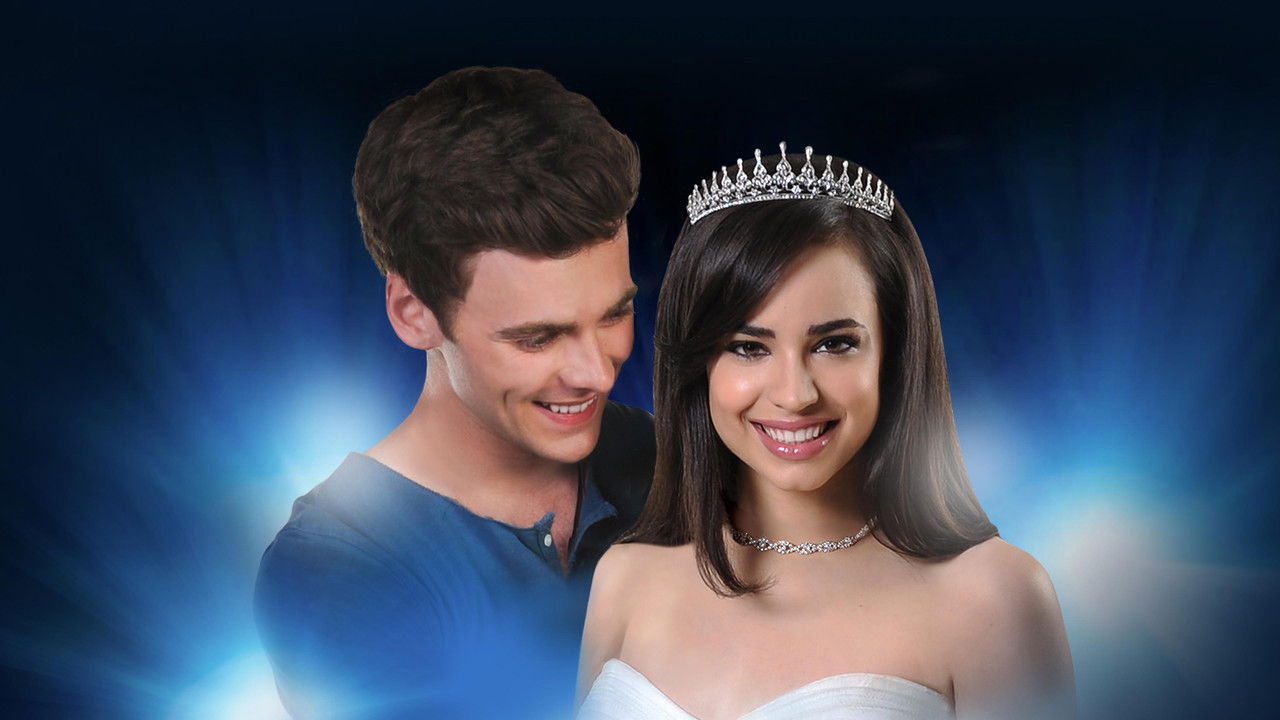
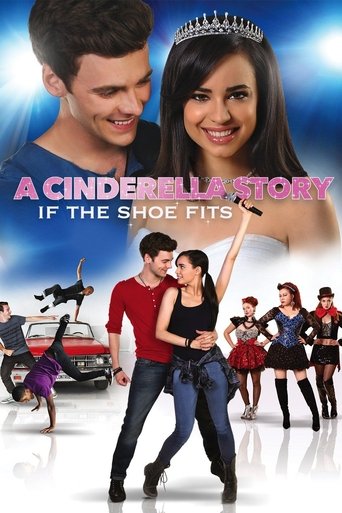
Tessa is a stepdaughter stuck in a house with a cruel stepmother and stepsisters. Singing is her dream, but it feels out of reach. Then a musical competition hosted by pop star Johnny Prince comes along. It’s a shot at freedom and fame. Disguised, she auditions while dealing with family drama and her feelings for Johnny. The clock is ticking, though. Her disguise and her chance won’t last forever.
Direction & Cinematography
Michelle Johnston brings a playful, glittery take to the Cinderella tale. The musical numbers are energetic, especially the auditions, which feel like Glee meets Disney Channel. Johnston keeps things light and fun, though the pacing stumbles during the stepsisters’ antics. What stands out is her use of color. Tessa’s world is muted until she enters the competition, then everything explodes in neon and sparkles. It’s a simple visual cue, but it works for her transformation.
Cast & Performances
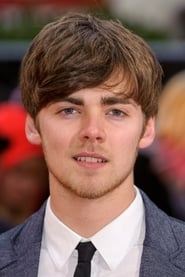
Sofia Carson carries the film effortlessly. She balances Tessa’s vulnerability and determination. Her voice is the highlight in the musical numbers, especially the solo audition. It’s obvious why she got the part. Thomas Law plays Johnny Prince with enough charisma to be believable, though he’s a bit generic next to Carson. Jennifer Tilly steals every scene as the outrageous stepmother, but her performance can tip into cartoonish territory. Jazzara Jaslyn and Nicole Fortuin’s stepsisters are more annoying than funny. That may be intentional, but it doesn’t always work.
Character Psychology
Tessa wants out of that oppressive house. She wants to sing. But what she truly needs is to believe in herself, and her stepfamily has robbed her of that. Her journey is about finding her voice, both literally and metaphorically. By the end, she’s not just chasing a dream. She’s fighting for her own self-worth. The final scene, where she steps on stage as herself, says everything.
Themes & Emotional Depth
This is a story about breaking free from expectations and finding your own path. Tessa’s story echoes the classic fairytale, but it’s grounded in modern struggles: pressure to conform, fear of failure, courage to be yourself. When she performs her original song, it’s a turning point for both the plot and her character. That moment feels raw and honest, especially in a film so full of glitter.
Memorable Scenes & Dialogue
The audition scene stands out. Tessa starts nervous, then builds confidence as she sings. Johnston captures that shift perfectly. The stepsisters’ disastrous performance is another highlight, both cringe and funny. And the final stage performance gives Tessa’s journey a satisfying payoff. The staging stays focused on her, letting Carson shine.
The Ending — Does It Deliver?
The ending feels earned, even if it’s predictable for anyone who knows Cinderella. What surprised me was the emotional weight. Tessa’s final performance isn’t just about winning. It’s about reclaiming her identity. The last shot gives you a sense of triumph, though the ride there was a bit bumpy.
What Works
Sofia Carson is the heart of the film. She gives Tessa depth and charm. The musical numbers are energetic and well staged, especially the auditions. And the visual contrast between Tessa’s dull home life and the vibrant competition tells a story without saying a word.
Honest Criticism
The stepsisters’ antics go overboard and slow down the middle act. Jennifer Tilly’s stepmother is entertaining, but she tips into caricature, which clashes with the quieter moments. And the film sticks so close to the Cinderella formula that there’s little room for surprises.
How It Compares
Next to earlier A Cinderella Story movies, this one leans harder into the music, and that helps. It’s not as sharp as the 2004 original with Hilary Duff, but it’s more cohesive than some later sequels. Descendants fans might enjoy Sofia Carson, though this lacks that same emotional depth.
Legacy & Cultural Impact
It’s not groundbreaking, but this movie found its audience on TV and streaming. It’s one of many Cinderella adaptations, yet the musical twist and Sofia Carson’s star power help it stand out. No awards, but it’s a fun addition to the genre.
Behind the Scenes
Sofia Carson originally tried out for a different part, but after the producers heard her sing, they cast her as Tessa. The competition scenes were shot with a live audience to get real reactions. Jennifer Tilly ad-libbed a lot of her stepmother’s wildest lines.
Who Should Watch It?
If you like modern fairytales and musicals, this fresh take on Cinderella is for you. If you want something deeper and more nuanced, you might find it too predictable.
Final Verdict
This is a fun, glittery update on a classic tale. Sofia Carson’s performance and the musical numbers make it worth a watch, even though the story sticks to the formula. If you want a lighthearted escape, it delivers. Just don’t expect anything groundbreaking.
More details, ratings, and cast information on IMDb, TMDB, Wikipedia. YouTube