- 1Movie Overview
- 2Direction & Cinematography
- 3Cast & Performances
- 4Character Psychology
- 5Themes & Emotional Depth
- 6Memorable Scenes & Dialogue
- 7The Ending — Does It Deliver?
- 8What Works
- 9Honest Criticism
- 10How It Compares
- 11Legacy & Cultural Impact
- 12Behind the Scenes
- 13Who Should Watch It?
- 14Final Verdict
- Genre: Drama, Romance
- Director: Simon Curtis
- Year: 2022
- Runtime: 2h 4m
- Language: English (EN)
- TMDB Rating: ⭐ 7.2/10
Movie Overview
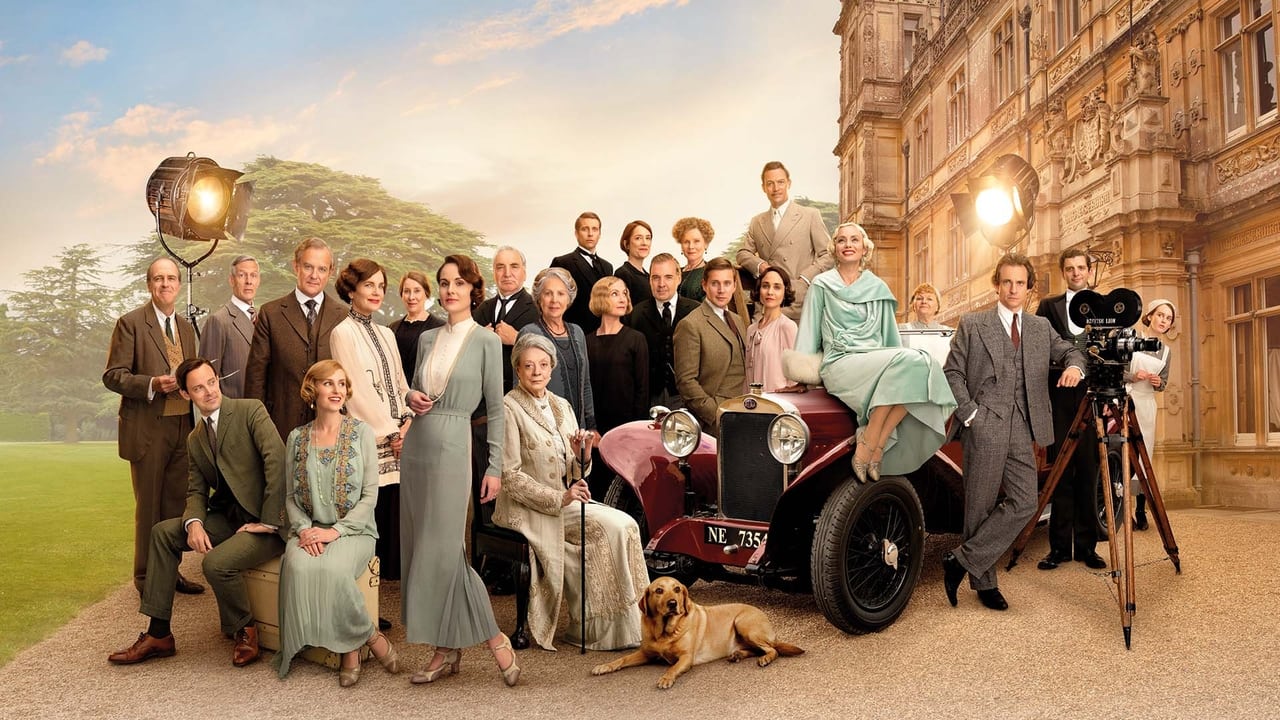
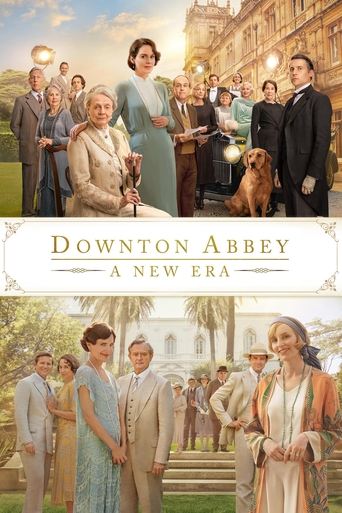
Downton Abbey: A New Era opens with a twist: Violet Crawley, played by Maggie Smith, has inherited a villa in the south of France from a mysterious late suitor. The Crawley family—led by Robert (Hugh Bonneville) and Cora (Elizabeth McGovern)—decides to investigate, so they split the household between Downton and France. Meanwhile, a Hollywood film crew arrives at Downton to shoot a silent movie, bringing chaos and fresh faces. One storyline unfolds in sunny France, the other in familiar Downton. They circle themes of legacy, change, and farewells. Violet’s quiet confrontation with her past forms the emotional core. The younger generation navigates love and ambition in a world shifting around them. It’s a story about endings, but also about new beginnings.
Direction & Cinematography
Simon Curtis, who directed My Week with Marilyn, brings a polished yet sentimental touch. The pacing is deliberate, spending equal time on the grandeur of the French villa and the bustle of Downton. Curtis frames the Crawleys’ interactions with intimacy, especially in quiet moments like Violet’s conversations with her granddaughter Mary (Michelle Dockery). But the dual storylines sometimes feel disjointed. The French subplot gets more attention than the Hollywood filming scenes. Curtis does balance humor and melancholy—a series signature. Still, the conclusion feels designed to tie up loose ends rather than surprise.
Cast & Performances
Maggie Smith steals every scene as Violet Crawley, bringing both trademark wit and a newfound vulnerability. Her exchanges with Michelle Dockery’s Mary are especially poignant; the grandmother-granddaughter chemistry is clear. Hugh Bonneville’s Robert feels sidelined this time, though he shines in a heartfelt moment about his family’s legacy. Michelle Dockery anchors the film with a poised yet conflicted performance as Mary. Elizabeth McGovern’s Cora doesn’t get much to do, which is a missed opportunity. On rewatch, I noticed Jim Carter’s Carson, though not central to the plot, adds a grounding presence. His dry humor remains a highlight.
Character Psychology
At its heart, this film is about letting go. Violet Crawley, the ever-present matriarch, confronts her mortality and the secrets of her past, showing a softer side beneath the sharp exterior. Mary, meanwhile, wrestles with her role as the estate’s future custodian, pulled between tradition and her own desires. Both women want control. Violet wants control over her legacy; Mary wants control over her life. What they need is acceptance—Violet of her fading influence, Mary of her evolving place in the world. The film suggests they find it, but not without a struggle.
Themes & Emotional Depth
The film looks at the tension between old and new, inside the Crawley family and in society at large. Violet’s villa symbolizes a legacy she never fully claimed. The Hollywood film shoot at Downton represents modernity pressing in on tradition. Change here isn’t a threat—it’s inevitable. One scene captures this beautifully: Mary decides to let the film crew shoot at Downton, despite her initial reservations. That choice underscores the central theme: preserve the past while embracing the future.
Memorable Scenes & Dialogue
Violet’s scene revealing the truth about her French suitor is a standout. Maggie Smith’s delivery is understated and deeply moving; the revelation adds layers to her character. The silent film premiere at Downton also sticks with you—it blends humor and nostalgia as the Crawleys watch themselves onscreen. Then there’s the final shot of Violet walking alone through the villa gardens. It’s quietly powerful and captures the film’s bittersweet tone.
The Ending — Does It Deliver?
The climax feels earned. It ties both storylines together in a way that’s emotionally satisfying, if not surprising. Violet’s final scene is poignant, offering closure for her character. The Hollywood subplot wraps up neatly, but it lacks the emotional weight of the French storyline. I found the ending more comforting than revelatory—a fitting farewell to characters we’ve grown to love.
What Works
Maggie Smith’s performance is subtle and striking. Her scenes with Michelle Dockery form the film’s emotional backbone. The French storyline gives the Crawleys a fresh backdrop—stunning visuals and more of Violet’s past. The humor, especially from the Downton staff, stays true to the series’ spirit.
Honest Criticism
The Hollywood subplot feels underdeveloped. It serves as comic relief more than a meaningful addition. Cora and Robert get sidelined, a disappointment given their importance in the series. The pacing drags in places, especially when shifting between France and Downton.
How It Compares
Compared to the first Downton Abbey film, A New Era feels more introspective and less plot-driven. It has echoes of Gosford Park in how it handles class and legacy, but without that film’s sharp critique. Fans of the series will appreciate the focus on character. Newcomers might find it slow. Where it succeeds is emotional depth—something the first film sometimes sacrificed for spectacle.
Legacy & Cultural Impact
Downton Abbey: A New Era pleased fans and earned $97 million worldwide against a $40 million budget. It didn’t break new ground critically, but it solidified the franchise’s status as a beloved period drama touchstone. By digging into Violet’s backstory, the film added depth to the series and ended it on a high note.
Behind the Scenes
Maggie Smith initially hesitated to return as Violet Crawley, thinking the character’s story had been fully told. The French villa scenes were shot at Le Château de la Malmaison, a real estate near Paris. The silent film in the movie was made using authentic techniques from that era.
Who Should Watch It?
Fans of the Downton Abbey series will find a satisfying conclusion to the Crawleys’ story here. Those unfamiliar with the series might struggle to connect with the characters and their dynamics. If you want a fast-paced plot, this isn’t it.
Final Verdict
Downton Abbey: A New Era is a heartfelt, if uneven, farewell to the Crawleys. Its strengths lie in Maggie Smith’s performance and the emotional depth of Violet’s storyline. It stumbles balancing its dual plots, but it delivers the warmth and nostalgia fans expect. Watch it for Maggie Smith’s final bow. It’s worth it.
More details, ratings, and cast information on IMDb, TMDB, Wikipedia. YouTube