- 1Movie Overview
- 2Direction & Cinematography
- 3Cast & Performances
- 4Character Psychology
- 5Themes & Emotional Depth
- 6Memorable Scenes & Dialogue
- 7The Ending — Does It Deliver?
- 8What Works
- 9Honest Criticism
- 10How It Compares
- 11Legacy & Cultural Impact
- 12Behind the Scenes
- 13Who Should Watch It?
- 14Final Verdict


- Genre: Drama, Romance
- Director: Justin Baldoni
- Year: 2024
- Runtime: 2h 11m
- Language: English (EN)
- TMDB Rating: ⭐ 6.9/10
Movie Overview
It Ends with Us centers on Lily Bloom, played by Blake Lively, who is trying to establish her life as a florist in Boston after the passing of her father. When her first love, Atlas, reappears, her current relationship with Ryle, a charming but abusive neurosurgeon, begins to crumble. The emotional arc intensifies as Lily grapples with her conflicting feelings for Atlas and the harsh realities of Ryle's explosive temper. This struggle pits her deep-rooted love against an alarming sense of self-preservation.
As the story unfolds, what struck me was how the film doesn’t shy away from depicting the subtle signs of emotional abuse. Ryle's charming moments are contrasted sharply with his darker side, creating a tension that resonates throughout Lily's journey. The escalating conflict forces Lily to confront her past with Atlas while weighing the risks of staying with Ryle. The love triangle is compelling, but the film takes its time developing these relationships, which sometimes slows the pacing.
What surprised me most was how Lily's character evolves. She begins as a woman attempting to please everyone around her but ultimately learns to assert her own needs. In the final third of the film, her choice becomes more than just about love; it’s about her identity and strength. This culminates in a powerful scene where she finally stands up to Ryle, showcasing her growth. Still, I kept waiting for a deeper exploration of Atlas, who sometimes feels like a plot device rather than a fully fleshed-out character.
I want to avoid spoilers, but the ending doesn’t wrap everything up neatly. Instead, it invites viewers to reflect on the complexities of love, choice, and resilience. Overall, the film succeeds in capturing the emotional weight of these themes, even if some elements feel rushed or underdeveloped.
Direction & Cinematography
Directed by Justin Baldoni, It Ends with Us utilizes a blend of soft lighting and intimate close-ups to create a sense of closeness and tension. One effective shot features Lily standing in her flower shop, surrounded by vibrant colors, while the shadows of her tumultuous relationship loom nearby. This juxtaposition highlights the contrast between her dreams and the darker realities she faces.
The pacing of the film often felt uneven. Early on, the lush romantic moments draw you in, but as Ryle's darker side emerges, scenes start to feel longer and more drawn out, which creates a sense of suffocation — a clever choice, though it might turn off some viewers. I noticed that the music choices also emphasized this tonal shift, transitioning from lighthearted melodies to more somber tones as tensions rise.
But I have to admit, Baldoni's visual storytelling stands out. There are moments where the camera lingers just a bit too long on Lily's expressions, which emphasizes her internal conflict. This allows the audience to feel her pain, even if it sometimes disrupts the flow. Overall, Baldoni’s direction captures the film's emotional core, even if it doesn't always maintain a brisk pace.
Cast & Performances
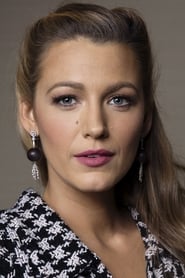
Blake Lively delivers a layered performance as Lily. Her portrayal of a woman torn between love and self-preservation shines in moments of vulnerability. In one scene, her slight quiver in her voice when confronting Ryle reveals a depth of fear and strength, perfectly encapsulating her character's journey. However, I thought some moments could have benefitted from a bit more subtlety in her emotional shifts.
Justin Baldoni, who plays Ryle, manages to convey both charm and menace effectively. He nails the disarming smiles that transition into anger, especially during an intense dinner scene where he lashes out verbally. However, there were instances where his character's motivations felt underexplored, leaving the audience questioning his complexity.
Jenny Slate as Lily's friend has a lighter presence, injecting humor into darker moments. During a coffee shop scene, her playful banter contrasts sharply with Lily’s struggles, providing a much-needed relief. Still, I felt her character could have been developed further, as she sometimes comes off as a mere side character in a poignant film that could use more balance in its ensemble.
Character Psychology
On the surface, Lily wants love and stability, a dream she thought she found in Ryle. However, what she truly needs is self-reliance and the strength to break free from an unhealthy relationship. Throughout the film, she grapples with her past and her choices, learning to prioritize her well-being.
Ultimately, Lily's journey is one of painful self-discovery. By the film's conclusion, she becomes more self-aware and assertive, but it’s a long road filled with difficult decisions. You can see her evolution, but it’s unclear if she fully understands the implications of her journey until the very end.
Themes & Emotional Depth
It Ends with Us tackles the complexity of love intertwined with toxic relationships. Through Lily's interactions with both Ryle and Atlas, the film explores how past traumas can affect one's ability to forge healthy connections. For instance, when Lily reflects on her childhood experiences with her father, it sheds light on why she finds herself drawn to Ryle despite his flaws.
Another underlying theme is the struggle for independence. The moment when Lily decides to stand up for herself against Ryle illustrates a powerful journey of empowerment that many viewers will resonate with. It’s a reminder that love shouldn't come at the cost of self-worth, a message that resonates deeply in today's context.
Memorable Scenes & Dialogue
One standout scene occurs during a dinner party where Ryle's charm dissipates, revealing his volatile nature as he reacts harshly to a minor mishap. The tension in the room is palpable, expertly crafted through staging and Lively's reaction shots, making viewers feel Lily's dread.
Another impactful moment is when Lily revisits a childhood location and confronts memories of her father. This scene, combined with the score, adds emotional weight, effectively grounding her motivations and fears in her character's backstory. It serves as a poignant reminder of how our past shapes our present choices, contributing to the film's emotional core.
The Ending — Does It Deliver?
The climax is both intense and unexpected, as Lily reaches a tipping point with Ryle. The emotional stakes are high, and it feels earned through her journey. The way she confronts him is both heartbreaking and liberating, showcasing her growth. Personally, I was taken aback by her choice to leave, which felt like a powerful statement against the cycle of abuse.
In the final shot, we see Lily seated alone in her flower shop, the blooms surrounding her representing new beginnings. This moment left me with a sense of hope, even amid the chaos, suggesting that while love can be complex, self-acceptance and strength can lead to better paths.
What Works
What works particularly well is the emotional nuance that Blake Lively brings to Lily's character. In the aforementioned dinner scene, her fear is palpable, and that tension becomes a focal point for the film. The cinematography also deserves praise for its ability to visually represent Lily's internal struggles. The contrast between bright colors in her shop and the dark undertones in her relationship gives viewers a clearer understanding of her duality, making these moments stick with you.
Honest Criticism
However, the Atlas character feels underdeveloped, often serving more as a plot device than as a full character. While I appreciate his role in Lily's emotional journey, the lack of backstory leaves audiences wanting more depth. Additionally, some pacing issues in the second act can make significant moments feel drawn out, which might detract from the urgency of her choices. This slight imbalance takes away from the overall flow of the narrative.
How It Compares
The film can be compared to 'The Notebook' and 'Blue Valentine,' as they also explore love's complexities and the consequences of toxic relationships. However, It Ends with Us takes a more modern approach, incorporating themes of self-empowerment that resonate with today's audiences. Unlike 'The Notebook,' which idealizes romance, this film is much darker and more grounded in reality, showcasing the struggle against emotional abuse.
In contrast, It Ends with Us sometimes lacks the emotional punch of 'Blue Valentine,' which deeply examines the deterioration of love. While Baldoni's film is impactful, it doesn't quite reach the same emotional depth that viewers might expect from comparable works.
Legacy & Cultural Impact
Though still recent, It Ends with Us sparked conversations about the nature of love and resilience in face of adversity. While it hasn’t made a significant mark on the awards circuit yet, its relatable themes resonate with many viewers, especially in discussions of domestic abuse and self-worth. The emotionally charged narratives may influence future romantic dramas seeking to tackle similar topics, pushing for more authenticity in storytelling.
Box office figures indicate a fair reception, suggesting an audience eager for stories that reflect real-life struggles rather than fairy tale romances. The film's success among young adults highlights the necessity for nuanced portrayals of relationships in cinema.
Behind the Scenes
Blake Lively and Justin Baldoni initially had a different co-star slated for the role of Ryle, but after creative discussions, they decided that Baldoni should take on the role himself. Additionally, some of the dialogue was improvised during key scenes, adding an unexpected authenticity to the interactions. The film's budget constraints led to the use of real flowers sourced from local shops, making the floral arrangements more meaningful in their representation of growth and beauty amidst struggle.
Who Should Watch It?
Fans of romantic dramas with a focus on emotional depth will likely connect with this film, especially those who appreciate stories of personal growth and empowerment. However, viewers looking for lighthearted romantic fare or straightforward love stories might find this film too heavy or disheartening for their tastes.
Final Verdict
It Ends with Us offers a compelling narrative about love and resilience, anchored by strong performances and striking visual storytelling. Despite some pacing issues and underdeveloped characters, the film captures the complexity of relationships in a way that feels timely and significant. If you're seeking a film that challenges typical romantic tropes, this one is worth watching.
More details, ratings, and cast information on IMDb, TMDB, Wikipedia. YouTube