- 1Movie Overview
- 2Direction & Cinematography
- 3Cast & Performances
- 4Character Psychology
- 5Themes & Emotional Depth
- 6Memorable Scenes & Dialogue
- 7The Ending — Does It Deliver?
- 8What Works
- 9Honest Criticism
- 10How It Compares
- 11Legacy & Cultural Impact
- 12Behind the Scenes
- 13Who Should Watch It?
- 14Final Verdict
- Genre: Drama
- Director: Greg Kwedar
- Year: 2024
- Runtime: 1h 47m
- Language: English (EN)
- TMDB Rating: ⭐ 7.4/10
Movie Overview
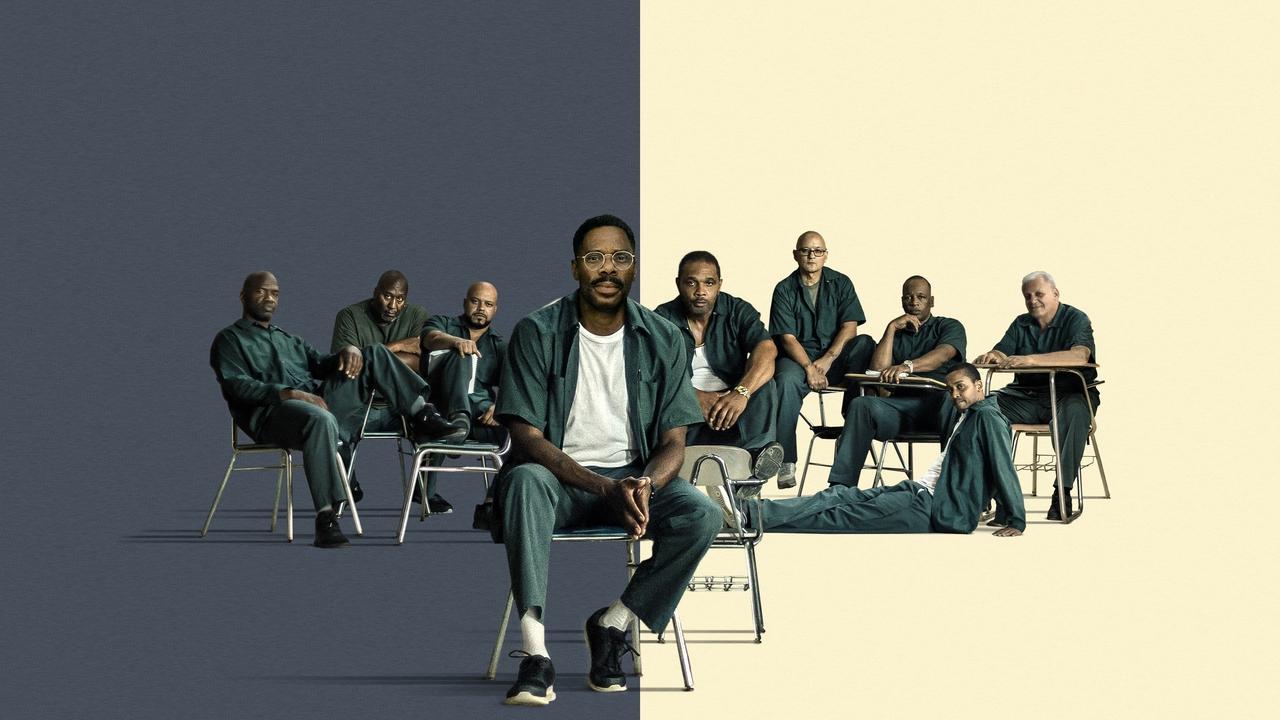
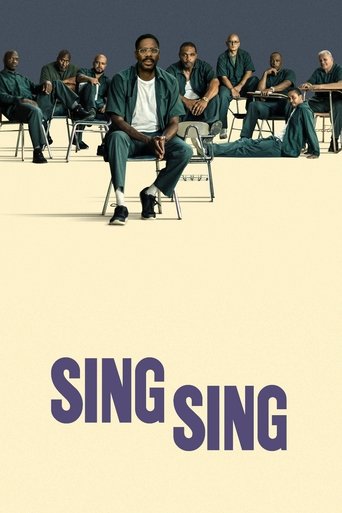
In the heart of Sing Sing prison, Divine G, played by Colman Domingo, grapples with the weight of a wrongful conviction. He's surrounded by men who have made mistakes, yet they find solace in an unlikely place: a theatre group. This vibrant ensemble, which includes Clarence Maclin and Paul Raci, becomes a lifeline, igniting sparks of creativity amid despair. The emotional arc strikes a chord as they navigate their pasts while vying for redemption through their performances.
As the story unfolds, the challenges of incarceration blend with the transformative power of art. Each rehearsal reveals deeper vulnerabilities — pain, anger, and a yearning for connection. The tension mounts when the men face external judgments from both authorities and society, testing their resolve to pursue meaningful expression. The stakes become personal, and the narrative dives into what it means to reclaim identity in such a brutal environment.
There’s a pivotal moment when Divine delivers a monologue that encapsulates his pain and hope, drawing everyone’s attention. It’s a climactic scene, and the audience is reminded of the fragile balance between freedom and confinement. Yet, despite the film's heavy themes, it's laced with moments of humor and camaraderie that uplift the spirit.
By the time the credits roll, viewers are left contemplating the real cost of imprisonment and the resilience of the human spirit. What stays with me after the credits is the idea that even behind bars, creativity can flourish and provide a sense of purpose that isn't defined by one’s past mistakes.
Direction & Cinematography
Greg Kwedar expertly crafts a gritty yet poignant atmosphere that permeates Sing Sing. One standout shot occurs during a rehearsal scene, where the camera circles the actors, capturing each man's expression as they share their stories. This technique makes the audience feel their vulnerability and connection, effectively blurring the line between performer and spectator.
The pacing is intentional, allowing moments of tension to breathe while also propelling the plot forward. Kwedar balances heavy emotional beats with lighter, comedic interactions that don’t detract from the overall tone but rather enrich it. I noticed how these shifts kept me engaged, preventing the narrative from becoming monotonous.
But the film doesn't shy away from the harsh realities of prison life. The stark lighting and confined spaces enhance the claustrophobic feeling of their environment. Each frame serves as a reminder of the struggle within, making victories in their artistic pursuits all the more significant. The direction breathes life into the script, elevating the themes of redemption and identity through art.
Cast & Performances
Colman Domingo truly embodies Divine G's struggle and growth. His physicality shifts from slumped shoulders in despair to an uplifted stance while acting, showcasing how the theatre becomes a means of liberation. There’s a moment when he locks eyes with a fellow inmate during an intense scene, and the vulnerability is palpable. It’s a subtle choice that says more than words ever could.
Clarence Maclin delivers an emotionally charged performance as a hardened inmate whose walls begin to crumble. In one memorable scene, he breaks down during a monologue about his family, and the raw emotion in his voice pulls at the heartstrings. Yet, I’ll admit I didn’t expect him to occasionally lean too much into a stereotypical portrayal, which felt a bit overdone at times.
Paul Raci brings a wise presence as the theatre director, holding the group together. His calming energy contrasts sharply with the surrounding chaos, especially when he delivers guidance on crafting their performances. Raci's subtle reactions during group dynamics highlight his character's depth, though there were moments when I wished his backstory could have been explored further.
Character Psychology
Divine G wants to be seen beyond his wrongful conviction; he yearns for purpose and validation through his art. His journey reflects a compelling desire to reclaim control over his narrative. However, what he truly needs is to confront the emotional scars left by his past. He must learn that worth isn't defined by mistakes but by the courage to change.
By the film's conclusion, Divine achieves a greater understanding of himself. He begins to embrace his flaws and recognizes that art isn't just a means of escape; it's a pathway to healing. This self-awareness marks a significant change from where he started, though it’s clear that some parts of his past will remain a struggle.
Themes & Emotional Depth
At its core, Sing Sing grapples with the idea of redemption through self-expression. The theatre becomes a sanctuary where the characters confront their mistakes instead of hiding from them. One particular scene stands out: as the men rehearse a tragic play, they find parallels in their lives, allowing the audience to witness how art becomes a mirror to their souls.
The film also challenges societal perceptions of inmates. It underscores that identity isn’t solely based on past actions but can also be shaped by future choices. This theme resonates powerfully when Divine expresses his desire to be defined by his art, not his incarceration, ultimately questioning how society views those who have erred.
Memorable Scenes & Dialogue
One memorable moment occurs during the final performance, where Divine delivers a heart-wrenching soliloquy that leaves the audience in stunned silence. His delivery is so impactful, it feels as if he’s speaking not just to the audience in the theatre but also to his fellow inmates, capturing the collective struggle.
Another standout scene features a group discussion about their dreams after prison, with laughter mixed with somber realizations. The dynamic between light-heartedness and gravity showcases the writing's depth, allowing the audience to connect with the characters in a genuine way. It works because it’s both relatable and poignant, reminding us that hope exists even in despair.
Finally, the moment when the theatre group receives applause for their performance becomes cathartic. The joy on their faces is infectious, and the camera captures every reaction shot beautifully, emphasizing how far they've come as individuals and as a collective unit. This scene illustrates the positive impact of art in even the darkest places.
The Ending — Does It Deliver?
The climax unfolds during the performance where Divine reveals the truth of his wrongful conviction in a powerful speech that echoes his real-life struggles. The emotion feels earned, as his journey throughout the film has been one of gradual self-acceptance and healing. This moment surprised me; I expected a more typical ending, yet Kwedar chose a more introspective approach that resonated deeper.
By the final shot, where Divine stands alone on stage basking in the applause, I felt a mix of hope and sorrow. There's a bittersweet quality to his triumph — it signifies not just personal victory but also the awareness of the long road ahead. The ambiguity of his future evokes a lingering reflection on the complexity of redemption.
What Works
The writing is tightly woven, particularly in how it portrays the complexity of each character’s backstory. The dynamic between Divine and Clarence, as they navigate their past mistakes and aspirations, adds depth. Kwedar’s direction shines in the rehearsal scenes, where the blending of personal stories and performance elevates the narrative significantly. Domingo's final speech is particularly stunning, embodying the film's essence and showcasing the redemptive power of art.
Honest Criticism
However, the subplot involving the prison warden feels underdeveloped and ultimately unnecessary. This character seems to serve as a token antagonist, appearing only to create tension without adding substantial depth to the story. It bothered me slightly that a more nuanced exploration of his motivations was missing, as it could have enhanced the film's conflict and complexity.
How It Compares
Sing Sing shares thematic elements with films like The Shawshank Redemption and Dead Poets Society, where the power of art or friendship transforms lives. However, Sing Sing’s grounded approach adds layers of authenticity that elevate it beyond simple inspirational narratives. Unlike Shawshank, which often veers into fantasy, this film remains raw and unflinching.
Where it falls short compared to those classics is in pacing; certain segments feel drawn out, particularly during dialogue-heavy scenes that could have benefitted from tighter editing. Yet, Sing Sing's unique focus on the prison theatre experience sets it apart, offering a fresh perspective on the interplay between art and confinement.
Legacy & Cultural Impact
Sing Sing is poised to spark conversations surrounding art's role in incarceration, especially as the film highlights real-life programs that use theatre for rehabilitation. Early reviews note a powerful reception, and its exploration of resilience resonates in today’s climate. While it might not dominate award season like some of its predecessors, its cultural significance in dialogues about prison reform and mental health is undeniable.
The film may also inspire future projects that delve into similar themes, pushing the boundaries of storytelling within similar settings. It’s a reminder that stories from behind bars can resonate with audiences far beyond their walls.
Behind the Scenes
Colman Domingo was involved in script development and contributed to shaping Divine’s character, ensuring authenticity. The production faced budget constraints that affected set designs, leading to an innovative use of existing spaces within the real Sing Sing prison. Additionally, some scenes were developed through improvisation, capturing genuine reactions from the cast and enhancing the film's emotional depth.
Who Should Watch It?
Viewers who appreciate character-driven dramas and stories of resilience will find a lot to love in Sing Sing. Those who enjoy narratives that explore the transformative nature of art against the backdrop of personal struggles will be particularly engaged. On the other hand, those seeking fast-paced action or lighthearted entertainment should probably skip this one.
Final Verdict
I recommend Sing Sing for its compelling exploration of redemption and the power of storytelling. While it has pacing issues and an underdeveloped subplot, the performances, particularly Domingo's, make it a worthwhile watch. If you're curious about the intersection of creativity and confinement, this film offers a raw look at how art can mend broken spirits.
More details, ratings, and cast information on IMDb, TMDB, Wikipedia. YouTube