- 1Movie Overview
- 2Direction & Cinematography
- 3Cast & Performances
- 4Character Psychology
- 5Themes & Emotional Depth
- 6Memorable Scenes & Dialogue
- 7The Ending — Does It Deliver?
- 8What Works
- 9Honest Criticism
- 10How It Compares
- 11Legacy & Cultural Impact
- 12Behind the Scenes
- 13Who Should Watch It?
- 14Final Verdict
- Genre: Drama, Action, Fantasy
- Director: Carl Rinsch
- Year: 2013
- Runtime: 1h 59m
- Language: English (EN)
- TMDB Rating: ⭐ 6.2/10
Movie Overview
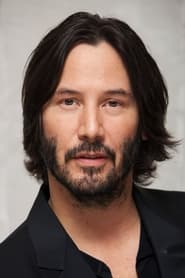
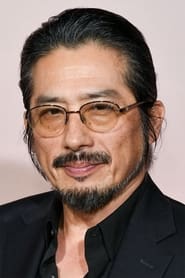
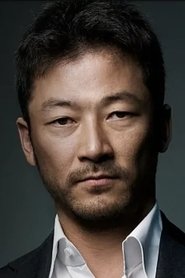
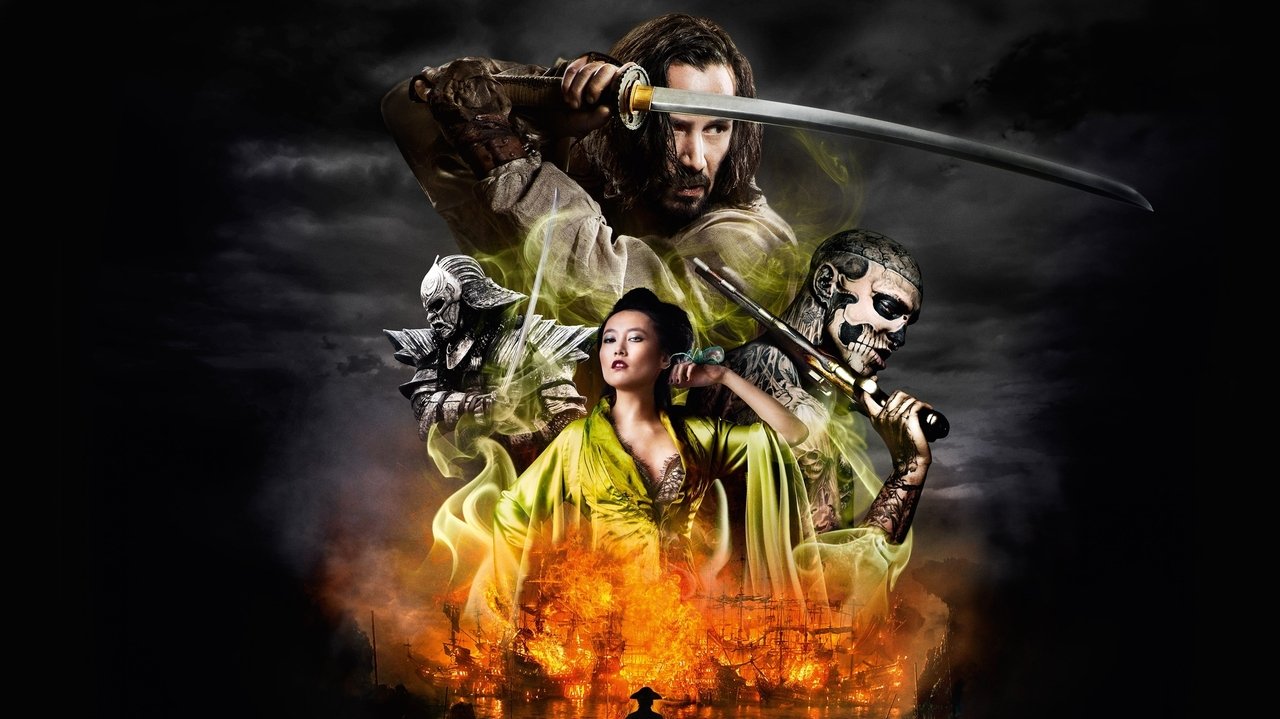
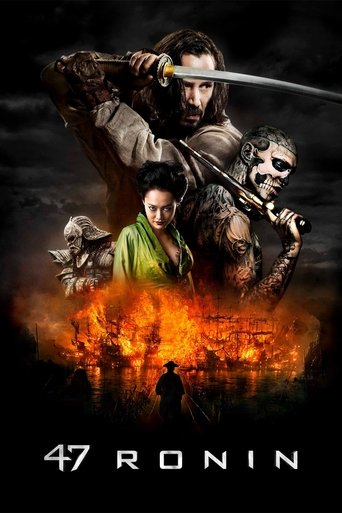
In 47 Ronin, we follow Kai (Keanu Reeves), a half-Japanese, half-British outcast who finds himself entangled in a quest for revenge alongside Oishi (Hiroyuki Sanada), the leader of a group of 47 disgraced samurai. After their master is killed by the treacherous overlord Kira (Tadanobu Asano), Oishi and Kai gather a ragtag team of warriors to restore honor to their fallen lord. The film blends fantasy elements with traditional samurai lore as the group faces supernatural trials and personal demons on their journey.
Initially, the setup feels familiar: an honor-bound quest filled with betrayal and sacrifice, reminiscent of classic samurai films. However, as the stakes rise, the emotional arc begins to wobble. I kept waiting for the film to delve deeper into the samurai's tragic history, and it never truly did, trading character development for flashy visuals.
The final act shifts gears significantly, introducing a climactic battle that, while visually striking, lacks the emotional weight that had been building up. There are moments where characters hint at deeper motivations — Kai's need for acceptance, Oishi's loyalty — but these are often overshadowed by the film's desire for spectacle over substance. What stayed with me after the credits was a sense of unfulfilled potential, as if the film was all build-up with little payoff.
Ultimately, the narrative's reliance on fantasy elements detracts from the grounded emotional core one might expect from a samurai epic. While there are exciting action sequences, they often feel disconnected from the characters’ journeys, leaving viewers wanting a more cohesive story.
Direction & Cinematography
Carl Rinsch's direction in 47 Ronin tries to grasp a balance between epic storytelling and fantasy spectacle. The cinematography is often stunning, particularly in scenes like the bamboo forest battle, where characters seem to dance with shadows. But there are moments where the pacing stumbles — the transitions between action and slower scenes can feel jarring, causing emotional beats to fall flat.
What struck me most was Rinsch's choice to incorporate mythic elements, such as the mystical creatures that inhabit the samurai's world. They add a layer of intrigue, yet, I’ll admit I didn’t expect them to overshadow the warriors' human conflicts. The tonal shifts from action to fantasy sometimes left me feeling confused about what the film intended to convey.
Instead of diving deeper into the psychological struggles of the characters, Rinsch leans heavily on visual flair. This choice feels both captivating and frustrating. While there's beauty in its execution, it often distracts from the core themes and character arcs, leaving viewers caught between awe and confusion.
Cast & Performances
Keanu Reeves delivers a performance that, while earnest, often relies on his brooding demeanor. Moments like his quiet contemplation during the training scenes resonate well, but I found myself wishing for more depth. He portrays Kai with a sense of vulnerability, but there were times when his stoicism seemed to slip into wooden territory.
Hiroyuki Sanada as Oishi offers a more dynamic portrayal. His physical choices elevate pivotal moments, particularly in the emotional scene where he rallies the other samurai after their disgrace. However, some of his interactions with Kai feel underwritten, leaving me wanting more chemistry and development between the two leads.
Tadanobu Asano's Kira is a mixed bag. He embodies a menacing presence, particularly in the scenes where he confronts the samurai. But his character is largely one-dimensional, illustrated through broad strokes of villainy, which might disappoint viewers who prefer nuanced antagonists. His delivery lacks the gravitas needed to feel as threatening as the film intends.
Character Psychology
On the surface, Kai seeks acceptance among the samurai and a chance to prove his worth. Deep down, he longs for family and belonging, driven by his outcast status. Throughout the film, he grapples with feelings of inadequacy, which resonate in his efforts to gain Oishi’s trust.
However, Kai's journey feels incomplete. There are moments of self-reflection, but he doesn’t undergo a significant transformation. He starts as an outsider and ends more or less in the same place. This lack of growth left me disappointed — it felt like a missed opportunity to explore a richer narrative.
Themes & Emotional Depth
At its heart, 47 Ronin reflects on the concepts of honor and loyalty, prominently showcased in Oishi's unwavering commitment to avenging his master. His leadership becomes a vessel for exploring what it means to be samurai in a world that often dishonors their code. For Oishi, vengeance is not merely about retribution; it’s about restoring the lost honor of his clan.
Moreover, the film touches on the theme of belonging, especially through Kai's character. His struggle to find a place within the samurai ranks points to a universal yearning for acceptance. Yet, this exploration feels surface-level, failing to fully capitalize on the emotional depth it could have achieved.
Memorable Scenes & Dialogue
One standout moment occurs when Oishi gathers the other samurai in a secluded temple, pledging to avenge their master. The camera lingers on each face, capturing their resolve, which highlights the camaraderie built over years of loyalty. This scene works due to the strong performances, particularly Sanada’s passionate delivery, and the intimate staging that draws viewers into their shared commitment.
Another memorable scene is the bamboo forest battle. The choreography and visual effects are particularly striking as the samurai face off against mystical creatures. The use of slow motion enhances the impact of each movement, giving it a dreamlike quality. It works because it marries action with fantasy, though it also highlights the film's struggle between grounded character work and spectacle.
The Ending — Does It Deliver?
The film's climax builds towards a visually engaging battle against Kira’s forces, but the emotional stakes feel lacking. While the action sequences are enjoyable, I found that the culmination felt more like a spectacle than a conclusion arising from the characters' journeys. The last shot, featuring Kai looking out onto the sea, left me contemplative but not satisfied. It seemed more about setting up the next visual rather than delivering a definitive emotional note.
Overall, the climax fails to tie together the various threads established throughout the film. The lack of a powerful resolution left me feeling as if I was missing the emotional payoff I had hoped for, reinforcing the sense that the film was more interested in its visuals than in deep character arcs.
What Works
The cinematography in 47 Ronin is quite impressive, especially in the scenes like the bamboo forest battle, where visual flair and choreography combine to create an engaging spectacle. The performances, particularly Hiroyuki Sanada’s as Oishi, shine through in critical scenes that require emotional gravity. I also appreciated the film's ambition in merging traditional samurai lore with fantasy elements, which, while occasionally misguided, adds an interesting layer to the narrative.
Honest Criticism
However, the character development feels severely lacking, particularly with Kai’s journey that leaves him without a substantial arc. The reliance on fantasy elements detracts from the emotional stakes, leading to a climax that feels disconnected from the character's struggles. Additionally, some subplots, especially those involving Kira’s motivations, fall flat and miss opportunities for deeper exploration.
How It Compares
47 Ronin shares thematic similarities with films like Last Samurai and 13 Assassins, both of which explore honor and vengeance within a samurai context. However, Last Samurai presents a more nuanced examination of cultural clash, while 47 Ronin leans heavily on fantasy elements that take away from its core message. Conversely, 13 Assassins packs a more thrilling punch and a clearer narrative arc, leaving 47 Ronin feeling less impactful in comparison.
Where 47 Ronin does succeed, however, is in its ambitious blending of fantasy with traditional samurai storytelling. But this ambition is a double-edged sword — it ultimately detracts from the emotional engagement we expect from such narratives, making it more of a visual feast than a heartfelt saga.
Legacy & Cultural Impact
While 47 Ronin didn't make a significant impact at the box office, earning around $151 million against its $175 million budget, it sparked conversations about the blending of Western and Eastern cinematic styles. Directed by Carl Rinsch, this film represents an attempt to break into the fantasy genre with samurai lore, though it failed to resonate with audiences as hoped. Thus, while it aimed to establish a new direction for samurai films, it mostly serves as an example of ambition without execution.
Critically, it received mixed reviews, with some praising its visuals while others condemned its lack of depth. It has since become a reference point for discussions on how not to blend fantasy elements with traditional narratives effectively.
Behind the Scenes
Keanu Reeves was cast not only for his popularity but also for his martial arts background, which he honed while preparing for films like The Matrix. The film faced significant budget constraints, which limited the amount of practical effects that could be used, leading to a heavy reliance on CGI. Initially, the character of Kai was supposed to be a supporting role, but it was expanded to make Reeves the lead as the production progressed.
Who Should Watch It?
Fans of Keanu Reeves or those who enjoy visually striking fantasy films may find something to appreciate here. However, viewers looking for a thoughtful exploration of samurai culture or character-driven narratives might want to sit this one out. This film is best suited for those willing to overlook its flaws for the sake of spectacle.
Final Verdict
47 Ronin is a visually ambitious film that struggles with its narrative coherence and character development. Despite its stunning visuals and some strong performances, it ultimately feels like a missed opportunity to delve deeper into its fascinating source material. If you're looking for eye candy with a hint of action, it's worth a watch, but don’t expect a deep emotional journey.
More details, ratings, and cast information on IMDb, TMDB, Wikipedia. YouTube