- 1Movie Overview
- 2Direction & Cinematography
- 3Cast & Performances
- 4Character Psychology
- 5Themes & Emotional Depth
- 6Memorable Scenes & Dialogue
- 7The Ending — Does It Deliver?
- 8What Works
- 9Honest Criticism
- 10How It Compares
- 11Legacy & Cultural Impact
- 12Behind the Scenes
- 13Who Should Watch It?
- 14Final Verdict
- Genre: Comedy, Crime, Mystery
- Director: Rian Johnson
- Year: 2022
- Runtime: 2h 20m
- Language: English (EN)
- TMDB Rating: ⭐ 7.0/10
Movie Overview
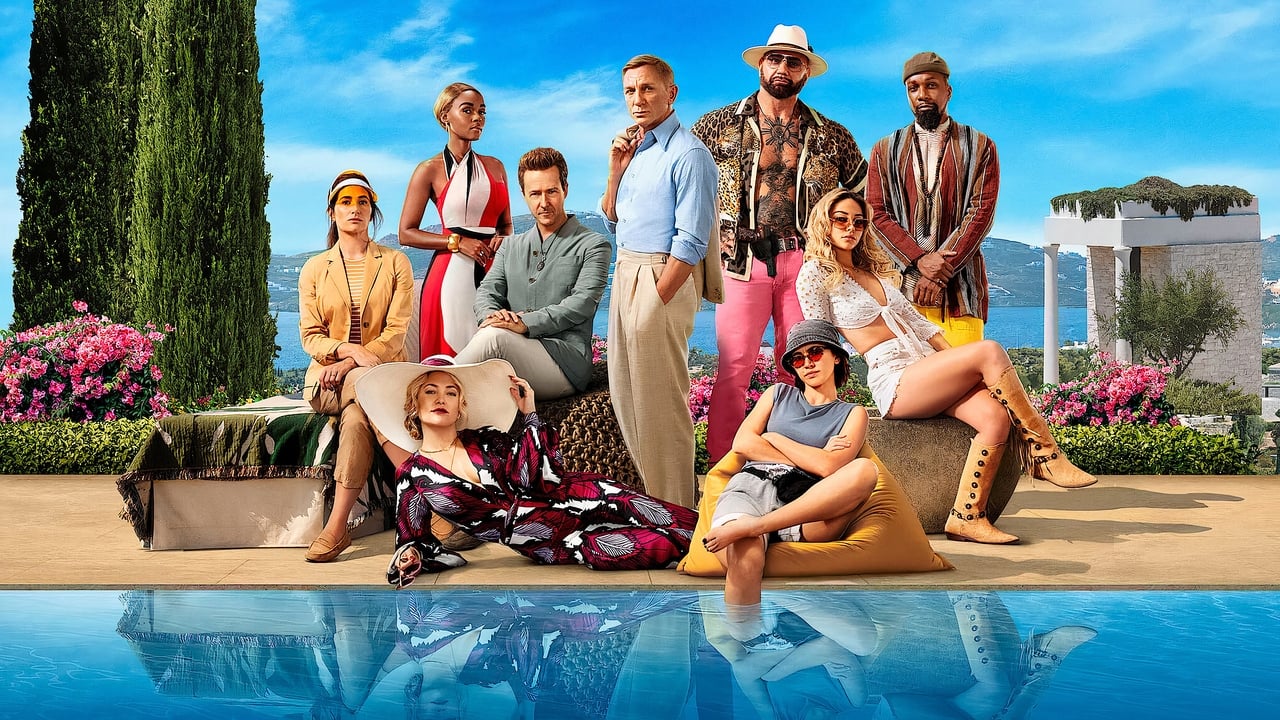
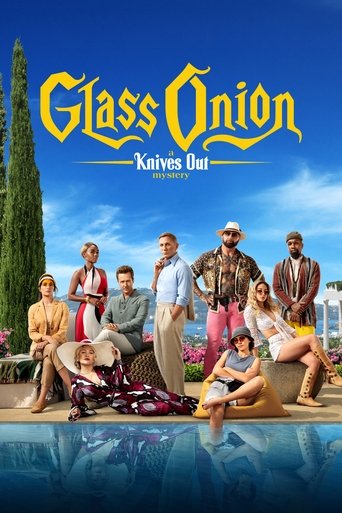
Glass Onion: A Knives Out Mystery begins not with a crime, but with a puzzle box. Tech billionaire Miles Bron (Edward Norton) sends an elaborate invitation to his inner circle of dependent friends—the “disruptors”—for a murder mystery weekend on his private Greek island. The guest list includes a right-wing streamer, Duke Cody (Dave Bautista); a cancelled fashionista, Birdie Jay (Kate Hudson); a scientist, Lionel Toussaint (Leslie Odom Jr.); and a politician, Claire Debella (Kathryn Hahn). But two unexpected guests appear: world-famous detective Benoit Blanc (Daniel Craig) and Andi Brand (Janelle Monáe), Miles's estranged former business partner.
Once they arrive at Miles's absurdly lavish compound, the game is set: someone will “murder” Miles, and the guests must solve it. But before the LARP can even properly begin, a real death throws the entire island into lockdown. Suddenly, everyone is a suspect, and Blanc realizes he's not there to solve a fake murder, but a conspiracy with roots that go much deeper than a weekend getaway.
The conflict isn't just about finding a killer. It's about the toxic history binding this group to Miles, a man whose success seems to be built on the ideas and silence of others. Andi's presence, in particular, acts as a lit match in a room filled with gasoline.
And then, halfway through, the film completely changes shape. We learn the real reason Blanc is there, and it re-frames everything we've just seen.
Direction & Cinematography
Rian Johnson directs Glass Onion with the slick confidence of someone who knows he has a hit on his hands. Where Knives Out was all autumnal browns and cozy knitwear, this is pure solar-flare brightness and opulent, garish wealth. The camera glides through Miles Bron’s glass atrium, showing off the ludicrous art and architecture, making the audience complicit in gawking at the excess. The tone is far more comedic and satirical than the first film, leaning into the absurdity of its characters from frame one.
But the big directorial choice is the structure. The film plays out once, then stops cold and rewinds to reveal a massive secret, playing many of the same scenes again from a different character's point of view. It’s an ambitious swing. What stayed with me after the credits, though, was the feeling that this move, while clever on paper, completely stalls the film's momentum. The first half builds a nice head of steam, only to have the emergency brake pulled for a lengthy exposition sequence.
Personally, I think the film is less interested in being a whodunnit and more interested in being a playground for Johnson to try out structural tricks. It mostly works, but you feel the effort.
Cast & Performances
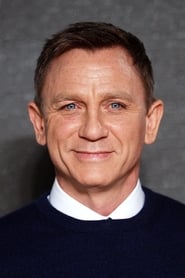
The cast of Glass Onion is clearly having a wonderful time, and it’s mostly infectious. Daniel Craig’s Benoit Blanc has become even more of a caricature; the Foghorn Leghorn accent is thicker, his outfits louder. He spends much of the film’s first half as a background observer, looking vaguely bored by the antics of the rich idiots around him. Craig plays him less as a detective on a case and more as a man trapped at a truly awful party, which is a very funny choice.
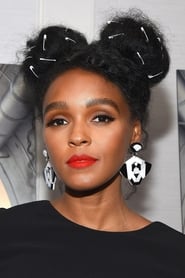
But the film belongs to Janelle Monáe. She has the most difficult job, playing a character with layers that are peeled back as the mystery unfolds. What surprised me most was her ability to shift her entire physical presence halfway through the movie. She moves from a posture of cold, simmering anger to one of nervous, fidgety energy, and both are completely convincing. Without her performance anchoring the convoluted plot, the whole thing would fall apart.
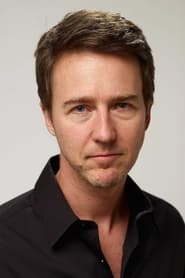
Edward Norton, meanwhile, is perfectly cast as Miles Bron. He nails the particular emptiness of a tech guru who mistakes his own wealth for genius, delivering lines from popular quotes he clearly doesn't understand. I kept waiting for a moment that would reveal a hidden cunning, but it never came—Norton commits fully to playing a man who is exactly as shallow as he appears.
Character Psychology
The film’s psychological core isn't Benoit Blanc, who remains a brilliant but emotionally distant observer. It's Helen Brand, Andi's twin sister, who hires Blanc and impersonates her dead sibling to find the killer. Helen's stated want is simple: justice for her sister.
But what she truly needs is to break free from her own sense of powerlessness and find the courage her sister always had. She spends most of the film terrified, hiding behind Blanc and the persona of Andi. She gets what she needs in the end, not by solving a puzzle, but by committing an act of pure, cathartic destruction.
Themes & Emotional Depth
At its center, this is a film about the vacuous nature of influence and the modern lie that wealth equates to intelligence. Miles Bron isn't a secret genius; he’s an idiot who bought his way into a position of power, and his friends are all complicit because they are financially dependent on him. The 'Glass Onion' itself is the perfect metaphor, which the screenplay points out with all the subtlety of a sledgehammer: it looks complex and multi-layered, but it’s actually completely transparent.
It’s also about speaking truth to power, even when power seems to have stacked the deck so completely that the truth doesn't matter. The climax isn't about a clever legal victory or a shocking confession brought to light. It's about finding a different kind of truth—a blunt, physical one—when the system fails. What happens when you can't outsmart the powerful? You break their toys.
Memorable Scenes & Dialogue
1. The puzzle box sequence. The film opens by cross-cutting between the 'disruptors' as they receive and solve Miles's elaborate wooden puzzle boxes. It’s an incredibly efficient way to introduce each character's personality: Birdie needs help, Duke smashes it, Claire is pragmatic. It establishes their dynamic with Miles before they even share a scene.
2. The poolside confrontation. This moment really stands out. Duke Cody realizes he has leverage over Miles and subtly threatens him by showing him something on his phone. The entire scene is staged in wide shot, with the other characters blissfully unaware in the background. The tension comes purely from Dave Bautista’s quiet menace and Edward Norton’s panicked face. That moment didn't land for me on first watch, but on rewatch, I noticed how much it sets up for the chaos to come.
3. Helen's 'disruption'. I won't spoil the specifics, but the final act sees Janelle Monáe's character finally snap. She goes on a rampage through the main atrium, methodically destroying Miles's glass sculptures. It's staged not as a frantic outburst but as a deliberate, theatrical act of rebellion. It's the emotional catharsis the whole movie was building toward.
The Ending — Does It Deliver?
The ending is less of a classic mystery reveal and more of a chaotic, fiery reckoning. Was it earned? Absolutely. After two hours of watching a group of sycophants protect a dangerous fool, the only satisfying conclusion is to see his entire world come crashing down. I'll admit I didn't expect the destruction to be so literal, and the film is better for it.
It leaves you not with the intellectual satisfaction of a solved puzzle, but with the visceral release of a pressure valve. The final shot is one of exhausted, messy victory. It argues that sometimes, to beat a corrupt system, you have to be willing to smash it to pieces. It’s a loud, unsubtle ending for a loud, unsubtle film.
What Works
Janelle Monáe delivers a fantastic central performance, skillfully navigating a role that is essentially two characters in one. The film's production design is also a star, with the Glass Onion atrium serving as a perfect monument to the hollow extravagance the film is skewering. Edward Norton's portrayal of Miles Bron as a profoundly unintelligent man is a comedic highlight, avoiding any temptation to give the character unearned depth.
Honest Criticism
The film’s biggest flaw is its flashback structure. While a clever idea, it brings the narrative to a screeching halt midway through, forcing the audience to re-watch scenes while a character explains what was *really* going on. It drains much of the tension. It also bothered me slightly that the supporting cast, unlike in the first film, are mostly one-note caricatures who rarely get a chance to feel like real people.
How It Compares
The most obvious comparison is, of course, Rian Johnson’s own *Knives Out* (2019). Where the original was a tightly constructed, character-driven mystery in a classic setting, *Glass Onion* is a sprawling, sun-drenched satire. It's funnier and more visually spectacular, but personally, I think it sacrifices the original’s emotional core and airtight plotting for grander, messier social commentary.
It also owes a huge debt to Herbert Ross’s *The Last of Sheila* (1973), another film about a group of awful, wealthy people playing a mystery game on a rich man's yacht that goes horribly wrong. *Glass Onion* is far slicker and more populist, but *The Last of Sheila* is colder, more cynical, and its bite is significantly sharper.
Legacy & Cultural Impact
As the first of two sequels sold to Netflix for a reported $469 million, *Glass Onion*'s primary legacy was cementing the *Knives Out* universe as a major streaming franchise. It became Netflix's third most-watched film within 10 days of its release. While it received an Oscar nomination for Best Adapted Screenplay, its main impact was cultural. Released in late 2022, it tapped directly into the public discourse surrounding tech billionaires, becoming a widely shared parody of figures like Elon Musk. The film didn't create the “eat the rich” trend, but it certainly rode that wave to massive popular success.
Behind the Scenes
- The film features the final screen appearances of two legends: musical theater composer Stephen Sondheim and actress Angela Lansbury, who appear posthumously as themselves playing *Among Us* with Blanc on a Zoom call.
- The title comes from the 1968 Beatles song of the same name. John Lennon wrote the song to deliberately confuse fans who were reading too deeply into his lyrics, which fits the film's theme of looking for complexity where there is none.
- The massive glass artworks destroyed in the climax were real, bespoke pieces made of sugar glass, meaning the actors had only one take to get the smashing right.
Who Should Watch It?
This is a perfect Friday night movie for anyone who enjoyed the first *Knives Out* and wants a lighter, funnier, and more bombastic follow-up. Viewers looking for a serious, intricate whodunnit in the vein of classic Agatha Christie might be disappointed by the focus on satire over mystery.
Final Verdict
A worthy sequel that trades the original's tight plotting for broader comedy and sharp social satire. It’s a blast to watch, even if its central structural gimmick feels a bit too clever for its own good. The film knows its targets are easy, but it hits them with such style and energy that it's hard to complain. I'm rating it an 8.2 almost entirely on the strength of Janelle Monáe's performance and the sheer catharsis of its chaotic finale. Watch it to see a group of terrible people get exactly what they deserve.
More details, ratings, and cast information on IMDb, TMDB, Wikipedia. YouTube