- 1Movie Overview
- 2Direction & Cinematography
- 3Cast & Performances
- 4Character Psychology
- 5Themes & Emotional Depth
- 6Memorable Scenes & Dialogue
- 7The Ending — Does It Deliver?
- 8What Works
- 9Honest Criticism
- 10How It Compares
- 11Legacy & Cultural Impact
- 12Behind the Scenes
- 13Who Should Watch It?
- 14Final Verdict

- Genre: Drama
- Director: Jim Sheridan
- Year: 2003
- Runtime: 1h 45m
- Language: English (EN)
- TMDB Rating: ⭐ 7.2/10
Movie Overview
Johnny, Sarah, and their two daughters, Christy and Ariel, arrive in New York City from Ireland with little more than their suitcases and a broken camcorder. They settle into a run-down apartment in Hell's Kitchen, where the heat barely works and the neighbors are strange. The family is still grieving the death of Frankie, their youngest son, though Johnny and Sarah try to shield the girls from their pain. Christy, the older sister, captures their new life on camera, narrating their struggles with a mix of innocence and wisdom. Their lives intersect with Mateo, a reclusive artist living downstairs who becomes an unexpected source of connection and healing. As the family navigates poverty, loss, and the challenges of starting over, they slowly begin to find moments of joy and hope in their fractured lives.
Direction & Cinematography
Jim Sheridan, who co-wrote the screenplay based on his own experiences, directs 'In America' with a mix of intimacy and rawness. The cramped apartment feels alive, with its peeling walls and cluttered spaces becoming a character in itself. That first shot of the family entering the apartment building — the camera lingering on their tired faces — sets the tone for the film's quiet realism. But Sheridan isn't afraid to lean into moments of magic, like the scene where the girls make a wish on a carnival Ferris wheel. What struck me most was how he balances the heaviness of grief with small, tender moments — like Johnny dancing with his daughters in the kitchen. The pacing isn't always even, especially in the second act, but the emotional beats land when they need to.
Cast & Performances
Samantha Morton, as Sarah, carries the film with a quiet strength. Her scene in the hospital bed after giving birth is heartbreaking — she doesn't say much, but her eyes tell you everything. Paddy Considine's Johnny is a man trying to hold it together, and he nails the anger and vulnerability of someone who feels like he's failing his family. The kids, Sarah Bolger and Emma Bolger (real-life sisters), are a revelation. Christy's monologue to the camera about Frankie is one of the film's most affecting moments. Djimon Hounsou's Mateo, though, feels a bit underdeveloped. His outbursts are powerful, but I kept waiting for more insight into his character.
Character Psychology
Johnny wants to provide for his family and prove he can start over in America. But what he really needs is to confront his grief over Frankie's death — something he avoids by throwing himself into work and distractions. Sarah, on the other hand, is more self-aware. She carries the weight of their loss openly, even when it pains her. Christy, the eldest daughter, acts as the family's emotional barometer. She's the one who voices their collective pain, even if she doesn't fully understand it. By the end, Johnny begins to accept his grief, but it's a slow, messy process.
Themes & Emotional Depth
At its core, 'In America' is about survival — not just financial, but emotional. The film explores how grief can fracture a family, but also how love can piece it back together. One scene that encapsulates this is when the family sings 'Desperado' together. It's a moment of connection that feels earned, even as they're still broken. The film also touches on the immigrant experience — the hope and disillusionment of starting over in a new country. But it's ultimately a story about finding light in the darkest places.
Memorable Scenes & Dialogue
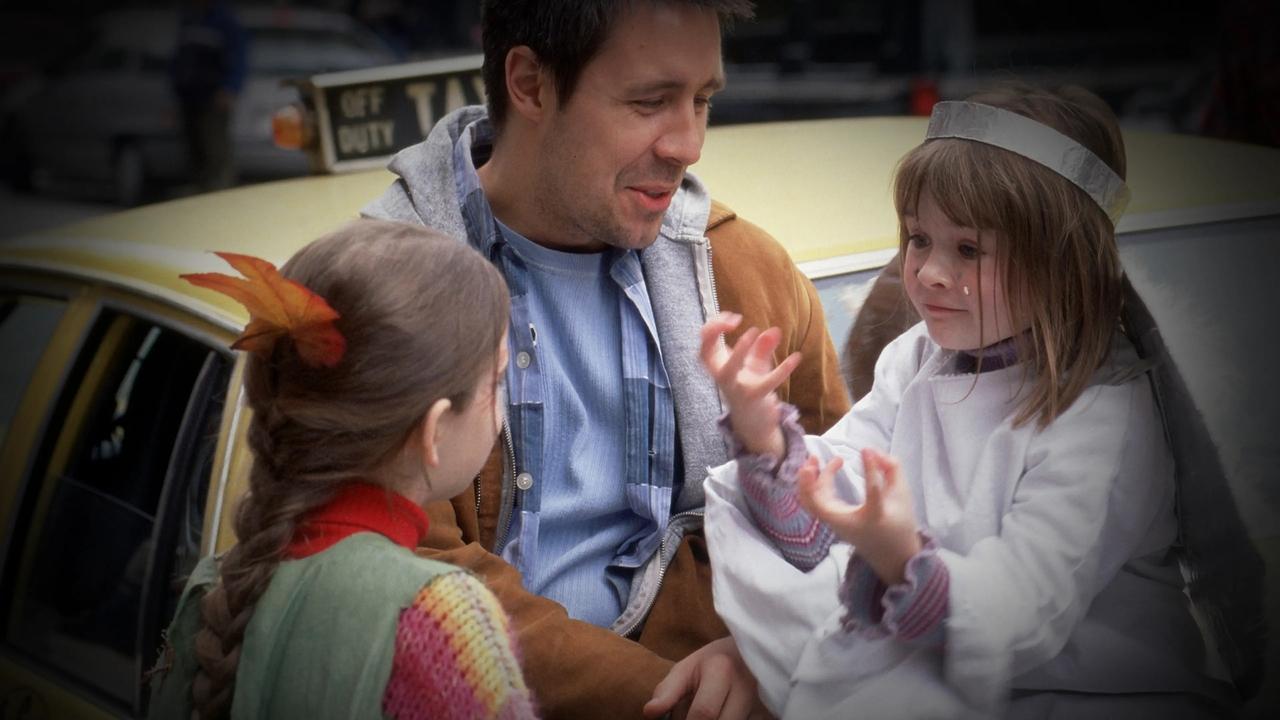
The Ferris wheel scene is unforgettable. Christy and Ariel make wishes for themselves and their family, and the camera lingers on their faces as the wheel turns. It's a moment of pure childhood innocence, tinged with the weight of their loss. Another standout is the 'Desperado' scene. The family sings together in their apartment, their voices shaky but full of emotion. It works because it feels spontaneous and unpolished — a rare moment of joy in their fractured lives. Mateo's outburst at Johnny is another powerful moment. Hounsou's delivery is raw and unhinged, shaking Johnny out of his numbness.
The Ending — Does It Deliver?
The ending feels earned, if a bit rushed. After a harrowing night at the hospital, the family returns to their apartment, changed but still together. The final shot of Christy looking into the camera — a callback to her earlier monologues — leaves you with a sense of cautious hope. It's not a tidy resolution, but it feels authentic to the story. Personally, I found the hospital sequence a bit too melodramatic, though it does push Johnny to confront his grief.
What Works
The performances are the film's strongest asset. Morton and Considine bring depth to their roles, and the Bolger sisters are natural and affecting. Sheridan's direction captures the grit and beauty of Hell's Kitchen, and the script balances humor and heartbreak well. The Ferris wheel scene is a standout moment of cinematic magic.
Honest Criticism
Mateo's character feels underdeveloped, and his outbursts sometimes come across as more theatrical than meaningful. The hospital sequence in the third act leans too heavily into melodrama, and it disrupts the film's otherwise grounded tone. Some scenes drag, particularly in the second act.
How It Compares
'In America' shares DNA with films like 'The Pursuit of Happyness' and 'The Florida Project' — stories about families surviving against the odds. It beats them in its emotional honesty, though some viewers might find it less accessible than those films. Compared to Jim Sheridan's own 'My Left Foot,' it feels more personal but less tightly crafted.
Legacy & Cultural Impact
'In America' received three Oscar nominations, including Best Actress for Morton and Best Original Screenplay. While it didn't win, it cemented Sheridan's reputation as a filmmaker who could balance personal stories with universal themes. The film has aged well, though it hasn't garnered the same cult following as some of Sheridan's other works.
Behind the Scenes
The Bolger sisters, who play Christy and Ariel, weren't professional actors before this film. Sheridan cast them after seeing them in a school play. The apartment scenes were filmed in an actual Hell's Kitchen building, adding to the film's authenticity. Sheridan initially struggled to secure funding for the film because of its personal nature.
Who Should Watch It?
Fans of intimate family dramas will find 'In America' deeply moving. Those who prefer faster-paced or plot-driven films might struggle with its slower moments.
Final Verdict
'In America' is a heartfelt, deeply personal film that explores grief and survival with honesty and tenderness. While it has its flaws, the performances and emotional sincerity make it worth watching. Whether you're drawn to immigrant stories or family dramas, this film offers a raw, affecting glimpse into resilience.
More details, ratings, and cast information on IMDb, TMDB, Wikipedia. YouTube