- 1Movie Overview
- 2Direction & Cinematography
- 3Cast & Performances
- 4Character Psychology
- 5Themes & Emotional Depth
- 6Memorable Scenes & Dialogue
- 7The Ending — Does It Deliver?
- 8What Works
- 9Honest Criticism
- 10How It Compares
- 11Legacy & Cultural Impact
- 12Behind the Scenes
- 13Who Should Watch It?
- 14Final Verdict

- Genre: Comedy, Drama
- Director: Jason Orley
- Year: 2020
- Runtime: 1h 31m
- Language: English (EN)
- TMDB Rating: ⭐ 7.2/10
Movie Overview
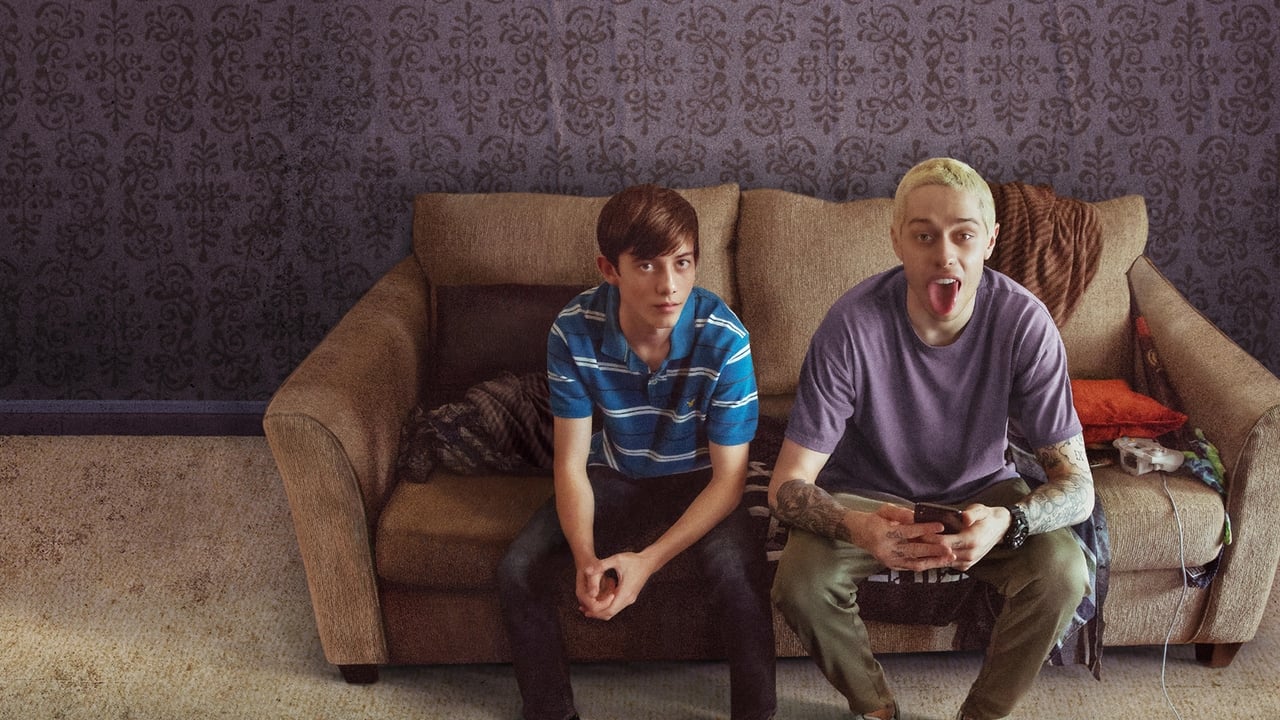
Mo is 16, awkward, and desperate to be cool. His golden ticket comes in the form of Zeke, his older sister’s ex-boyfriend — a 20-something college dropout who treats life like an extended party. At first, Zeke’s lessons seem harmless: how to shotgun a beer, what to say to girls, why school doesn’t matter. But the rules change when Zeke starts paying Mo to sell his weed at school.
What starts as a lark quickly becomes Mo’s identity. Director Jason Orley cleverly shows how Mo’s grades and friendships deteriorate in the background of scenes where he’s having ‘fun’ — his science partner giving up on him mid-lab, his dad finding vodka in a Gatorade bottle. The film’s sneaky trick is making you root for this terrible mentorship even as it ruins Mo’s life.
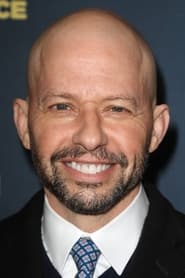
Jon Cryer plays Mo’s divorced dad with just the right mix of concern and cluelessness. His attempts to reconnect with Mo — like forcing him to attend a college fair — feel painfully real. But every time Mo gets close to self-awareness, Zeke pulls him back in with a ‘bro’ speech about living in the moment.
The film’s third act goes darker than you’d expect. There’s a late-night car ride where Zeke finally shows his hand, and it’s not pretty.
Direction & Cinematography
Jason Orley shoots this like a comedy that doesn’t realize it’s a tragedy. Early scenes have a sun-drenched, handheld looseness that matches Mo’s giddy descent into delinquency. But the camera gets claustrophobic as things fall apart — like the tight shot of Mo’s face when he realizes his first ‘business meeting’ is with an actual drug dealer.
What surprised me was how Orley uses silence. After a raucous house party scene, there’s a brutal morning-after where Mo sits alone in his ruined kitchen. No music, just the hum of the fridge and the crunch of him eating cereal straight from the box. It lasts just a beat too long, and that’s when you feel the hangover of his choices.
But the pacing stumbles when sidelining Sydney Sweeney’s character. Her scenes with Mo have real tenderness, then vanish for long stretches. I kept waiting for their subplot to matter more than it does.
Cast & Performances
Pete Davidson’s Zeke works because he’s not playing a villain. Watch how he delivers the line ‘Dude, you’re like my only friend’ — it’s funny until you realize he means it. His physical comedy (like attempting to parallel park while high) masks something sadder.
Griffin Gluck makes Mo’s transformation startlingly specific. Early on, he mimics Zeke’s slouch and slang awkwardly; later, he wears them naturally. His best moment comes when a girl calls him out for being ‘Zeke 2.0’ — the way his smile freezes tells you he knows she’s right.
Jon Cryer underplays beautifully as Mo’s dad. There’s a scene where he finds weed in Mo’s room and just sighs, like he’s too tired to be angry. Sydney Sweeney does what she can with limited material, though her character’s abrupt exit still bugs me.
Character Psychology
Mo wants Zeke’s approval more than anything. What he needs is to realize Zeke’s life is a dead end. The tragedy is that he figures it out too late — after he’s blown up his relationship with his dad, his grades, and the one girl who liked him for himself.
Zeke’s even worse off. He’s smart enough to know he’s failing, but too lazy to change. That scene where he brags about never reading a book? It’s not a punchline — it’s a confession.
Themes & Emotional Depth
This is really about how mentorship can be a form of exploitation. Zeke ‘teaches’ Mo just enough to keep him dependent — notice how he never shows him how to roll a joint, just how to sell them. The film’s sharpest insight is that toxic friendships often look like fun from the inside.
The other theme is performative masculinity. Mo thinks Zeke’s confidence comes from not caring, but really, Zeke cares desperately — about being liked, about seeming cool. Their final confrontation lays this bare in a way that stings.
Memorable Scenes & Dialogue
1) The ‘business meeting’ scene: Mo thinks he’s being initiated into Zeke’s cool world until the drug dealer hands him a gun ‘for protection.’ Gluck’s face goes from pride to terror in one unbroken take.
2) Zeke’s parking lesson: A hilarious bit of physical comedy where Davidson’s character tries to teach Mo to parallel park while obliterated. The way he keeps blaming the ‘shitty steering’ on Mo’s car kills me every time.
3) The college fair: Cryer’s hopeful smile as Mo pretends to be interested in brochures, unaware his son is high, is quietly devastating.
The Ending — Does It Deliver?
The ending surprised me by being messier than most coming-of-age films. Mo doesn’t get a clean break or a big speech — he just walks away, leaving Zeke yelling after him. It feels true to how these relationships actually end: not with drama, but with exhaustion.
What stayed with me was the final shot of Zeke alone in his apartment. For all his talk about living in the moment, he’s stuck in one. That’s the real lesson Mo learns — just not the one Zeke meant to teach.
What Works
Davidson and Gluck’s chemistry sells the central relationship. Their scenes in Zeke’s filthy apartment (complete with a perpetually broken fridge) feel lived-in. The script’s willingness to let Zeke be both funny and pathetic gives the film its edge. And that moment when Mo realizes he’s become Zeke’s errand boy? That’s the film’s best twist — no music, just the slow dawning of exploitation.
Honest Criticism
Sydney Sweeney’s character gets sidelined hard after a strong start. The subplot with Mo’s mom feels tacked on — she appears for one scene just to say ‘your dad’s right.’ And the third-act drug dealer confrontation leans too hard into thriller tropes the film hadn’t earned.
How It Compares
It’s like ‘Superbad’ if McLovin never grew up, or ‘The King of Staten Island’ with higher stakes. Davidson’s performance here is more nuanced than in ‘The King of Staten Island’ — Zeke’s charm feels dangerous, not just dopey. But it lacks the emotional gut-punch of something like ‘Mid90s,’ which handled similar themes with more visual poetry.
Legacy & Cultural Impact
The film made little splash at the box office (released right as COVID hit), but found an audience on Hulu. Critics were divided — some found it too slight, others praised its willingness to go dark. Davidson’s performance earned him comparisons to a young John Cusack, though the film itself won’t redefine the genre.
Behind the Scenes
- Davidson improvised most of Zeke’s monologues, including the bit about never reading a book. 2) The house party scene was shot in one take with real college extras — the crew just let them actually drink (watered-down) beer. 3) Griffin Gluck shadowed real high schoolers to nail Mo’s awkward body language.
Who Should Watch It?
If you’ve ever had a friend who was fun but bad for you, this will hit close to home. Skip it if you need likable characters or tidy endings — these people are messy by design.
Final Verdict
I’d give it a strong 7.5 — it’s smarter about male friendship than most comedies, even when the plot stumbles. Davidson proves he can do more than play himself, and Gluck makes Mo’s arc painfully relatable. Watch it for the scene where Zeke tries to parallel park high. That alone is worth the runtime.
More details, ratings, and cast information on IMDb, TMDB, Wikipedia. YouTube