- 1Movie Overview
- 2Direction & Cinematography
- 3Cast & Performances
- 4Character Psychology
- 5Themes & Emotional Depth
- 6Memorable Scenes & Dialogue
- 7The Ending — Does It Deliver?
- 8What Works
- 9Honest Criticism
- 10How It Compares
- 11Legacy & Cultural Impact
- 12Behind the Scenes
- 13Who Should Watch It?
- 14Final Verdict
- Genre: Comedy, Mystery, Crime
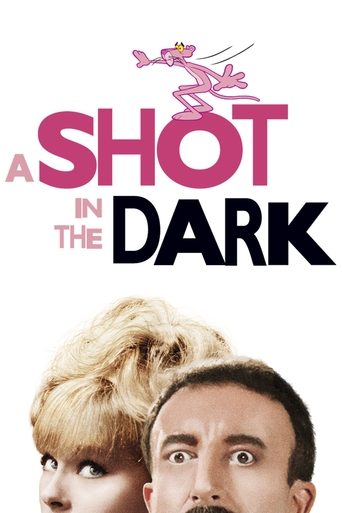
- Director: Blake Edwards
- Year: 1964
- Runtime: 1h 42m
- Language: English (EN)
- TMDB Rating: ⭐ 7.2/10
Movie Overview
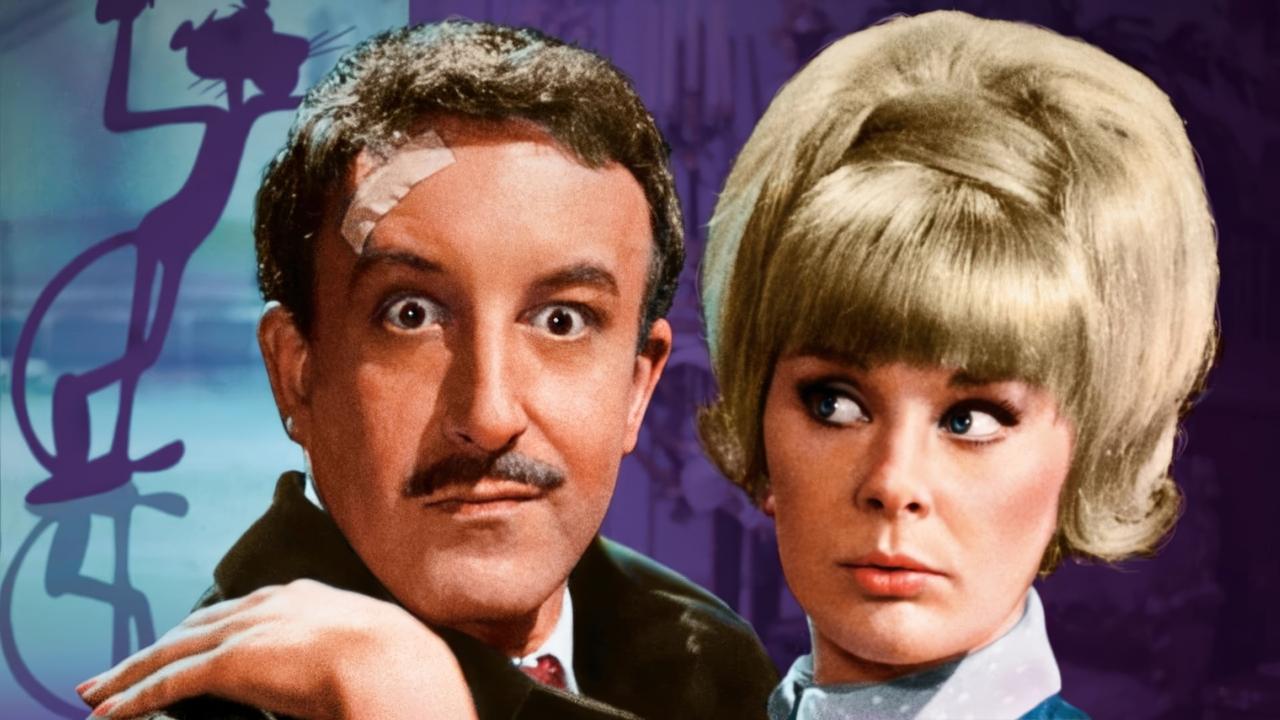
The film opens with a gunshot in a darkened mansion, and maid Maria Gambrelli (Elke Sommer) holding the smoking pistol over her employer's dead body. It should be an open-and-shut case—except Inspector Clouseau (Peter Sellers) is convinced of her innocence. What follows isn't so much an investigation as a demolition derby of French decorum, with Clouseau tripping over suspects, witnesses, and his own trench coat at every turn. The body count rises in direct proportion to his confidence.
Direction & Cinematography
Blake Edwards directs with the precision of a Swiss watchmaker—if the watch kept exploding in his face. The famous scene where Clouseau interrogates an entire ballroom of suspects while progressively destroying a harpsichord plays like Buster Keaton with a French accent. Edwards lets the camera linger just long enough for us to see the disaster coming, but never long enough to spoil the surprise. What struck me on rewatch is how Edwards uses wide shots for the physical comedy—you always see the whole domino chain of destruction. But he's smart enough to cut tight on Sellers' face during the rare moments of clarity, making them funnier than the chaos.
Cast & Performances
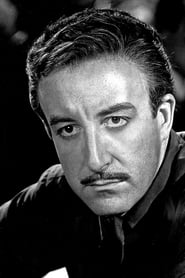
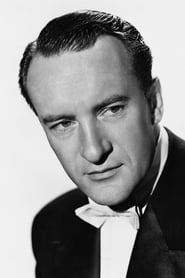
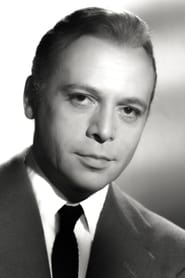
Peter Sellers' Clouseau is a masterpiece of controlled absurdity. Watch how he delivers the line 'I suspect everyone… and no one!' with complete conviction while his mustache twitches independently of his mouth. Elke Sommer plays Maria with just enough ambiguity—you're never quite sure if she's innocent or playing Clouseau. George Sanders as Benjamin Ballon seems visibly irritated that he's in a comedy, which somehow makes his straight-man reactions even funnier. Herbert Lom's Commissioner Dreyfus deserves special mention—his slow descent into twitchy madness every time Clouseau speaks is the film's secret weapon.
Character Psychology
Clouseau wants to solve the case professionally. What he needs is to stop falling down staircases. The joke—and the tragedy—is that he's not wrong about Maria's innocence, just catastrophically inept at proving it. His complete lack of self-awareness is what makes him heroic. By the end, he hasn't learned a thing. And that's exactly as it should be.
Themes & Emotional Depth
Beneath the slapstick, this is a film about the arrogance of authority. Every character assumes they're the smartest person in the room—especially the ones who clearly aren't. The best example comes when Clouseau confidently declares 'The butler did it!' to a room full of people who know the butler died in Act One. The film's real subject is how incompetence thrives in systems that reward confidence over competence.
Memorable Scenes & Dialogue
The harpsichord interrogation scene works because Edwards stages it like a musical number—each new suspect enters just as Clouseau destroys another piece of the instrument. The moment when Clouseau 'sneaks' into a garden party by somersaulting over a hedge (and directly into a fountain) lands because Sellers plays it with Olympic-level seriousness. And the recurring gag with Lom's Dreyfus developing an eye twitch pays off beautifully when he finally snaps in the third act.
The Ending — Does It Deliver?
The ending surprised me—not because of whodunit, but because of how little it matters. The mystery wraps up almost as an afterthought, which feels right for a film that's really about the journey. What stayed with me was the final shot of Clouseau walking away unscathed while literal wreckage piles up behind him. It's the perfect metaphor for the character.
What Works
Sellers and Lom's chemistry is perfection—every time Dreyfus reaches for his migraine pills, the film gets funnier. The physical comedy holds up shockingly well, especially the extended sequence where Clouseau tries (and fails) to enter a mansion unnoticed. Edwards' decision to play every moment straight, no matter how absurd, gives the humor an extra punch. And that harpsichord scene deserves its place in the comedy hall of fame.
Honest Criticism
The middle act drags slightly when the plot remembers it's supposed to be a mystery. Some of the 'ethnic' humor (like the Japanese houseguest bits) hasn't aged well. And while Sommer is charming, Maria remains more of a plot device than a character—you can see the script straining to keep her relevant between set pieces.
How It Compares
Compared to the later Pink Panther films, this one feels leaner—less reliant on catchphrases, more focused on situational comedy. It shares DNA with the Marx Brothers' romps, but where Groucho was always in control, Clouseau is chaos incarnate. The closest cousin might be Fawlty Towers, though Basil Fawlty at least knows he's failing.
Legacy & Cultural Impact
Though not officially part of the Pink Panther series initially (the title was retroactively added), this became the template for all future Clouseau films. It was a box office hit that spawned five direct sequels. The American Film Institute later ranked it among the top 100 comedies—though personally, I think it's funnier than half the films above it on that list.
Behind the Scenes
- The script was originally a standalone French farce called 'L'Idiote' with no connection to Clouseau—Sellers was cast last minute when the Pink Panther team saw potential. 2) The famous falling-down-stairs gag was improvised when Sellers actually slipped during filming. 3) Herbert Lom's eye twitch wasn't scripted—he developed it from genuinely straining not to laugh during takes.
Who Should Watch It?
Fans of classic physical comedy or anyone who appreciates a good pratfall will adore this. Viewers who need tight plotting or subtle humor should look elsewhere—this is broad, loud, and proud of it.
Final Verdict
A Shot in the Dark earns its 8.2 rating by being funnier in its worst moments than most comedies are at their best. The mystery barely matters—you're here to watch Sellers turn police work into performance art. See it for the scene where Clouseau tries to tip-toe across a squeaky floor and ends up demolishing an entire suit of armor.
More details, ratings, and cast information on IMDb, TMDB, Wikipedia. YouTube