- 1Movie Overview
- 2Direction & Cinematography
- 3Cast & Performances
- 4Character Psychology
- 5Themes & Emotional Depth
- 6Memorable Scenes & Dialogue
- 7The Ending — Does It Deliver?
- 8What Works
- 9Honest Criticism
- 10How It Compares
- 11Legacy & Cultural Impact
- 12Behind the Scenes
- 13Who Should Watch It?
- 14Final Verdict

- Genre: Comedy
- Director: Andrew Waller
- Year: 2007
- Runtime: 1h 29m
- Language: English (EN)
- TMDB Rating: ⭐ 5.6/10
Movie Overview
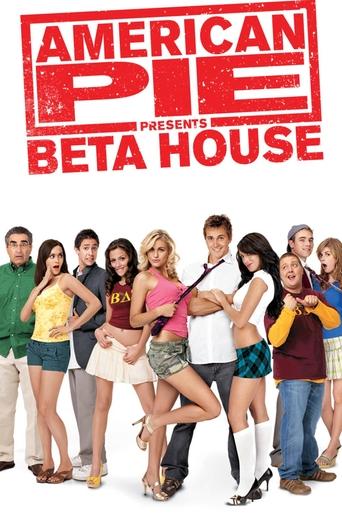
American Pie Presents: Beta House kicks off with Erik (John White), Ryan (Jake Siegel), and Cooze (Steve Talley) starting college and eager to join the legendary Beta House fraternity, presided over by the wild Stifler (Christopher McDonald). The film sets up a classic college comedy scenario: a rivalry emerges with a group of nerdy geeks who threaten the Betas' party lifestyle. As the Betas scramble to outdo their rivals, we see the chaotic antics that have come to define this franchise.
The real conflict arises as the Betas prepare for the annual 'Beta House Challenge,' a series of outrageous and often crass competitions meant to prove their superiority. Along the way, we get some predictably absurd scenes, like a beer pong showdown that threatens to go wildly off the rails. It’s a familiar trope, but I’ll admit I didn’t expect the film to go as far as it did in some of its humor.
As the story unfolds, viewers are taken on a journey that touches on themes of friendship, identity, and self-discovery. Erik, in particular, grapples with wanting to fit in while trying to keep some semblance of his individuality. What stayed with me after the credits was how the film's foundation could have been rock solid, but it's built on gags that fall flat more often than not.
The emotional arc is hit-or-miss, even as the stakes build. By the time the climactic scenes roll around, you're left wondering if the resolution is something you really care about. It’s a popcorn flick, but it could’ve offered more substance, which bothered me slightly. Rather than growth, what you get is the same repetitive formula that leaves you with a sense of déjà vu.
Direction & Cinematography
Director Andrew Waller takes the reins with a light touch, though at times it feels more like he’s just trying to keep up with a script that lacks originality. One specific shot that stands out is a wide-angle view of the fraternity house party early in the film, where a sea of bodies dances while outrageous antics unfold in the background. It captures the chaotic mood well, but I noticed it didn’t carry through to the film's later moments.
The pacing can feel off, especially when the party scenes drag on too long, making the transitions to quieter moments feel jarring. But there are sparks of clever staging, especially during scenes that involve physical comedy — it’s just a shame that these moments are often undermined by the overall tone. The humor is juvenile, which might resonate with die-hard fans, but might leave others looking for something more meaningful.
On rewatch, the film’s tone feels less like an evolution of the franchise and more like a tired rehash. What surprised me most was how little character development Waller managed to squeeze into the runtime. The potential for deeper emotional connections is nearly wasted, leaving the audience with a surface-level romp that lacks substance.
Cast & Performances
John White as Erik brings a certain charm, especially in his reaction shots where he plays the confused everyman caught in ridiculous scenarios. His bewilderment during a particularly chaotic party scene where a costume competition turns into a full-blown disaster is memorable. However, I felt like he could have pushed his comedic timing a bit more; sometimes his delivery felt flat.
Steve Talley as Cooze has moments of physical comedy that are genuinely funny, especially when he’s caught in embarrassing situations and reacts with exaggerated horror. His enthusiasm makes certain scenes pop, like when he rallies the fraternity to face their geeky rivals. Yet, I kept waiting for more depth in his character — it never quite came.
Christopher McDonald as Stifler is the stand-out, channeling the over-the-top energy he’s known for from the original series. His line delivery is spot-on, especially when he’s giving a motivational speech that quickly devolves into chaos. But it bothered me slightly that he felt like a mere caricature at times instead of a fully realized character. His presence is fun, but it lacks the nuance that made the original Stifler memorable.
Character Psychology
Erik is desperately seeking acceptance in his new college life, motivated by a desire to belong to the wild fraternity while still clinging to his integrity. However, he’s somewhat oblivious to how much his quest for acceptance leads him into increasingly ridiculous situations.
What he really needs is to learn about himself outside of the fraternity’s expectations, and by the end, it’s clear that this self-awareness is lacking. He doesn't change in any meaningful way, which left me feeling that his arc was just another missed opportunity in a film filled with clichés.
Themes & Emotional Depth
At its core, the film explores the concept of belonging, but it often gets lost in its own raunchy humor. For example, the Beta House Challenge is less about actual competition and more about showcasing how low they’re willing to go for acceptance. This superficial approach to camaraderie highlights a lack of depth in the characters' relationships.
Additionally, there’s a recurring theme of masculinity that feels outdated. Rather than showing growth or maturity, the characters often rely on crude humor to define their worth. This is particularly evident during the numerous party scenes, where the need to one-up each other overshadows any deeper friendship dynamics.
Memorable Scenes & Dialogue
One standout scene occurs during a talent show that devolves into chaos when the Betas decide to crash the nerds' performance. The juxtaposition of silliness and tension works well, with quick cuts capturing the unfolding disaster. The comedic timing here is sharp but also indicative of the film’s tendency to prioritize shock value over character development.
Another scene that resonates is when Cooze, who’s been the butt of many jokes, finally stands up to Stifler during a particularly rowdy moment. The way Talley plays this moment is effective, showcasing vulnerability in an otherwise brash atmosphere. His delivery surprises, giving a glimpse into what could have been a more layered character.
The Ending — Does It Deliver?
The climax revolves around a final showdown between the Betas and the nerd fraternity, culminating in a series of ludicrous pranks. While the chaos is entertaining on the surface, it feels more like a predictable conclusion rather than a rewarding payoff for the character arcs. I wasn’t surprised by the outcome — if anything, it felt like an easy way out, relying on familiar tropes instead of genuinely earned resolutions.
The final shot, a wide shot of the party, leaves the audience with a feeling of nostalgia for the series' earlier entries. But I kept waiting for any deeper reflection on what these characters had truly learned — and it never came. Instead, I was left feeling underwhelmed, despite the energetic chaos unfolding before me.
What Works
What works well in Beta House is its capacity for moments that feel genuinely funny, particularly those driven by physical comedy, like the disastrous talent show scene. John White's chaotic reactions often add a sense of relatability, even if the humor falls flat at times. Steve Talley's Cooze also brings a unique charm, especially during pivotal scenes where he stands up for himself, adding layers of potential depth. These glimpses of humor and heart are where the film shines amid its flaws.
Honest Criticism
The subplot involving the nerd fraternity lacks any real impact on the main story, often feeling more like a distraction than an essential element. Their antics are funny in the moment but don’t contribute to any significant character development. It bothered me slightly that this rivalry felt forced, taking away from the potential emotional stakes that could’ve been explored. Instead of a meaningful climax, it ends up being a series of increasingly outrageous set pieces that feel disconnected from the characters’ journeys.
How It Compares
Comparing American Pie Presents: Beta House to its predecessors, like the original American Pie (1999), it's clear that this installment lacks the sharp wit and heart of the original. While the early films managed to blend humor with emotional stakes, Beta House often feels like it’s just going through the motions. Another similar film, Road Trip (2000), pulls off a wild college adventure while still creating memorable characters — something Beta House struggles with. It offers a few laughs but fizzles when it comes to originality and character depth.
Legacy & Cultural Impact
While not widely recognized for awards, Beta House continues to be part of the American Pie franchise that helped define teen comedies in the late 90s and early 2000s. Its box office performance was modest, earning around $10 million, indicating a fanbase but not strong critical support. The film has contributed to the ongoing conversation around raunchy comedies, often sparking debates about its portrayals of gender and humor in college settings. It remains a footnote in the overall legacy of American Pie, often overshadowed by the more impactful original films.
Behind the Scenes
One interesting fact is that Eugene Levy returns to reprise his role as Jim's dad, adding a nostalgic touch, though his character feels underutilized in this entry. Additionally, many scenes were improvised, with actors encouraged to push the envelope, leading to some unexpected moments on screen. Filming was reportedly done on a limited budget, which shaped the choice to prioritize party scenes over character-driven storytelling.
Who Should Watch It?
This film will likely appeal to fans of slapstick college comedies who enjoy raunchy humor and silly antics. However, those seeking deeper character development or anything beyond surface-level laughter should probably give it a pass. If you enjoyed the earlier American Pie films, you might find some familiar laughs, but don’t expect the same kind of charm.
Final Verdict
American Pie Presents: Beta House is a lighthearted comedy that struggles to find its footing amidst recycled jokes and underwhelming character arcs. While there are moments of genuine humor, the film ultimately fails to capture the spirit of its predecessors. It’s best suited for die-hard fans of the series, but casual viewers likely won't find it compelling enough. If you're in the mood for mindless laughs, it might work for a lazy afternoon; otherwise, you're probably better off exploring other comedies.
More details, ratings, and cast information on IMDb, TMDB, Wikipedia. YouTube