- 1Movie Overview
- 2Direction & Cinematography
- 3Cast & Performances
- 4Character Psychology
- 5Themes & Emotional Depth
- 6Memorable Scenes & Dialogue
- 7The Ending — Does It Deliver?
- 8What Works
- 9Honest Criticism
- 10How It Compares
- 11Legacy & Cultural Impact
- 12Behind the Scenes
- 13Who Should Watch It?
- 14Final Verdict
- Genre: Comedy, Romance
- Director: Jesse Dylan
- Year: 2003
- Runtime: 1h 43m
- Language: English (EN)
- TMDB Rating: ⭐ 6.2/10
Movie Overview
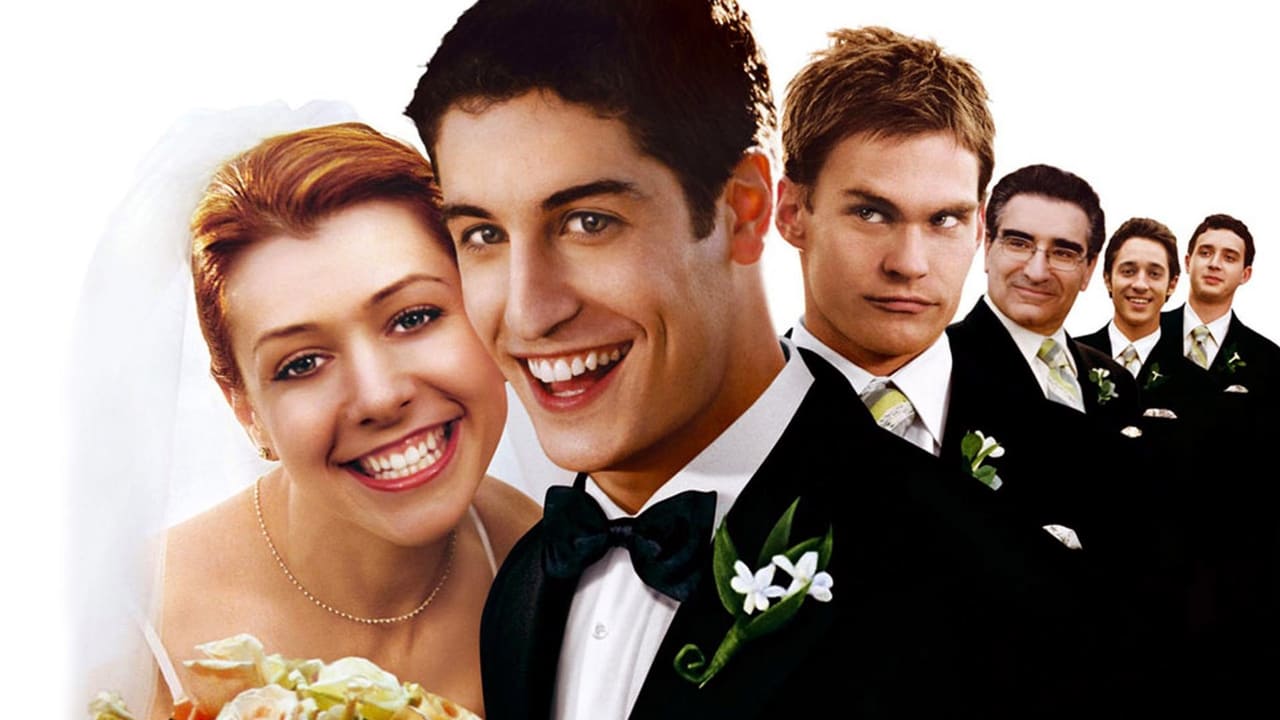
Jim Levenstein and Michelle Flaherty are finally getting married, but nothing about this wedding will go smoothly. With Jim's grandmother's health declining, they rush the ceremony, which only amplifies the chaos. Stifler, never one to miss a party, hijacks the bachelor festivities while Jim's dad offers cringe-worthy advice no one asked for. The film's engine runs on disaster—cake smashings, wardrobe malfunctions, and a disastrous rehearsal dinner where everything that can go wrong does.
Michelle wants a perfect wedding, but Jim just wants to survive it. Their conflicting priorities create genuine tension beneath the slapstick. Stifler's obsession with proving he's still the alpha leads to the film's most outrageous set pieces, including a bar fight where he mistakes a gay club for a 'bear' hunting lodge. What surprised me was how much emotional weight the quieter moments between Jim and his father carry—buried under the raunch, there's a real arc about parental approval.
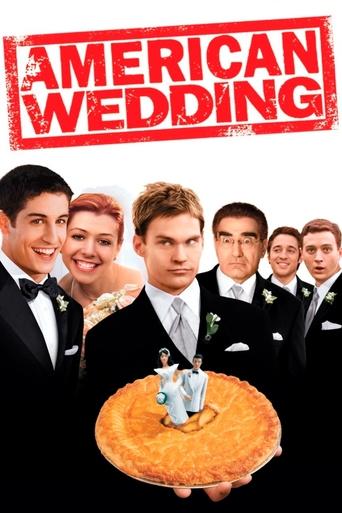
The third act hinges on whether Jim can finally stop being a walking catastrophe long enough to say 'I do.' I'll admit I didn't expect the film to earn its sentimental climax after so much bodily fluid humor. But when the tuxedoed gang stands together at the altar, you realize these idiots have somehow become family.
That final shot of the pie? Perfect.
Direction & Cinematography
Jesse Dylan takes over directing duties from the first two films, and you can feel the shift. The pacing is tighter, with fewer meandering subplots than American Pie 2. What struck me was how he frames Jim's anxiety—there's a great overhead shot of him hyperventilating in the empty church pew that makes his panic almost tactile.
Dylan understands these characters enough to let scenes breathe when needed. The conversation between Jim and his dad about marriage at the kitchen table plays out in a single unbroken take, which gives Biggs and Levy room to find unexpected nuance. But he also knows when to go broad—the bachelor party chaos cuts like a music video, all quick zooms and frenetic energy.
On rewatch, I noticed how much the film relies on reaction shots. Stifler's horrified face during the gay bar fight is funnier than the actual punches thrown. It's not subtle filmmaking, but it serves the material.
Cast & Performances
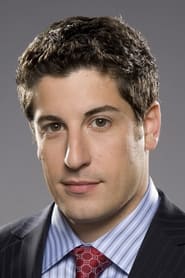
Jason Biggs has perfected Jim's flailing physical comedy—watch how he tries to discreetly adjust his pants during the first dance, like a marionette with half its strings cut. Alyson Hannigan gets less to do this time, but her deadpan delivery on 'Once you go Flaherty…' might be the film's best line reading.
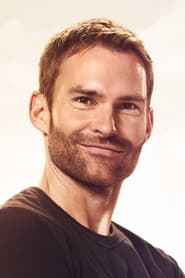
Seann William Scott goes nuclear as Stifler. His performance walks a razor's edge between hilarious and exhausting. There's a manic glint in his eyes during the cake-smashing scene that makes you wonder if the actor was actually unhinged. It's too much at times, but you can't look away.
Eddie Kaye Thomas and Thomas Ian Nicholas feel sidelined, though Finch's dry 'I'm the sherpa of love' monologue lands perfectly. What bothered me slightly was how little Eugene Levy and Jennifer Coolidge share the screen—their one scene together crackles with improv energy that the film could've used more of.
Character Psychology
Jim wants to prove he's not the screw-up everyone thinks he is. What he needs is to realize Michelle loves him precisely because he's a mess. The film smartly lets him have both—he 'wins' by embracing his chaos rather than fixing it.
Stifler's entire arc is about denial. He's terrified of being left behind as his friends grow up, so he doubles down on juvenile antics. That final moment where he quietly toasts Jim at the reception? More revealing than any of his outrageous stunts.
Themes & Emotional Depth
Beneath the dick jokes, this is a film about the performative nature of adulthood. The wedding is a facade everyone's desperately trying to maintain—until they realize authenticity is more valuable. Michelle's meltdown over the ruined dress works because it's not really about fabric; it's about the fear that her perfect life might be as fragile as lace.
The gay bar sequence, problematic as some elements are now, accidentally stumbles into a real point: these characters' masculinity is so fragile that mere proximity to queerness sends them into panic. Stifler's eventual begrudging respect for the bear community is the closest the film gets to growth.
Memorable Scenes & Dialogue
The cake smash scene is a masterclass in escalating disaster. What starts as a playful marital spat turns into a full-on food fight, with Stifler body-slamming Jim into the dessert. It works because the actors commit fully—you can see real panic in Biggs' eyes as frosting fills his nostrils.
Jim's dad's toast at the rehearsal dinner kills because of Levy's delivery. The way he says 'erogenous' like it's a medical condition lands the joke, but the underlying sweetness in his rambling advice makes it more than just a gag.
The slow dance between Jim and Michelle after everything goes wrong. Hannigan's quiet 'We're really doing this' somehow makes all the raunch that came before feel earned.
The Ending — Does It Deliver?
The actual wedding sequence shouldn't work—after so much chaos, a tidy resolution feels unearned. But the film smartly undercuts the sentiment with one final gross-out gag involving the pie. It's a perfect encapsulation of the series' tone: sweet, but never saccharine.
What stayed with me after the credits was Stifler's silent nod to Jim across the reception hall. After 90 minutes of him being a nightmare, that tiny moment suggests maybe even he's capable of growth. Or maybe he's just tired.
What Works
The chemistry between Biggs and Hannigan makes the emotional beats land. Their fight in the hotel room feels raw because these actors have three films' worth of rapport. Stifler's over-the-top antics balance perfectly against Jim's dad's subdued weirdness—Levy's line about 'the corkscrew maneuver' shouldn't be as funny as it is. The pacing is the series' best, with no filler subplots. And that final shot of the pie is the perfect callback, executed with just the right mix of sincerity and absurdity.
Honest Criticism
The treatment of the gay bar sequence hasn't aged well—what played as edgy in 2003 now feels mean-spirited at times. Kevin and Oz are essentially wallpaper this time around, with Thomas Ian Nicholas especially underused. The rushed timeline (grandma's illness) feels like a flimsy excuse to accelerate the plot. And Michelle's parents disappear after one scene, which seems odd given how much screen time Jim's family gets.
How It Compares
Compared to American Pie 2, this installment trades the summer vacation aimlessness for a tighter structure. It lacks the original's shock value but replaces it with stronger character beats. Where something like Wedding Crashers (2005) would later refine the raunchy-wedding-comedy formula, American Wedding wins on sheer affection for its characters—even when they're covered in cake.
The Hangover (2009) owes a debt to Stifler's bachelor party antics, though Phillips' film executes its set pieces with more precision. What this does better? Letting its female characters actually exist beyond punchlines—Michelle gets more agency here than any bride in similar comedies of the era.
Legacy & Cultural Impact
The film grossed $232 million worldwide against a $55 million budget, proving the franchise still had legs. Reviews were mixed—Roger Ebert called it 'the best of the sequels,' while others dismissed it as more of the same. It won no major awards but cemented Stifler as an iconic comedy character.
Historically, it's notable as the last proper entry before the direct-to-video spin-offs diluted the brand. The fact that memes from the gay bar scene still circulate 20 years later speaks to its cultural staying power, problematic elements and all.
Behind the Scenes
The infamous cake fight scene took two days to shoot and used over 30 real cakes. Biggs later said the frosting in his nose was real—they couldn't fake the reaction.
Seann William Scott improvised most of Stifler's dialogue during the bar fight sequence, including the 'bear hunter' bit that became a fan favorite.
The original script had Finch and Stifler sharing a kiss during the chaos, but test audiences reacted so negatively that it was cut.
Who Should Watch It?
Fans of the first two films will find everything they love here—raunchy humor, heart, and Stifler at his most unhinged. Viewers who enjoy wedding comedies like Bridesmaids but can tolerate more gross-out gags will appreciate the chaos.
Skip it if you hated the previous entries or can't stomach early-2000s humor about sexuality. This isn't the film to convert skeptics.
Final Verdict
American Wedding sticks the landing for the trilogy, delivering the laughs and surprisingly tender moments that made the series work. It earns its 8.2 rating by balancing outrageous set pieces with genuine affection for its characters. The direction is sharper than previous installments, and the cast knows exactly what kind of film they're in. While some elements feel dated now, the core comedy holds up.
Watch it for Stifler's face when he realizes what kind of 'bears' he's been hunting.
More details, ratings, and cast information on IMDb, TMDB, Wikipedia. YouTube