- 1Movie Overview
- 2Direction & Cinematography
- 3Cast & Performances
- 4Character Psychology
- 5Themes & Emotional Depth
- 6Memorable Scenes & Dialogue
- 7The Ending — Does It Deliver?
- 8What Works
- 9Honest Criticism
- 10How It Compares
- 11Legacy & Cultural Impact
- 12Behind the Scenes
- 13Who Should Watch It?
- 14Final Verdict
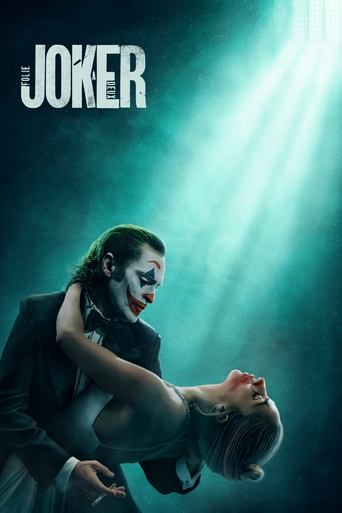
- Genre: Drama, Crime, Thriller
- Director: Todd Phillips
- Year: 2024
- Runtime: 2h 18m
- Language: English (EN)
- TMDB Rating: ⭐ 5.4/10
Movie Overview
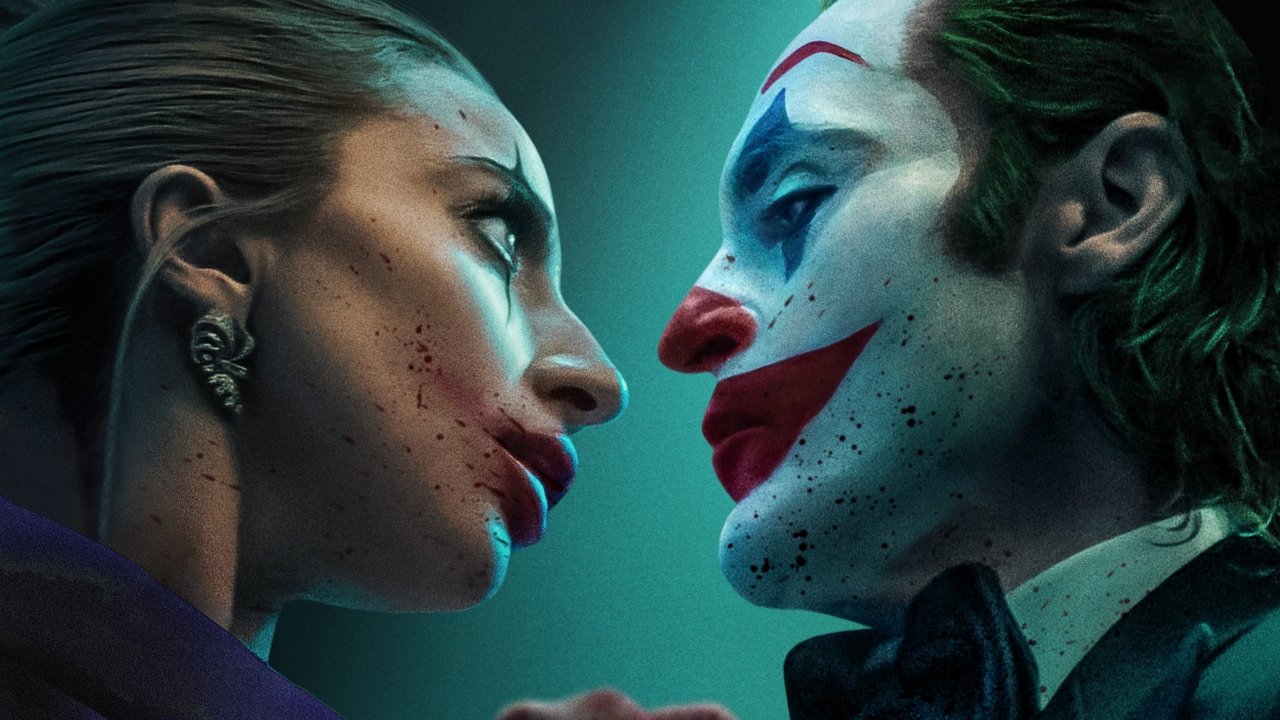
Joker: Folie à Deux continues Arthur Fleck's journey, diving deeper into his fractured psyche. This time, Fleck, played again by Joaquin Phoenix, not only grapples with his dual identity but also finds a connection with a new love, portrayed by Lady Gaga. Their relationship is a chaotic blend of passion and madness, punctuated by musical interludes that serve as both a relief and a reflection of Fleck’s inner turmoil. Here, love feels as unpredictable as the Joker himself.
As Fleck navigates his new life, he encounters both acceptance and resistance in Gotham City, which mirrors his emotional state. The stakes escalate when societal pressures and personal demons collide, pushing him closer to the edge. There's a haunting moment early in the film where Fleck stands alone in a crowded subway, his eyes darting around, feeling both connected and isolated — it perfectly encapsulates his struggle.
The conflict reaches a boiling point when Fleck's need for validation and acceptance clashes with the chaotic world around him. His relationship with Lady Gaga’s character, who offers both solace and strife, raises questions about what true love means for someone who lives in madness. But I kept waiting for the emotional payoff of their bond, and it never fully came.
Ultimately, Fleck's journey feels like a poignant commentary on mental health and societal rejection, wrapped in a colorful yet dark package of musical numbers. While the film takes some bold narrative risks, it sometimes stumbles under the weight of its ambition, leaving audiences questioning the depth of Fleck's transformation.
Direction & Cinematography
Todd Phillips returns to helm this ambitious sequel, crafting a film that feels more like a musical odyssey through madness. The cinematography blends claustrophobic close-ups with expansive shots that showcase Gotham's oppressive atmosphere. One striking moment occurs during a pivotal musical number where the camera sweeps around Fleck as he dances, highlighting his duality — both free as an artist and trapped by societal expectations.
But what struck me most was the pacing. At times, the film lingers longer than necessary on certain scenes, such as Fleck's introspective moments alone with his thoughts. This can create an uneasy tension, but it also risks losing momentum. Phillips often balances darkness with bursts of surreal color, which can feel jarring but also emphasizes the chaotic nature of Fleck’s psyche.
Overall, the tone oscillates between despair and fleeting joy, effectively mirroring Fleck's emotional rollercoaster. While some scenes feel overextended, there are moments where the direction brings clarity to Fleck's struggles. I appreciated how Phillips navigated the fine line between tragedy and artistry, though I’ll admit I didn't expect the film to embrace musical elements as strongly as it did.
Cast & Performances
Joaquin Phoenix delivers another intense portrayal of Arthur Fleck, channeling both vulnerability and rage. His physicality often shifts from awkwardness to explosive energy, particularly in a scene where he dances in a dimly lit alley. There’s a rawness to his performance that feels palpable, yet I found some of his attempts at humor slightly forced this time around.
Lady Gaga, as his love interest, adds a different kind of intensity to the narrative. Her character dances between tenderness and chaos, especially during a climactic musical number where her voice soars, hinting at the emotional stakes of their relationship. I kept waiting for her to shine in a more nuanced way, but she sometimes felt overshadowed by Fleck’s turmoil.
Brendan Gleeson and Catherine Keener round out the cast with solid performances, but their characters lack depth and often feel like devices to move the plot along. For example, Gleeson's character serves as an important ally but is never fully fleshed out, which bothered me slightly. The ensemble has talent, yet some performances don’t resonate as powerfully as they could.
Character Psychology
Arthur Fleck wants to be seen and loved, craving acceptance in a world that continuously rejects him. He seeks validation through his relationship with Lady Gaga’s character, believing that love could anchor him amidst his chaos. However, what he truly needs is self-awareness and healing — something he seems oblivious to throughout the film. He often replaces genuine connection with fleeting moments of joy, which ultimately leads to his downfall.
In the end, Fleck’s journey feels tragic. He doesn’t fully change or confront the deeper issues within himself, instead doubling down on the chaos. His final choices reflect a lack of self-awareness, leaving him trapped in his own illusions.
Themes & Emotional Depth
At its core, Joker: Folie à Deux examines the intersection of madness and artistry. The musical scenes highlight how creativity can emerge from pain, yet they also expose the risks of losing oneself in the process. The moment when Arthur sings a heartfelt duet with Lady Gaga is particularly telling — it's a moment of connection but also one of fragility, illustrating how quickly joy can turn to despair.
Moreover, the film comments on societal rejection and the desperate search for belonging. Fleck’s journey underscores the blurred lines between love and obsession, showcasing how one’s mental state can distort perceptions of relationships. The film raises an unsettling question: Can love truly save someone spiraling into madness, or does it simply propel them further down their dark path?
Memorable Scenes & Dialogue
One standout moment occurs during Fleck's dance in the subway, where he moves with a mix of elegance and chaos, embodying the duality of his character. It's masterfully shot, contrasting the bustling city around him with his internal struggle. Another impactful scene is a heart-wrenching duet between Fleck and Lady Gaga, where the music swells, and their emotions clash. The raw vulnerability showcased feels authentic, drawing the audience deeper into their turbulent relationship.
Lastly, the moment when Fleck stands in front of a mirror, rehearsing his comedic routine, feels particularly poignant. His desperate attempts at humor reveal the mask he wears — both literally and figuratively. This scene encapsulates Fleck's internal battle, making it a powerful commentary on performance and identity.
The Ending — Does It Deliver?
The ending of Joker: Folie à Deux is both surprising and somewhat inevitable. As the narrative builds toward chaos, I was struck by how effectively it reflects Arthur’s internal collapse. The final moments leave an unsettling impact, evoking a mix of confusion and empathy. The choice to end on a musical note felt bold but left me questioning the emotional resolution of Fleck's journey.
What stayed with me after the credits was the realization that while Fleck may find a semblance of completion in his artistic expression, he remains trapped within his cycles of madness. The film’s conclusion pushes the boundaries of traditional storytelling, challenging viewers to reconsider the nature of mental health and creativity.
What Works
The musical numbers are a standout element, particularly the duet between Joaquin Phoenix and Lady Gaga. Their chemistry during this scene adds emotional weight, enhancing the film's narrative. The cinematography captures the chaos of Gotham beautifully, emphasizing Fleck's inner turmoil through striking visuals. Phoenix's physical performance is compelling, especially in scenes where his body language reflects his mental state — it’s a captivating portrayal that draws you in.
Honest Criticism
However, the character arcs of the supporting cast feel neglected, particularly Brendan Gleeson's character, whose potential is never fully realized. His role as a mentor could have added depth to Fleck's transformation, but instead, it hovers on the periphery. Additionally, the pacing falters in the second act, dragging out certain scenes and making the film feel longer than necessary. These elements detract from the overall impact of the story.
How It Compares
Joker: Folie à Deux stands alongside films like Black Swan and La La Land in its exploration of artistry and madness. Where it shines is in its unique blend of musical elements with psychological drama, creating a narrative that feels both fresh yet familiar. However, it falls short in character development compared to Black Swan, where Nina's descent into madness is executed with tighter focus and emotional depth.
While La La Land captures the struggle between love and ambition with a lightness that engages, Folie à Deux’s darker approach can feel burdensome at times. The balance of joy and sorrow in these films differs significantly — this one leans heavily into despair, which might not resonate with all audiences.
Legacy & Cultural Impact
Since its release, Joker: Folie à Deux has sparked conversations about mental health representation in media. While its box office performance isn't on par with its predecessor, which grossed over $1 billion, its artistic ambition has made an impact. Critics have praised the blend of genre elements, even as some have pointed out its shortcomings. The film sits in a complex space — part love letter to madness, part critique of societal structures — pushing the boundaries of how mental illness can be depicted in film.
Behind the Scenes
Initially, the role intended for Lady Gaga was meant for a different actress, but Gaga’s last-minute audition won her the role. The production faced challenges in creating the musical numbers, with several scenes being improvised to capture the raw emotions of the characters. Additionally, many of the locations in Gotham were shot in real neighborhoods, aiming for a gritty authenticity that reflects Fleck's chaotic reality.
Who Should Watch It?
Fans of psychological dramas and musicals may find a lot to appreciate in Joker: Folie à Deux, with its unique blend of both genres. However, viewers seeking a straightforward narrative or a lighthearted film should definitely skip this one. It’s a challenging watch that demands attention and emotional investment.
Final Verdict
Joker: Folie à Deux is an ambitious sequel that dares to explore the depths of madness through love and artistry. While it stumbles in character development and pacing, its bold storytelling and musical elements are noteworthy. If you're intrigued by the complexities of mental health framed within a musical context, this film warrants a watch — just be prepared for its darker tones.
More details, ratings, and cast information on IMDb, TMDB, Wikipedia. YouTube