- 1Movie Overview
- 2Direction & Cinematography
- 3Cast & Performances
- 4Character Psychology
- 5Themes & Emotional Depth
- 6Memorable Scenes & Dialogue
- 7The Ending — Does It Deliver?
- 8What Works
- 9Honest Criticism
- 10How It Compares
- 11Legacy & Cultural Impact
- 12Behind the Scenes
- 13Who Should Watch It?
- 14Final Verdict
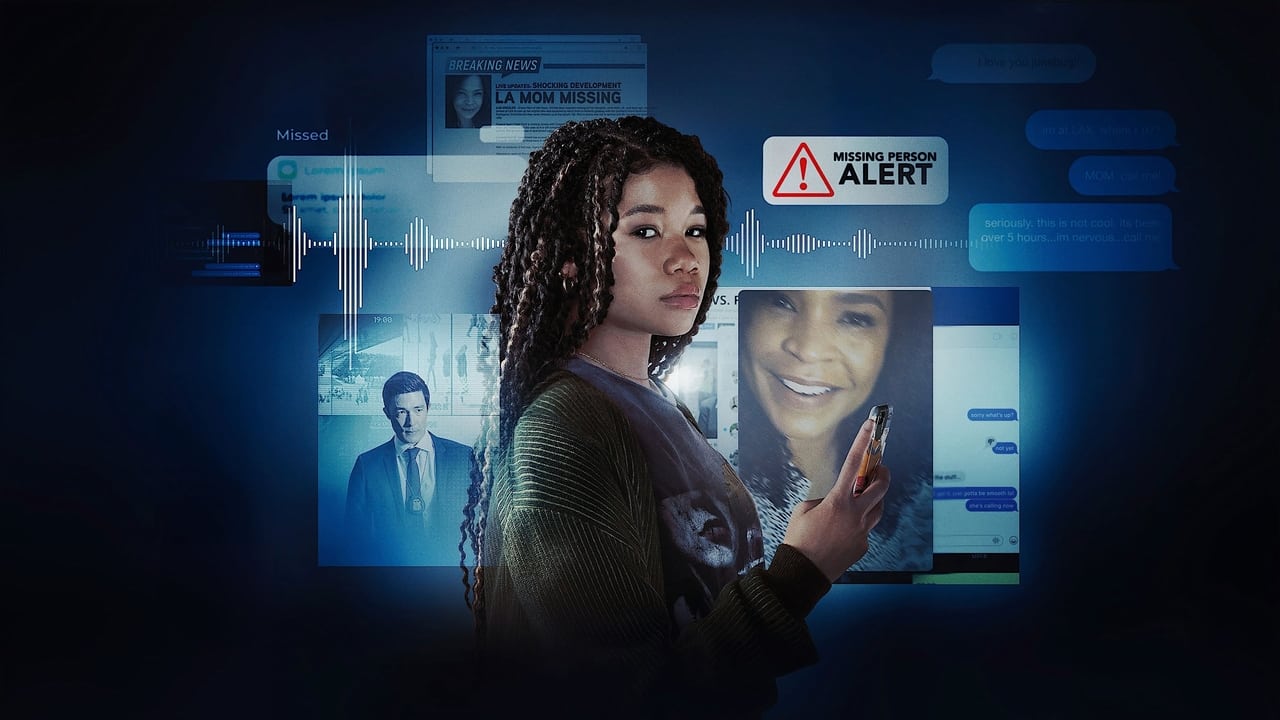
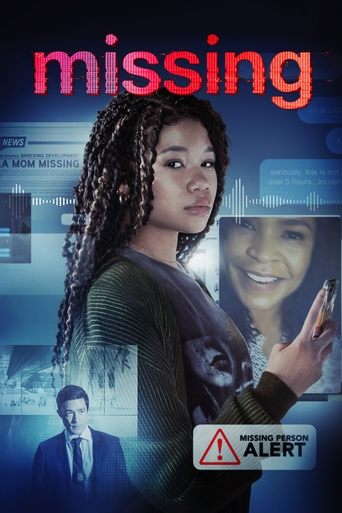
- Genre: Drama, Mystery, Thriller
- Director: Will Merrick
- Year: 2023
- Runtime: 1h 51m
- Language: English (EN)
- TMDB Rating: ⭐ 7.4/10
Movie Overview
Missing opens with June (Storm Reid) celebrating a technological milestone, the latest in a string of achievements that highlight her savvy. But when her mother, Grace (Amy Landecker), suddenly vanishes while vacationing in Colombia with her new boyfriend, the film quickly shifts from triumphant to terrifying. Stuck in Los Angeles, June finds herself grappling with international red tape as she attempts to find her mother using only her laptop and smartphone. What seemed like a simple vacation turns into a tangled web of deceit and family secrets.
As June's search intensifies, the film effectively heightens the tension by revealing that her mother’s life is far more complicated than she ever realized. The layers of psychological conflict unfold as June discovers hidden facets of Grace’s personality and past. I kept waiting for the film to pander to familiar tropes, but instead, it subverts expectations at almost every turn.
By the climax of the second act, the emotional stakes rise as June learns that the truth may not only shatter her perception of her mother but could also endanger her life. The plot thickens with twists that leave you questioning everything you thought you knew. I’ll admit I didn’t expect to become so invested in June’s journey, but as each layer is peeled back, my anxiety grew alongside her desperation.
In the final moments, June emerges not just as a daughter searching for her mother but as a young woman confronting her own identity. Missing manages to balance suspense with emotional weight, and the resolution is as impactful as it is surprising. What stayed with me after the credits rolled was the haunting realization of how much we can overlook in those we think we know best.
Direction & Cinematography
Will Merrick directed Missing with a firm grasp on the technology-driven narrative that defines it. One standout moment occurs when June uses facial recognition software to track her mother's movements in Colombia, the screen splitting into multiple feeds that mirror her frenetic mental state. This shot encapsulates the film's tension, emphasizing how technology can empower and entrap us simultaneously. I noticed how Merrick maintains a tight pacing, ensuring that each revelation feels earned while keeping viewers on the edge of their seats.
But it wasn't all perfect; at times, the tone veered a little jarring. The balance of heartfelt moments and pulse-pounding suspense occasionally falters, particularly in scenes that attempt to inject humor into a tense situation. There’s a subplot involving June’s interactions with tech support that provides comic relief — but that sometimes feels out of place amid the unfolding drama.
The direction excels in crafting a claustrophobic atmosphere that mirrors June's mounting anxiety. As she dives deeper into her mother’s life, the cinematography often traps her within tight frames, visually representing her isolation. What surprised me most was how these choices kept the story personal, making the broader themes of trust and family secrets all the more compelling.
Cast & Performances
Storm Reid delivers a toucning performance as June, showcasing a blend of vulnerability and determination. In one powerful scene, her face is a tapestry of emotions as she listens to voicemail messages from her mother, her smile fading into fear and confusion. It really hit home for me, reflecting the film’s emotional core. On the flip side, I felt that some of her reactions in tense scenes could have been a bit more varied — she often oscillates between a calm demeanor and panic, which didn't always feel authentic.
Joaquim de Almeida, playing the elusive boyfriend, also leaves an impression. In one scene, his body language shifts from casual to tense in seconds, perfectly encapsulating the duality of his role. His portrayal of a man hiding secrets adds layers to the narrative, making viewers question his motives constantly. I think he could’ve benefited from more depth in backstory, as it sometimes felt like his character was a bit one-dimensional.
Ken Leung steps in as a weary detective, adding gravitas to the unfolding chaos. His weary expressions reveal a man who has seen too many missing persons cases. One moment that stood out was when he shares a vulnerable moment with June, relating to her fear of loss. It was a small injection of humanity that felt genuine against the backdrop of rising tension, making his character more relatable.
Character Psychology
June wants to find her mother, driven by a mix of love and guilt. She’s determined to prove that her tech skills can solve a mystery that feels insurmountable. But what she truly needs is to confront her feelings of inadequacy and the reality of her mother’s life. This journey forces her to reevaluate their relationship, revealing layers of emotional conflict that she hadn’t faced before.
While June is extremely resourceful, she remains largely unaware of her own emotional blind spots. The journey forces her to confront not just her mother's secrets but also her own. I kept waiting for her to articulate these realizations, but they remain largely internalized, which leaves her character arc feeling somewhat incomplete.
Themes & Emotional Depth
Missing delves into the complex dynamics of family relationships and the secrets that can hide beneath a seemingly normal exterior. One particular scene that encapsulates this theme occurs when June uncovers an old diary filled with her mother’s thoughts, revealing profound feelings of loneliness and longing. It challenges her to view her mother not just as a parent but as a multifaceted person with her own dreams and disappointments.
Another theme is the impact of technology on our understanding of each other. June's reliance on digital tools to search for her mother underscores how we often mistake online connections for genuine relationships. The film suggests that while technology can connect us, it may also isolate us from deeper emotional truths — an idea that resonates especially in our current digital age.
Memorable Scenes & Dialogue
One memorable scene occurs when June hacks into her mother's social media account to search for clues. The tension in the air is palpable as the camera focuses on June’s fingers flying over the keyboard. This moment not only highlights the film's technological aspect but also her desperation. The stakes feel incredibly high, and it becomes a game of cat and mouse that draws you in tight.
Another standout moment is when June finally confronts the truth about her mother's past — it’s both heartbreaking and enlightening. The way the filmmakers visualize this revelation, using dim lighting and close-up shots, gives it a raw emotional impact. The weight of the moment resonated with me long after the film ended.
The Ending — Does It Deliver?
The climax is a culmination of June's journey into her mother's hidden life and delivers surprises that feel both earned and deeply emotional. Just as I thought I had figured it out, the narrative took a turn that I didn’t see coming — which I appreciated. The tension builds to a point where the stakes couldn't feel higher, leading to an ending that ties personal revelations with the broader themes of the film.
The final shot left me with a mix of hope and sadness. It encapsulates June's growth while also illustrating the enduring sense of loss that permeates her story. This duality lingers, making you reflect on the complexities of family bonds and the truths that often remain unspoken.
What Works
What works best in Missing is how it uses technology not just as a plot device but as a character in itself. The split screens and social media interactions create a palpable tension that mirrors June's emotional state. Storm Reid's performance, particularly in emotional confrontations, makes her journey resonate. Those scenes where she searches through her mother's digital footprint effectively weave the thriller aspect into a deeply personal narrative, which elevates the film above typical genre fare.
Honest Criticism
The subplot involving the detective sometimes feels like filler instead of a necessary component of the story. His interactions with June can be amusing, but they often disrupt the flow of a tense thriller. I was waiting for his character to provide more than just comic relief, yet he often circles back to being one-dimensional, leaving a gap in the overall narrative depth.
How It Compares
Missing stands alongside films like Searching (2018) and Untraceable (2008) in its exploration of technology and suspense. However, it outshines them in emotional depth, particularly through June's character arc and her relationship with her mother. Where Searching relied heavily on its gimmick of screen-based storytelling, Missing integrates emotional stakes that pull you in tighter.
Yet, it falls short compared to Untraceable in terms of pacing, particularly in some side plots that feel unnecessary. The film sometimes stretches itself thin with subplots that distract from the main narrative, weakening the overall impact of June's quest.
Legacy & Cultural Impact
Since its release, Missing has sparked conversations about the role of technology in personal relationships and storytelling. It holds a decent box office, exceeding expectations for a suspense thriller, and has garnered a 7.4 rating on TMDB. Critics have praised its ability to blend modern technology with classic mystery tropes, influencing how similar narratives may approach the integration of digital elements in the future.
Behind the Scenes
Storm Reid was a part of the casting process early on and helped shape her character's direction through her own insights. Will Merrick faced challenges in filming due to the COVID-19 pandemic, which altered shooting locations and schedules. Interestingly, parts of the film were shot using real tech tools, inviting authenticity in the storytelling that resonates with today's audience.
Who Should Watch It?
Viewers who enjoy technology-driven mysteries and emotional family dramas will likely find Missing engaging and relatable. However, those who prefer straightforward thrillers without emotional layers might not appreciate its depth. If you're looking for a tense mystery with heart, this film will suit you well, but if you want high-octane action without introspection, you may want to skip it.
Final Verdict
I recommend Missing for its well-crafted blend of suspense and emotional storytelling, despite its few pacing issues. The film effectively uses technology to enhance both the tension and the character development. Ultimately, if you're looking for a thought-provoking thriller that resonates on a personal level, this one is definitely worth your time.
More details, ratings, and cast information on IMDb, TMDB, Wikipedia. YouTube