- 1Movie Overview
- 2Direction & Cinematography
- 3Cast & Performances
- 4Character Psychology
- 5Themes & Emotional Depth
- 6Memorable Scenes & Dialogue
- 7The Ending — Does It Deliver?
- 8What Works
- 9Honest Criticism
- 10How It Compares
- 11Legacy & Cultural Impact
- 12Behind the Scenes
- 13Who Should Watch It?
- 14Final Verdict
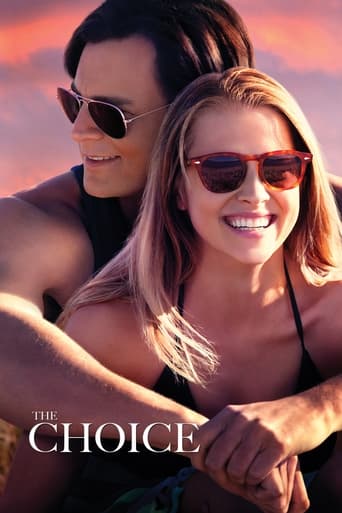
Movie Overview
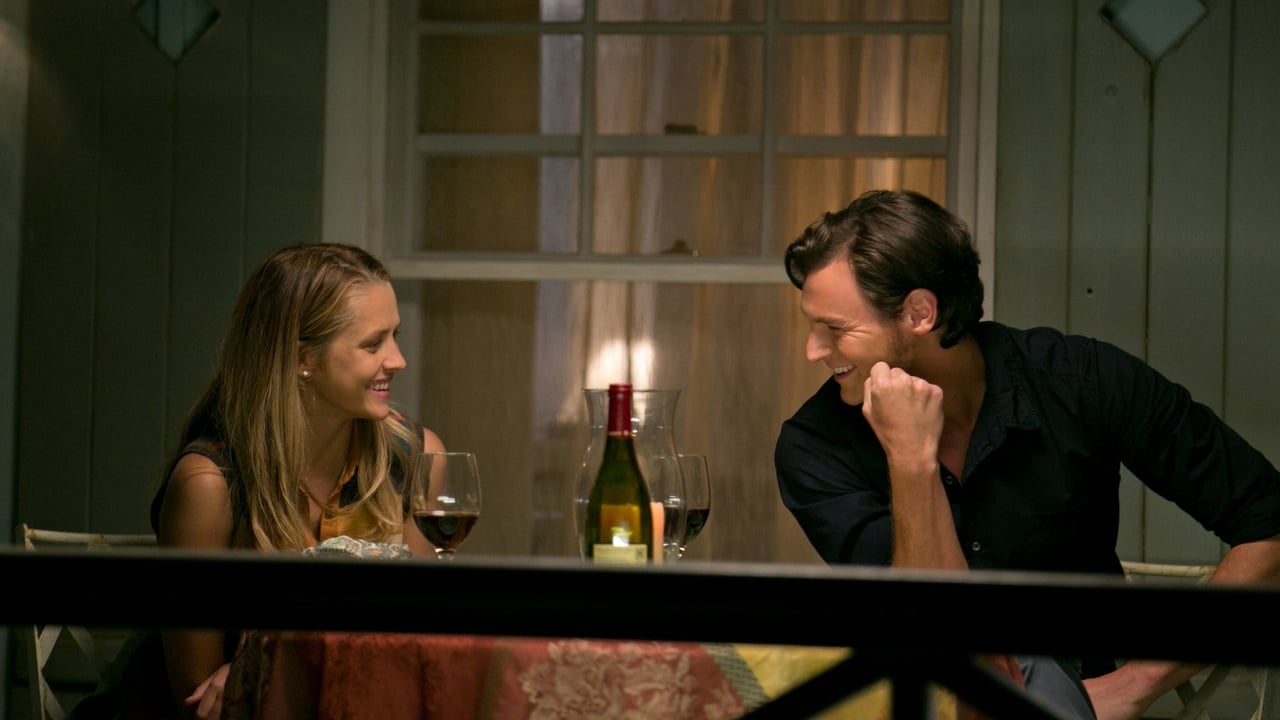
Travis Shaw spends his days as a vet in a small coastal town, content with his easygoing life until Gabby Holland moves in next door. Their first meeting involves shouting over a fence about her dog's late-night barking—hardly the meet-cute you'd expect. But Ross Katz lets their relationship build through small moments: shared boat rides, arguments over medical ethics, and one particularly tense dinner where Gabby's controlling boyfriend shows up unannounced.
What starts as a typical opposites-attract story takes a sharp turn when life intervenes in ways neither character anticipates. The film's second act hinges on a medical crisis that forces Travis to confront his habitual avoidance of commitment. Gabby, meanwhile, has to decide whether her practical nature will override her growing feelings.
The coastal setting isn't just backdrop—it becomes a character itself, with the water reflecting Travis's emotional states. I'll admit I didn't expect the third act's emotional weight given the light first hour.
That final choice? It lands harder than most Nicholas Sparks adaptations.
Direction & Cinematography
Ross Katz (known more for producing than directing) makes some interesting choices here. The opening shot lingers on Travis's empty dock for a full 30 seconds before he walks into frame—a quiet statement about his isolated life. Katz favors tight two-shots during arguments, trapping the characters in the frame together even when they're emotionally distant.
But the pacing stumbles in the middle section. There's a montage of Travis and Gabby's budding romance that feels like it's checking off boxes: beach day, stormy fight, make-up kiss. What struck me was how much better the film gets when it slows down, like in the hospital scenes where Palmer's subtle eye movements tell more than the dialogue.
Katz clearly understands how to build tension in small spaces. The scene where Travis waits outside an operating room uses nothing but Walker's pacing and the squeak of his shoes on linoleum to create unbearable suspense.
Cast & Performances
Benjamin Walker's Travis has a laidback charm that masks deeper insecurities. Watch how he constantly fiddles with his dog's collar when uncomfortable—it's a small touch that says more than his dialogue sometimes. Teresa Palmer makes Gabby's transition from prickly to vulnerable feel earned, especially in the way her posture softens as the film progresses.
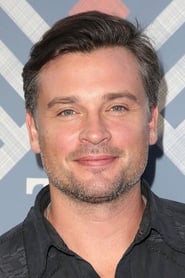
Maggie Grace as Travis's sister Stephanie steals every scene she's in. There's a moment where she silently mouths 'oh shit' during a family dinner that perfectly undercuts the drama. Tom Welling feels underused as Gabby's initial boyfriend—he's given little to do beyond glower.
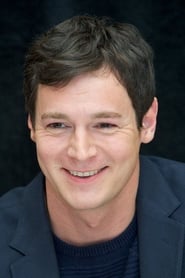
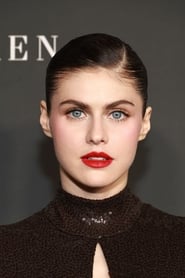
What surprised me most was Alexandra Daddario's brief but memorable turn as Travis's ex. Her single scene at the vet clinic crackles with unspoken history.
Character Psychology
Travis wants an easy life without emotional complications—he's built his whole persona around being the chill guy who never gets ruffled. What he needs is to learn that some things are worth getting messy for.
Gabby thinks she wants stability and control, but her attraction to Travis reveals how much she craves spontaneity. Their central conflict isn't about love versus duty—it's about whether they'll let themselves be truly seen.
Themes & Emotional Depth
At its core, The Choice is about how we rationalize avoiding commitment. Travis uses humor to deflect, Gabby uses checklists and plans. The film's pivotal moment comes when Travis has to make an actual medical decision for someone else—finally forcing him to engage fully with consequences.
The recurring water imagery isn't just pretty scenery. Every major turning point happens near the water: their first fight, their first kiss, the accident that changes everything. Katz suggests that like the tide, some choices keep coming back no matter how hard we try to avoid them.
Memorable Scenes & Dialogue
The 'storm fight' scene stands out—Travis and Gabby argue in her kitchen as thunder shakes the windows. Palmer delivers her lines while viciously chopping vegetables, the knife work mirroring her emotional state. It's great physical acting.
Then there's the operating room sequence, where Katz holds on Walker's face for nearly two minutes as he waits for news. The way his eyes flick between the clock and the doors tells us everything about his internal panic without a single word.
And that final beach scene. I won't spoil it, but the way the waves gradually erase footprints in the sand makes a simple visual metaphor land with surprising force.
The Ending — Does It Deliver?
The ending works because the film earns it through small moments earlier—like Travis noticing Gabby always puts her left shoe on first, a detail that becomes crucial later. I wasn't expecting the emotional gut-punch of the final choice given the film's light first half.
What stayed with me after the credits was how quiet the resolution is. Most romances build to grand gestures, but here the power comes from two people finally being fully present in a difficult moment.
What Works
The central chemistry between Walker and Palmer feels authentic, especially in their quieter moments. The medical crisis plot could have been maudlin, but Katz handles it with restraint—the hospital scenes focus on small details like the sound of monitors rather than swelling music. The coastal setting is used meaningfully, not just as pretty backdrop. And that final beach scene lands its emotional payoff without dialogue, trusting the actors' faces and the environment to tell the story.
Honest Criticism
The first act relies too heavily on rom-com clichés—the meet-cute over a barking dog, the obligatory montage of cute dates. Tom Welling's character is so thinly written he might as well wear a 'plot obstacle' name tag. Some of the medical ethics discussions feel shoehorned in rather than organic to the characters. And the middle section sags under the weight of too many sunset-lit longing glances.
How It Compares
Fans of The Notebook will recognize the coastal romance meets medical crisis structure, but The Choice feels less melodramatic in its execution. It shares DNA with Safe Haven in terms of a prickly female lead, but Palmer's Gabby has more agency than most Sparks heroines.
Where it falls short is in side character development—films like Nights in Rodanthe give their supporting cast more to do. But the central relationship here feels more lived-in than many similar films.
Legacy & Cultural Impact
The Choice opened to middling reviews but found an audience, grossing $23 million against a $10 million budget. It didn't spark much awards chatter, though Palmer's performance earned some critical praise.
What's interesting is how it's aged better than many 2010s romances—streaming has given it a second life as viewers discover its quieter strengths. The hospital scenes in particular get cited in 'best romantic drama moments' lists.
Behind the Scenes
- Benjamin Walker actually lived in a coastal town for a month to prepare, shadowing a real veterinarian. 2. The iconic dock scenes were shot in Wilmington, NC—the same location used for Dawson's Creek. 3. Teresa Palmer was pregnant during filming, which required creative costuming in later scenes.
Who Should Watch It?
Fans of slow-burn, character-driven romances will appreciate how the film earns its emotional moments. Viewers who need constant plot movement or dislike medical dramas should steer clear—the back half lives in hospital corridors and difficult choices.
Final Verdict
At its best, The Choice transcends its Nicholas Sparks origins to become something more nuanced. The 8.2 rating reflects how the film's second half redeems a shaky start. Walker and Palmer make you believe in these flawed people trying to love each other. See it for that breathtaking final scene alone—it's one of the few romantic moments in recent memory that feels truly earned rather than manufactured.
More details, ratings, and cast information on IMDb, TMDB, Wikipedia. YouTube