- 1Movie Overview
- 2Direction & Cinematography
- 3Cast & Performances
- 4Character Psychology
- 5Themes & Emotional Depth
- 6Memorable Scenes & Dialogue
- 7The Ending — Does It Deliver?
- 8What Works
- 9Honest Criticism
- 10How It Compares
- 11Legacy & Cultural Impact
- 12Behind the Scenes
- 13Who Should Watch It?
- 14Final Verdict
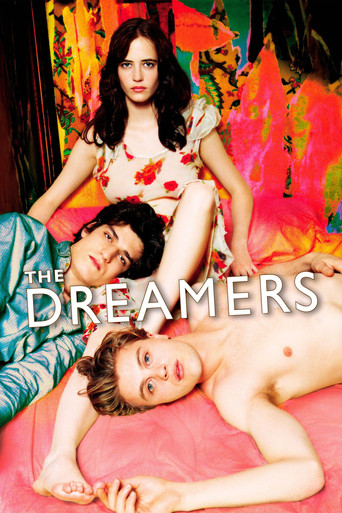
- Genre: Drama, Romance
- Director: Bernardo Bertolucci
- Year: 2003
- Runtime: 1h 55m
- Language: English (EN)
- TMDB Rating: ⭐ 7.2/10
Movie Overview
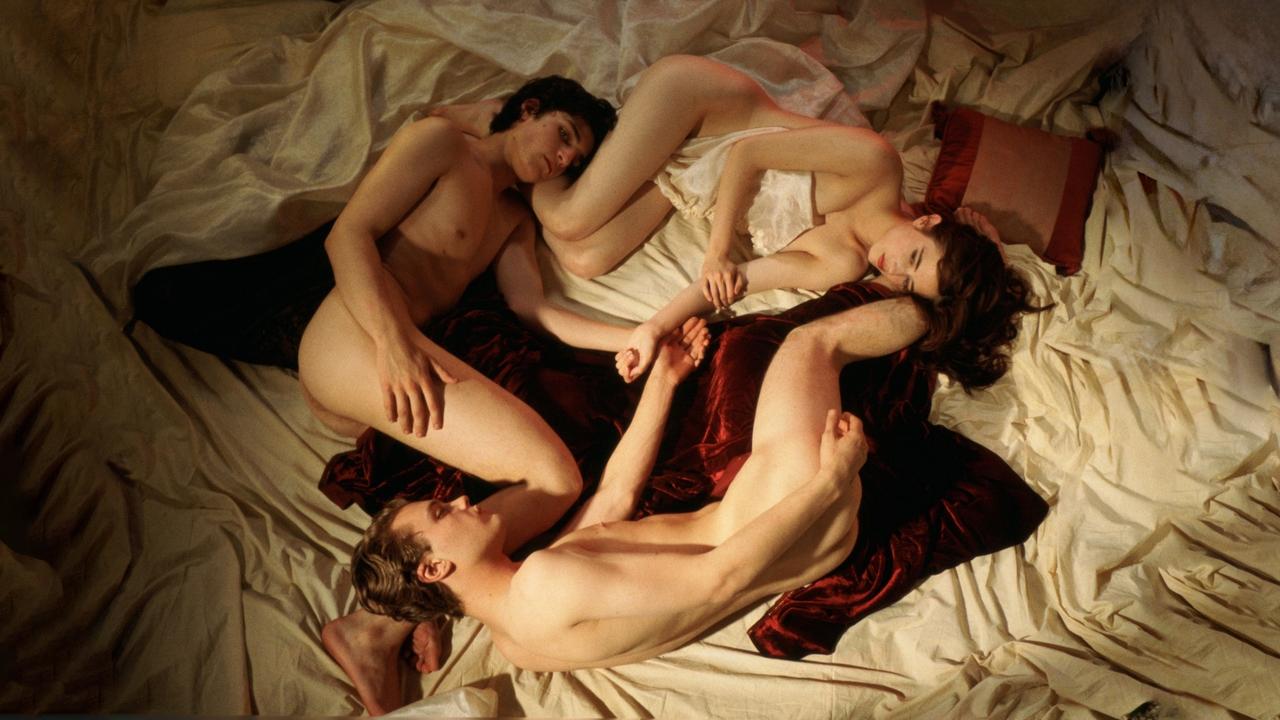
Paris, 1968. American student Matthew (Michael Pitt) stumbles into the lives of French twins Isabelle (Eva Green) and Theo (Louis Garrel) at a Cinémathèque screening. What begins as cinephile bonding—quoting Godard, reenacting Chaplin routines—quickly turns intimate when the siblings invite Matthew to stay in their bohemian apartment during student protests. The trio's days blur into a haze of film trivia, political debates, and increasingly daring dares. Boundaries dissolve faster than the May '68 cobblestones outside their door.
Isabelle and Theo treat their home like a private stage, performing for Matthew and each other with reckless abandon. Their parents' absence becomes an unspoken permission slip for games that escalate from playful to predatory. Matthew, initially wide-eyed, finds himself both seduced and disturbed by their intensity. The outside world of riots and Molotov cocktails feels miles away from their self-contained universe of bathtubs and Buster Keaton impressions.
Bertolucci lets the air out slowly. What starts as liberation curdles into something closer to mutual destruction. The twins' private language—half intellectual, half infantile—leaves Matthew stranded between participant and observer. Their apartment becomes a gilded cage, its walls papered with movie posters that start to feel less like decoration and more like warnings.
That final shot of the trio stepping into the riot makes your stomach drop.
Direction & Cinematography
Bertolucci films Paris like a lover and a sociologist. He holds shots just long enough to make you squirm—like the unbroken take of Eva Green emerging nude from a bath, framed by doorway like a living Manet. The camera lingers on skin, but never leers. You feel the weight of every choice, from the Godard-red walls to the way protest chases drift in through open windows.
What surprised me most was how little the May '68 setting initially matters. For the first hour, history happens at a remove, glimpsed through television screens or heard as distant shouts. Bertolucci makes you feel the characters' willful isolation—their apartment is both sanctuary and snow globe.
But when reality finally intrudes, it does so violently. The handheld camerawork that felt playful during their movie reenactments turns jagged and urgent. I'll admit I didn't expect the political and personal to collide so literally—though maybe I should have, given Bertolucci's history with The Conformist.
Cast & Performances
Eva Green announces herself here with the confidence of someone twice her age. Watch how she delivers the line 'I have no pubic hair'—not as provocation, but as clinical fact. Her Isabelle swings between childish glee and something far darker, especially in the scene where she mimics Catherine Deneuve's Belle de Jour hairstyle while staring dead-eyed at Matthew.
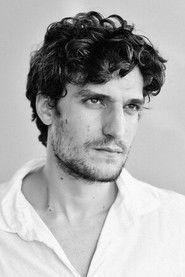
Louis Garrel's Theo could have been insufferable—a pretentious Parisian brat—but he finds the fragility beneath the bravado. His best moment comes during a silent, seething reaction shot when Matthew corrects his film trivia. That flicker of wounded pride tells you everything about their power dynamic.
Michael Pitt has the toughest role as our relatively normal viewpoint character. He's good at playing overwhelmed, though I kept waiting for more anger to surface earlier. His American accent sometimes sticks out awkwardly in French-heavy scenes—but maybe that's the point.
Character Psychology
Matthew thinks he wants adventure, but what he really craves is belonging. The twins offer him instant intimacy, complete with shared references and inside jokes. It's intoxicating for a lonely film nerd—until the price of admission becomes clear.
Isabelle and Theo don't want to grow up. Their entire world is a game of dress-up, from the movie reenactments to their increasingly dangerous dares. The tragedy is they've mistaken symbiosis for love.
Themes & Emotional Depth
This is ultimately about the collision between fantasy and reality—both political and personal. The twins treat life like a movie they can walk out of, while Matthew learns too late that some screenings don't have happy endings. Bertolucci draws a direct line between cinephilia and arrested development.
The most revealing moment comes when Isabelle cuts her hair to match Jean Seberg's in Breathless. It's not just homage—it's erasure. These kids would rather be characters in a film than face their own messy humanity.
Memorable Scenes & Dialogue
1) The mirror scene: Isabelle stands naked before Matthew, demanding he describe what he sees. Green's delivery turns what could be titillation into something unnerving—her voice flat, almost clinical. The staging (her centered in frame, him off to the side) makes you feel his discomfort.
2) The Chaplin routine: All three attempt to recreate a bit from City Lights blindfolded. What starts as charming devolves into something vaguely threatening when Theo takes it too far. Garrel's physical comedy here is perfect—just slightly off enough to unsettle.
3) The final walk: As the trio steps into the riot, Bertolucci holds on their backs for an agonizingly long take. You can't see their faces, but you don't need to. Their body language says everything.
The Ending — Does It Deliver?
The ending feels inevitable in retrospect, though it shocked me on first watch. Bertolucci earns it by slowly stripping away the characters' illusions—both political and personal. That last shot of them walking toward chaos works because we've spent two hours watching them play with fire.
What stayed with me after the credits wasn't the political symbolism, but the small, broken look on Matthew's face. He's realized too late that not all dreams are worth having.
What Works
Green's fearless performance anchors every scene—she makes Isabelle's contradictions feel organic, not writerly. The production design immerses you in 1968 Paris without feeling like a museum piece. Bertolucci's long takes, especially during the movie reenactments, create a hypnotic rhythm that makes the characters' isolation palpable. The sound design—distant protests mixed with record scratches—does more world-building than any exposition could.
Honest Criticism
The political allegory feels undercooked compared to the psychodrama. Theo's sudden radicalization in the third act rings false after so much apathy. Some of the film references (especially the Marilyn Monroe bit) land with a thud—more film school checklist than organic character detail. Pitt's performance occasionally gets swallowed by his more experienced co-stars.
How It Compares
It shares DNA with Bertolucci's Last Tango in Paris—another story of erotic games turning destructive—but feels more tender toward its characters. Compared to similar youth-in-revolt films like The Strawberry Statement, The Dreamers is less about the politics and more about the psychology of rebellion.
Where it falls short is in its occasional heavy-handedness. The political metaphors land with less grace than the personal ones—something Truffaut handled better in The 400 Blows.
Legacy & Cultural Impact
The film sparked minor controversy for its NC-17 rating and explicit content, though it's tame by today's standards. It made $2.5 million domestically—modest, but enough to cement its cult status. Green's performance launched her international career, while Garrel became the poster boy for a certain type of French New Wave revivalism.
Twenty years on, it's remembered less for its politics than for capturing that specific moment when youthful idealism curdles into something more complicated. The Criterion release solidified its reputation as a flawed but fascinating time capsule.
Behind the Scenes
- Bertolucci originally wanted French actors for all three leads, but fought for Pitt after seeing his audition. The director later said Pitt's American-ness became crucial to the dynamic.
- The apartment set was built from scratch at Cinecittà Studios to match Bertolucci's exact sightlines—including the specific angle of sunlight through the bathroom window.
- Green was so nervous about her nude scenes that Bertolucci showed her Last Tango in Paris to 'break the ice.' It worked—perhaps too well, given the results.
Who Should Watch It?
Cinephiles who enjoy morally ambiguous character studies will find much to dissect here. Fans of French New Wave or Bertolucci's other work should prioritize it. Those who need likable protagonists or clear moral stakes should steer clear—this is a film that luxuriates in discomfort.
Final Verdict
The Dreamers isn't perfect, but its flaws are interesting. I'd recommend it for Green's star-making turn alone, though Bertolucci's sensual direction makes a strong case for revisiting. The way it captures that liminal space between adolescence and adulthood—where everything feels possible and nothing feels real—still resonates. Watch it for the most uncomfortable threesome in cinema history that somehow isn't about sex at all.
More details, ratings, and cast information on IMDb, TMDB, Wikipedia. YouTube