- 1Movie Overview
- 2Direction & Cinematography
- 3Cast & Performances
- 4Character Psychology
- 5Themes & Emotional Depth
- 6Memorable Scenes & Dialogue
- 7The Ending — Does It Deliver?
- 8What Works
- 9Honest Criticism
- 10How It Compares
- 11Legacy & Cultural Impact
- 12Behind the Scenes
- 13Who Should Watch It?
- 14Final Verdict
Movie Overview
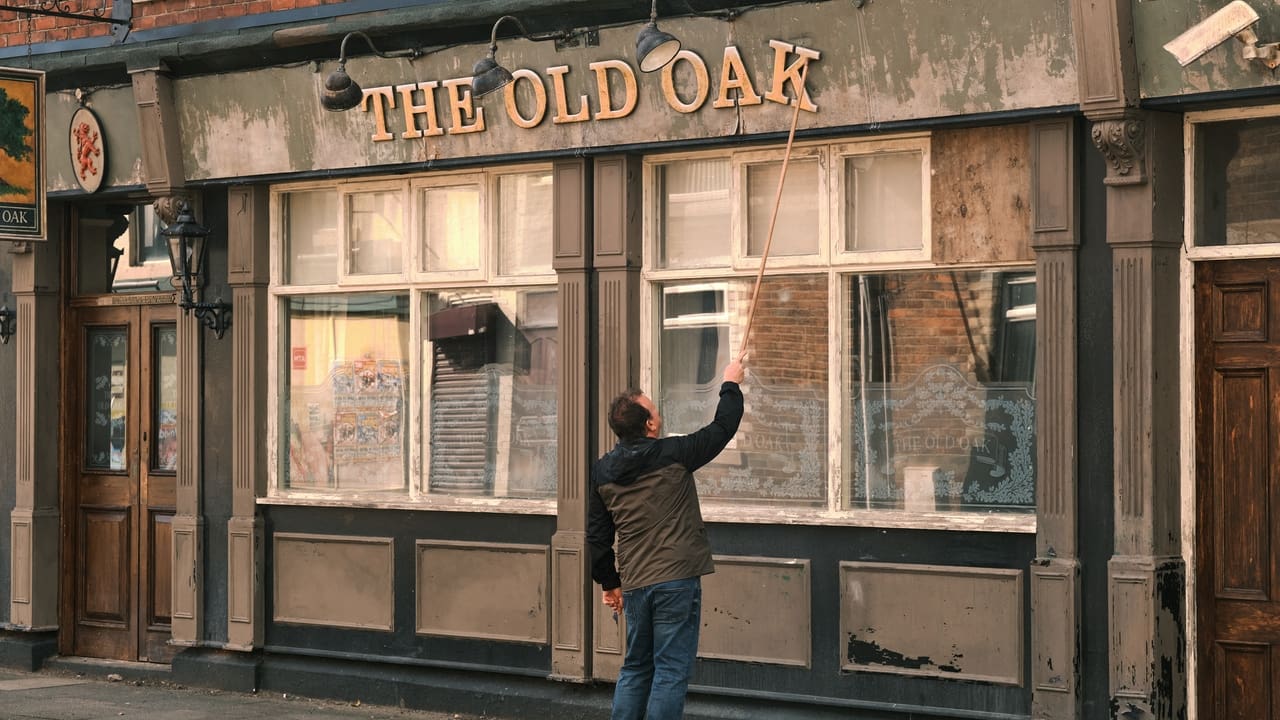
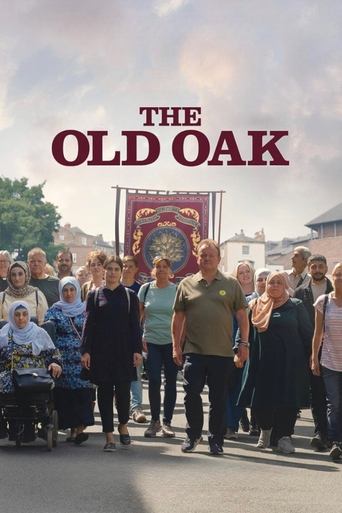
The Old Oak opens with the quiet despair of a fading pub in a mining town that once thrived. Dave Turner’s character, a pub landlord named TJ, is visibly worn down. His struggles highlight a community that feels abandoned, now filled with empty houses and dwindling patrons. The arrival of Syrian refugees adds tension, bringing potential allies and enemies to the forefront as the town grapples with change. As TJ attempts to protect his livelihood, he faces not only economic pressures but a moral dilemma regarding his new neighbors.
Tensions rise as local residents express hostility towards the new arrivals, creating a rift in the already fractured community. Meanwhile, TJ secretly finds solace in a bond with Yara, a young Syrian woman played by Ebla Mari, who enters his pub seeking warmth and acceptance. Their interactions showcase moments of vulnerability, emphasizing the shared humanity that transcends cultural divides. I wasn’t expecting such depth in their developing friendship, but it sheds light on both their needs and aspirations.
As the story unfolds, TJ’s initial resistance to change softens, revealing his underlying desire for connection and understanding. The contrasting views within the pub become a microcosm of the larger community struggle, highlighting the inherent biases and fears. What stayed with me after the credits was the ambiguity of resolutions, grounded in reality rather than sentimentality. The film doesn’t tie everything up neatly, reflecting the ongoing complexities of real-life interactions.
The final act escalates the stakes, as simmering tensions boil over into public confrontations. The presence of the Syrian refugees becomes a flashpoint, forcing characters to confront their own prejudices. Ultimately, TJ must decide between protecting his pub and fostering acceptance within his community. That struggle makes the film resonate, even as it leaves certain questions unanswered, which I appreciated more on rewatch.
Direction & Cinematography
Ken Loach's direction is unmistakable in The Old Oak, characterized by a documentary-like realism that makes the struggles of the characters feel immediate and pressing. One specific shot that stood out to me was an extended take of the pub during a busy night, focusing on TJ as he navigates patrons' complaints and tensions. This choice immerses the viewer in his chaotic world, underscoring the weight of his responsibilities.
The pacing is deliberate, allowing moments of silence to linger. For instance, in a poignant scene between TJ and Yara, the pauses in their dialogue draw attention to their unspoken fears and hopes. I noticed how Loach uses these quiet moments to build emotional depth, contrasting sharply with the louder, more aggressive exchanges among the townsfolk. This technique fosters a genuine sense of empathy for all characters involved.
What surprised me most was Loach's ability to depict both the warmth and hostility that can coexist in a community. The tone shifts seamlessly from moments of light-hearted banter in the pub to intense arguments outside, creating a layered emotional experience. I kept waiting for the film to take an overly sentimental turn, but Loach maintains a grounded perspective throughout.
Cast & Performances
Dave Turner brings a palpable weariness to his role as TJ, often captured in his body language. In one scene, as he slumps against the bar, he embodies the weight of his struggles perfectly. His delivery of lines is often understated, which amplifies the impact when he finally lets his frustrations spill over.
Ebla Mari as Yara delivers a quiet strength that contrasts sharply with the hostility surrounding her. Her reaction shots, particularly when she first enters the pub, are filled with a cautious hope that feels genuine. However, I’ll admit I didn’t expect her character to fade into the background during crucial moments, which felt like an underutilization of her potential.
Claire Rodgerson, playing a concerned local, embodies the fear and suspicion many in the community feel. Her outbursts during discussions about the refugees are fierce and unyielding. In one particularly heated scene, her face contorts with rage, showing just how divisive the situation has become. These moments effectively capture the broader societal tensions at play, although they sometimes lack the complexity that Loach aims for.
Character Psychology
TJ wants to hold onto his pub and restore a sense of community, grappling with the changes he feels helpless to control. Yet, beneath this desire lies a deeper need for connection and understanding, especially with the new residents he initially resists. He’s navigating the complexities of his own biases while trying to protect what he believes he knows.
By the end, TJ experiences moments of self-awareness that hint at his growth. However, whether he fully embraces change or continues to cling to the past remains uncertain. That ambiguity is part of what makes his journey compelling.
Themes & Emotional Depth
The Old Oak delves into themes of community and acceptance, as seen through TJ's interactions with both his regulars and the refugees. The film highlights the complexities of human connection, revealing how biases can stem from fear. There's a poignant moment when TJ recognizes his own biases reflected in the hostility of some locals; it’s this moment that encapsulates the heart of the film.
Additionally, the struggle to maintain a sense of belonging amidst change is palpable throughout. The pub serves as a symbol of this dynamic, where regulars reminisce about better times while newcomers seek refuge. This duality speaks to a universal experience of grappling with the past while looking towards the future.
Memorable Scenes & Dialogue
One standout scene occurs when TJ and Yara share a quiet drink after hours, where their conversation touches on their pasts. The soft lighting and intimate framing create an atmosphere that underscores their vulnerability. It works because it allows the audience to witness a moment of true understanding, which contrasts starkly with the chaos outside.
Another impactful moment is during a heated community meeting, where locals confront each other about the refugees. The camera captures the shifting faces in the crowd, capturing the fear and anger resonating in the room. This scene is effective due to the raw emotion on display, elevating the stakes for all involved and showcasing the film's conflict in real-time.
The Ending — Does It Deliver?
The climax of The Old Oak builds tension effectively, rooted in the community’s growing hostility. When a pivotal confrontation occurs outside the pub, it feels earned by the weight of the characters' journeys leading up to it. The stakes have been set, and the emotional investments are palpable.
The final shot, where TJ looks out at the empty streets of his town, left me with a sense of lingering uncertainty. It doesn’t provide clear answers, which I appreciated. Instead, it emphasizes the ongoing struggle for understanding and connection, leaving the viewer to ponder the complexities of community.
What Works
What works best in The Old Oak is its raw portrayal of community life. The pub setting brings together diverse narratives, and the interactions between characters reflect genuine struggles. The quiet moments between TJ and Yara create a sense of hope amidst hostility, punctuated by their heartfelt conversations. Additionally, Loach's direction captures the essence of the town's transformation, making it a compelling watch.
Honest Criticism
However, certain subplots feel underdeveloped, particularly some of the local characters' arcs. For example, Claire Rodgerson’s character emerges with strong convictions but fades into the background as the story progresses. This inconsistency weakens the overall thematic impact, as not all characters get the depth they deserve. It bothered me slightly that some critical moments felt rushed, which undermined the film's emotional core.
How It Compares
In comparison to films like I, Daniel Blake and My Name is Joe, The Old Oak thrives in its immediate portrayal of community challenges. Both of those films also tackle social issues, but this one feels more personal, with a focus on the pub as a central meeting point. However, it sometimes falters where those earlier works succeeded in weaving character arcs with sharper narrative thrusts.
Unlike many contemporary dramas that tend to overgeneralize these themes, The Old Oak takes a more grounded approach, though it risks dragging at points where momentum dips due to its slower pacing.
Legacy & Cultural Impact
Though The Old Oak is still fresh, it has sparked conversations about community dynamics and refugee experiences in Europe, especially in light of current events. Ken Loach’s consistent focus on social realism positions this film within a broader conversation about how cinema can address pressing societal issues. While it may not achieve the same recognition as his earlier works, it certainly adds to his legacy of socially driven storytelling.
Behind the Scenes
Dave Turner was cast shortly before filming began, as Loach wanted an authentic pub landlord whose demeanor felt genuine. The film was shot on location in a real pub, enhancing the atmosphere and authenticity of the setting. A few minor roles were improvised by local actors, including a memorable scene involving a spontaneous sing-along that added warmth to the pub’s environment.
Who Should Watch It?
Viewers who appreciate socially conscious dramas will likely find much to love in The Old Oak. Particularly, those interested in stories about community struggles and human connections will resonate with its themes. However, if you're looking for a fast-paced plot or a more traditional narrative structure, you might want to skip this one.
Final Verdict
The Old Oak is a thoughtful exploration of community, acceptance, and personal growth. While it has its pacing issues and underdeveloped characters, the film effectively captures the struggles of its setting. If you're curious about how communities evolve and react to change, this might be a film worth your time.
More details, ratings, and cast information on IMDb, TMDB, Wikipedia. YouTube