- 1Movie Overview
- 2Direction & Cinematography
- 3Cast & Performances
- 4Character Psychology
- 5Themes & Emotional Depth
- 6Memorable Scenes & Dialogue
- 7The Ending — Does It Deliver?
- 8What Works
- 9Honest Criticism
- 10How It Compares
- 11Legacy & Cultural Impact
- 12Behind the Scenes
- 13Who Should Watch It?
- 14Final Verdict
Movie Overview
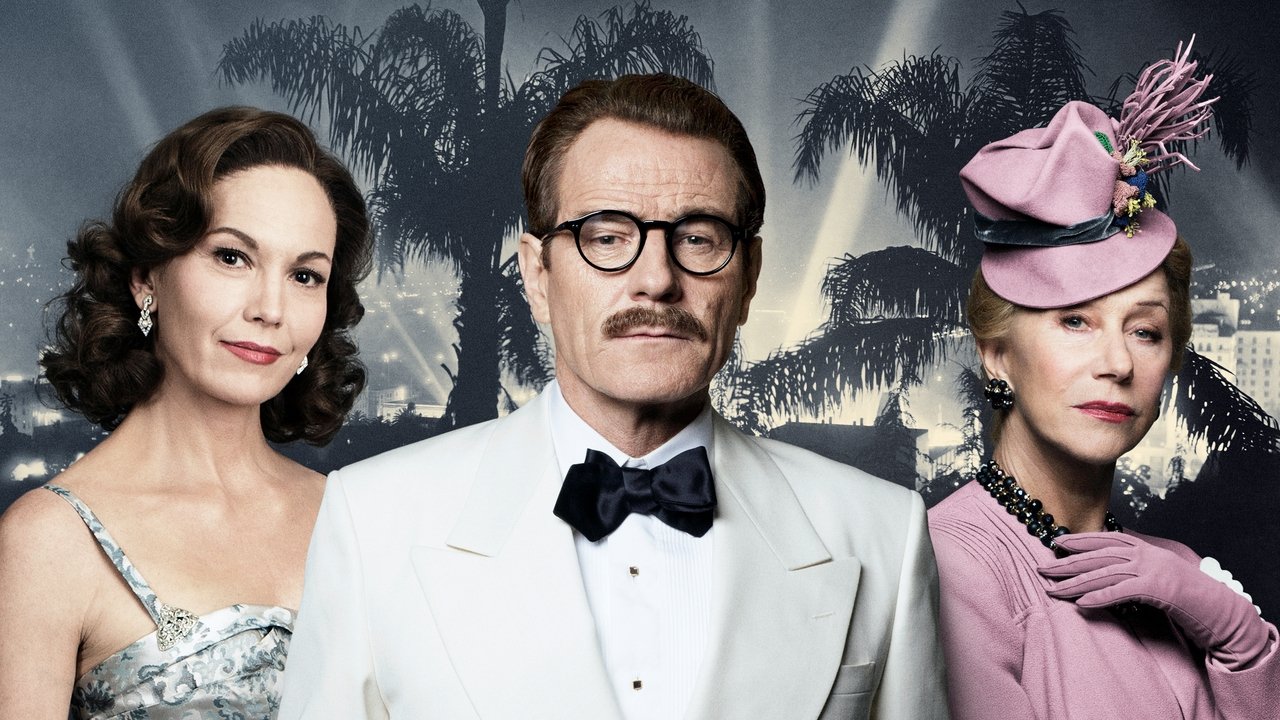
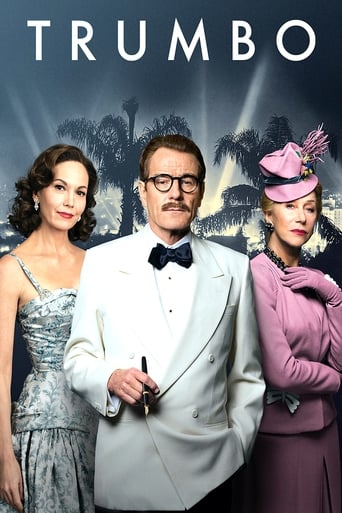
Dalton Trumbo, Hollywood’s highest-paid screenwriter in 1947, finds his career crumbling when he’s called before the House Un-American Activities Committee (HUAC). Refusing to name names, Trumbo is blacklisted, along with other writers and actors suspected of communist sympathies. But Trumbo isn’t the type to go quietly. He sets up a covert operation, churning out award-winning scripts under fake names while battling the system that’s trying to silence him. His family, particularly his teenage daughter Nikola, starts to feel the strain as Trumbo’s obsession grows. By the late 1950s, Trumbo’s persistence pays off — but not without cost. The final act shows Trumbo reclaiming his name, but the scars of the blacklist remain.
Direction & Cinematography
Jay Roach balances comedy and drama in ways that keep Trumbo from feeling like a dry history lesson. There’s a lightness to the early scenes — Trumbo typing in a bathtub, smoking a cigarette, or sparring with studio executives — that makes his fall from grace all the more jarring. What struck me was the way Roach frames Trumbo’s isolation. Later scenes often place him in tight spaces — cramped offices, dimly lit rooms — as though the walls are closing in. But the pacing wobbles in the middle, where the focus shifts to Trumbo’s family struggles. And while it’s important to see the personal cost of his fight, the film loses some momentum there. Still, Roach nails the ending, with Trumbo’s triumphant Oscar win feeling both cathartic and bittersweet.
Cast & Performances
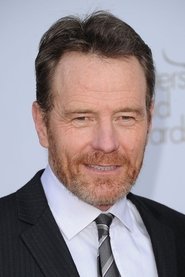
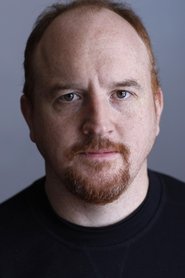
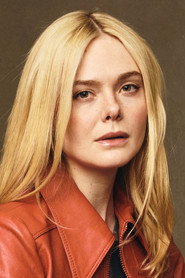
Bryan Cranston embodies Trumbo’s wit, ego, and stubbornness perfectly. His delivery of Trumbo’s sharp one-liners is spot-on, but it’s the quieter moments that stand out — like his exhausted reaction to Nikola’s growing resentment. Diane Lane, as Trumbo’s wife Cleo, doesn’t get much to do early on, but she shines in the later scenes where she confronts Trumbo about his neglect. Elle Fanning’s Nikola is a bright spot, bringing a youthful energy that contrasts with Trumbo’s grim determination. Louis C.K. as Trumbo’s friend Arlen Hird feels underused — his one big emotional scene works, but his character vanishes too soon. On rewatch, I noticed Helen Mirren’s portrayal of Hedda Hopper as almost cartoonishly villainous, though it’s fun to watch her chew the scenery.
Character Psychology
Trumbo wants to prove the system wrong — to keep writing films under pseudonyms and eventually reclaim his name. But what he needs is harder to admit: balance. His obsession with the fight costs him his family’s trust, and it’s only when he loses Nikola’s respect that he starts to see the damage. Trumbo’s self-awareness kicks in late, but it’s there. He knows he’s been selfish, but he also knows the fight matters. That tension drives the film.
Themes & Emotional Depth
At its core, Trumbo is about the cost of standing up for what you believe in — and the compromises that come with it. Trumbo sacrifices his family, his health, and his reputation to fight the blacklist, but he also bends the rules, taking risks that could have destroyed him. The film doesn’t shy away from showing the messy gray areas of his choices. A key moment comes when Trumbo justifies working for a low-budget studio run by a tyrant: “The work justifies the money.” It’s a line that captures his pragmatism — and the moral compromises he’s willing to make.
Memorable Scenes & Dialogue
The bathtub scene early on is a perfect introduction to Trumbo’s character: smoking, typing, and debating with friends about politics. It’s funny, but it also sets up his personality — arrogant, brilliant, and unyielding. Another standout is Nikola’s confrontation with Trumbo in the kitchen. Fanning’s delivery of “You’re not my father anymore” is gut-wrenching, and Cranston’s silent reaction speaks volumes. The climactic Oscar win scene works because it’s not just a victory lap — it’s a moment of reckoning for Trumbo, who finally gets the recognition he deserves but knows the fight isn’t over.
The Ending — Does It Deliver?
The ending feels earned, if a bit rushed. Trumbo’s Oscar win is a powerful moment, but it’s the quieter scenes afterward that pack the emotional punch. The final shot of Trumbo typing alone in his study — a callback to earlier scenes — suggests that while he’s won a battle, he’s still haunted by the war. It’s a fittingly bittersweet note that lingers after the credits roll.
What Works
Cranston’s performance anchors the film. His ability to balance Trumbo’s wit and vulnerability makes the character compelling. The bathtub scenes and Nikola’s confrontation are highlights, showcasing both the humor and emotional depth of the story. Roach’s direction keeps the tone from becoming too heavy, even as it tackles serious themes.
Honest Criticism
The middle section drags as Trumbo’s family drama takes center stage. Louis C.K.’s character feels wasted, and some secondary characters — like Cleo — don’t get enough screen time. The portrayal of Hedda Hopper as a one-note villain undermines the film’s otherwise nuanced tone.
How It Compares
Trumbo shares DNA with films like Good Night, and Good Luck and The Front, but it’s more willing to blend humor with its drama. Where it wins is in its portrayal of Trumbo’s personal life — something those films often gloss over. But it falls short in its portrayal of secondary characters, who feel underdeveloped compared to Trumbo. It’s not as tightly focused as Good Night, and Good Luck, but Cranston’s performance gives it an edge.
Legacy & Cultural Impact
Trumbo received mixed reviews but earned Bryan Cranston an Oscar nomination. It didn’t make a huge splash at the box office, but it’s found an audience among those interested in Hollywood history. The film’s exploration of free speech and political persecution feels especially relevant today. It’s not a classic, but it’s a solid entry in the genre.
Behind the Scenes
Bryan Cranston spent hours studying Trumbo’s letters and recordings to nail his voice and mannerisms. The bathtub scenes were filmed in an actual tub Cranston insisted on using for authenticity. Helen Mirren’s Hedda Hopper costume required multiple fittings to get the hat just right.
Who Should Watch It?
History buffs and fans of political dramas will enjoy Trumbo’s sharp dialogue and timely themes. Those looking for a fast-paced thriller or deeper exploration of secondary characters might be disappointed.
Final Verdict
Trumbo is a solid drama bolstered by Bryan Cranston’s standout performance. While it stumbles in pacing and character depth, its exploration of free speech and political persecution feels relevant and urgent. Watch it for Cranston and the sharp, witty dialogue — but don’t expect a flawless film. It’s worth your time, especially if you’re curious about Hollywood’s dark history.
More details, ratings, and cast information on IMDb, TMDB, Wikipedia. YouTube