- 1Movie Overview
- 2Direction & Cinematography
- 3Cast & Performances
- 4Character Psychology
- 5Themes & Emotional Depth
- 6Memorable Scenes & Dialogue
- 7The Ending — Does It Deliver?
- 8What Works
- 9Honest Criticism
- 10How It Compares
- 11Legacy & Cultural Impact
- 12Behind the Scenes
- 13Who Should Watch It?
- 14Final Verdict
- Genre: Drama, History
- Director: George Stevens
- Year: 1959
- Runtime: 2h 59m
- Language: English (EN)
- TMDB Rating: ⭐ 7.2/10
Movie Overview
Amsterdam, 1942. The Frank family – Otto, Edith, and their daughters Margot and Anne – squeeze into a secret attic annex with the Van Daans and a dentist named Dussel. I'll admit I didn't expect how Stevens makes the first 30 minutes feel almost cozy: Anne pasting movie star photos on the walls, the families sharing meals. But then the screws tighten. The real dread creeps in through small things – a creaking floorboard during nighttime raids, the way Mr. Van Daan's eyes track a stolen loaf of bread. What surprised me most was how Stevens finds humor here too, like when Anne teases Peter about his cat. The film doesn't just show fear; it shows people trying to live despite it. By the time Anne whispers, 'I still believe people are really good at heart,' you feel the weight of her choosing hope when nothing warrants it.
Direction & Cinematography
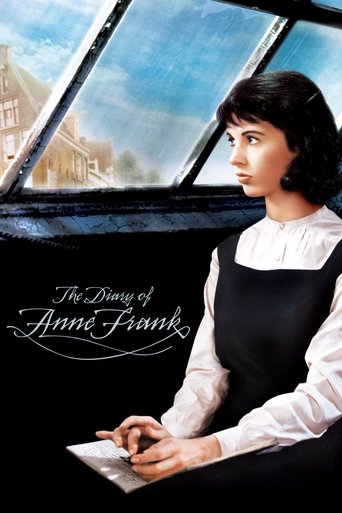
George Stevens frames the attic like a pressure cooker with occasional bursts of light. There's a shot early on where Anne presses her face against the lone window, her breath fogging the glass as she watches children play freely outside – it lasts just a second too long, letting you feel her longing. What stayed with me after the credits was how Stevens uses sound: the distant church bells marking time, the sudden silence when a floorboard cracks. But I kept waiting for more of Anne’s diary entries to weave through the action; the voiceovers are sparse compared to later adaptations. The pacing drags in the Van Daans' marital spats, though that’s a minor point. Stevens’ greatest trick is making you forget this is black-and-white – the attic feels oppressively real.
Cast & Performances
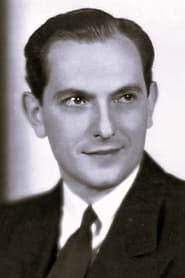
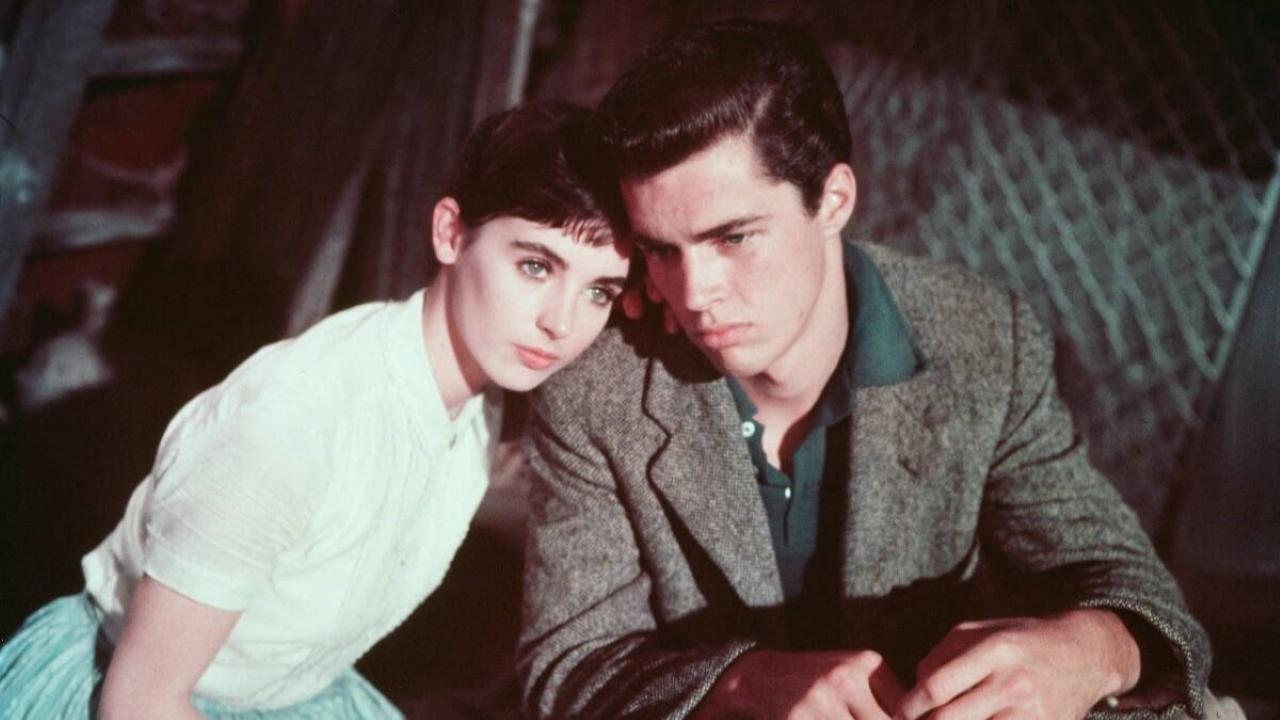
Millie Perkins’ Anne is all restless limbs and sudden smiles, especially in her gangly dance to cheer up the attic. Her voice cracks just right when she argues with her mother – not performative angst, but real teenage frustration. Joseph Schildkraut’s Otto Frank has this quiet warmth; watch how he adjusts his glasses when hiding bad news, as if composing himself. Shelley Winters won an Oscar as Mrs. Van Daan, but her performance hasn’t aged perfectly – the hysterics play broad now. Richard Beymer’s Peter is awkward in a way that grows on you; his hesitant smile when Anne teases him feels achingly true.
Character Psychology
Anne wants freedom – to run, to laugh loudly, to be seen as more than a problem. What she needs is harder: to reconcile that joy with the horror outside. The film nails how she oscillates between wisdom and childishness in the same scene. Otto knows the stakes better than anyone in that attic. His stillness isn’t passivity – it’s a man rationing hope.
Themes & Emotional Depth
This isn’t just about persecution – it’s about how people perform normalcy under siege. The way Mrs. Van Daan clings to her fur coat isn’t vanity; it’s her last tether to who she was. When Anne kisses Peter, it’s as much rebellion as affection – a refusal to let the Nazis dictate even her first crush.
Memorable Scenes & Dialogue
The Hanukkah scene, where the attic dwellers give each other handwritten poems and homemade gifts, destroys me every time. Stevens holds on Edith Frank’s face as she listens to the others singing – her smile falters for just a second, revealing the effort it takes. Later, when the thief breaks in below and they all freeze mid-motion, Dussel drops a spoon. The way the sound echoes makes your stomach drop.
The Ending — Does It Deliver?
The ending lands because Stevens doesn’t dramatize it. We don’t see the arrest – just the aftermath, the attic door swinging open, Anne’s diary abandoned. It’s more chilling than any reenactment could be. What surprised me was Otto’s final line; after three hours of restraint, his raw, simple delivery wrecked me.
What Works
Perkins and Schildkraut make the Franks feel like a real family through tiny details: the way Otto smooths Anne’s hair when she cries, how Edith’s hands flutter when she’s anxious. Stevens’ use of shadows turns the attic into a character – the way light slices through slats makes even daytime feel precarious. The score’s sudden silences are more affecting than any swelling strings could be.
Honest Criticism
Dussel’s character never rises above stereotype – the fussy hypochondriac bit gets old fast. Some of the daytime exterior shots (clearly soundstage foliage) break the immersion. The runtime could lose 15 minutes, especially in the repetitive Van Daan quarrels.
How It Compares
Compared to the 2001 miniseries, this version feels more confined – which works for the premise, though it lacks some historical context. It’s less brutal than ‘The Pianist’ but more intimate; we don’t see concentration camps, but we feel their shadow in every rationed potato. Where it falls short is the slightly stagey supporting performances – modern adaptations ground the ensemble better.
Legacy & Cultural Impact
Won three Oscars (Supporting Actress, Cinematography, Art Direction) and earned nominations for Best Picture and Score. Initially criticized for softening Anne’s sharper diary edges, it’s since been reappraised for its restrained power. The attic set became a pilgrimage site for cast members – Perkins later said she’d wake up there, forgetting she wasn’t really in hiding.
Behind the Scenes
Audrey Hepburn, a Holocaust survivor herself, was considered for Anne but deemed ‘too old’ at 28. The attic set was built 20% smaller than real life to intensify the claustrophobia. Stevens, a WWII veteran, personally filmed the liberation of Dachau – he reportedly screened that footage for the cast before shooting.
Who Should Watch It?
History buffs and character study lovers will appreciate its patience. Those looking for a Holocaust film focused on camps or resistance may find it too contained. Viewer warning: it doesn’t show violence, but the dread is relentless.
Final Verdict
An 8.2 – imperfect but essential. Stevens captures something most war films miss: the exhausting mundanity of fear. Watch it for the moment Anne, hearing birdsong, whispers ‘I feel like I can fly’ while touching the locked window. That’s the heart of the whole tragedy.
More details, ratings, and cast information on IMDb, TMDB, Wikipedia. YouTube