- 1Movie Overview
- 2Direction & Cinematography
- 3Cast & Performances
- 4Character Psychology
- 5Themes & Emotional Depth
- 6Memorable Scenes & Dialogue
- 7The Ending — Does It Deliver?
- 8What Works
- 9Honest Criticism
- 10How It Compares
- 11Legacy & Cultural Impact
- 12Behind the Scenes
- 13Who Should Watch It?
- 14Final Verdict
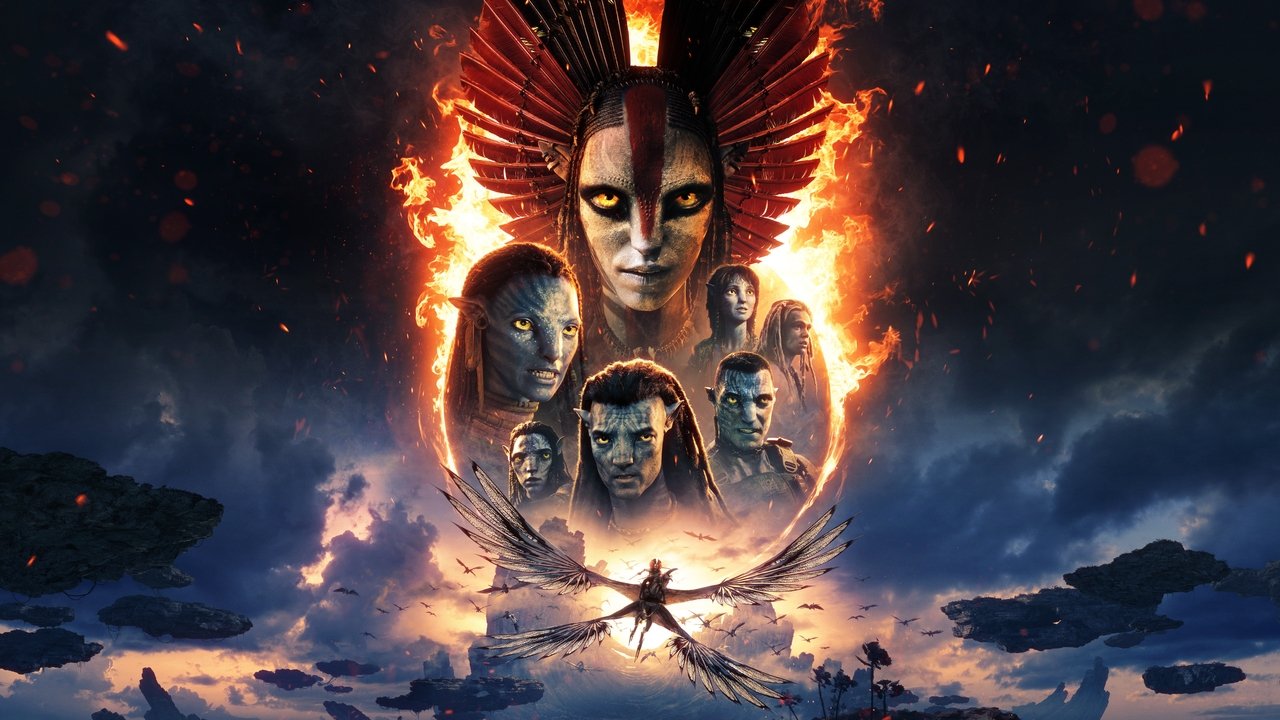

- Genre: Science Fiction, Adventure, Fantasy
- Director: James Cameron
- Year: 2025
- Runtime: 3h 18m
- Language: English (EN)
- TMDB Rating: ⭐ 7.5/10
Movie Overview
In Avatar: Fire and Ash, Jake Sully and Neytiri are grappling with an unimaginable loss — their eldest son. As they mourn, a new threat emerges: the Ash People, a ruthless Na'vi clan led by Varang. This sets the stage for an emotional and physical battle that pushes the family to their limits. What intrigued me most was how the film weaves together personal stakes and world-building, creating a sense of urgency as the Sully family must defend both their home and their legacy.
The pacing fluctuates early on, with drawn-out scenes of mourning that sometimes overshadow the narrative drive. However, once the Ash People are introduced, the action kick-starts the plot and pulls the viewer into a gripping conflict. The Sully family's dynamic shines, showcasing both their strengths and vulnerabilities in the face of adversity. In a pivotal moment, Jake’s leadership is tested as he must navigate the fine line between protecting his family and confronting the violent ideology of the Ash People.
As the film progresses, the stakes are raised significantly. The emotional arc of Jake and Neytiri deepens, emphasizing their commitment to each other and their children. A critical scene in the second act has Neytiri confronting Varang, revealing her fierce determination and love. Yet, I kept waiting for the film to explore some of its themes more thoroughly — it often hints at deeper lessons but doesn't delve enough into them.
In the end, Fire and Ash culminates in a visually stunning climax that feels both expansive and personal. The film leaves you questioning the lengths one would go to for family, but at times, it feels like a rehash of familiar themes without enough innovation.
Direction & Cinematography
James Cameron's direction in Avatar: Fire and Ash is visually impressive, as expected, but some choices feel repetitive compared to previous installments. One stunning shot captures the lush landscapes of Pandora as the camera glides through the waterfalls — it’s a visual feast that reminded me why I admire Cameron’s world-building. What struck me was how he frames the emotional moments; for instance, during a family discussion, the camera lingers on Jake’s face, capturing the weight of his grief.
Pacing is hit-or-miss. The first act feels overly long, with numerous sequences dedicated to exposition that sometimes drag on. But once we meet the Ash People, the urgency intensifies, propelling the film into a series of thrilling action set pieces. Cameron excels in staging these scenes, effectively utilizing the expansive environments to heighten the tension. Yet, I wondered why he didn’t take more risks with the tone — a more varied emotional landscape could have enriched the story.
On rewatch, I noticed that while the visuals are breathtaking, the script often relies too much on spectacle. There are countless visuals that feel like they’re designed to dazzle rather than serve the story. Cameron's penchant for action can distract from character development, leaving some emotional arcs feeling undercooked. It’s a beautiful film, no doubt, but one that could have taken its time to explore the quieter moments more deeply.
Cast & Performances
Sam Worthington as Jake Sully brings a grounded quality to his character amidst the fantastical elements around him. His physicality is particularly striking during fight sequences, where his body language communicates both strength and vulnerability. However, I felt that some of his emotional reactions, particularly in the aftermath of loss, could have been more nuanced — it felt like he was holding back at times.
Zoe Saldaña’s Neytiri, on the other hand, is a powerhouse. Her performance shines during moments of fierce emotional conflict, especially in the scene where she confronts Varang. Her voice catches, and you can see the pain and fury bubbling just beneath the surface, making for a compelling watch. Saldaña truly embodies Neytiri’s warrior spirit while also offering glimpses of her maternal side.
Sigourney Weaver returns with a surprising twist as a new character tied to the Sully family. Her presence adds depth and gravitas, especially in scenes where she imparts wisdom to the younger Na'vi. Yet, I’ll admit I didn’t expect her character to have such a limited arc; it bothered me slightly that she faded into the background when she could have been more central to the story.
Character Psychology
Jake wants to protect his family and secure their future on Pandora, but he also struggles with the weight of leadership. He often appears conflicted, juggling the need for strength and the desire for connection with his family. Ultimately, he needs to confront not just the Ash People, but his own fears about leadership and loss.
Neytiri, fiercely loyal and nurturing, wants to fight for their survival, yet she also yearns for healing. She starts as a protector, but through the conflict, it becomes clear that she needs to confront her own grief more directly. By the end, they both evolve, but it feels like they could have done so much more if the script allowed for deeper exploration of their struggles.
Themes & Emotional Depth
At its core, Avatar: Fire and Ash dives into the complexities of family and the lengths one will go to protect it. The relationship between Jake and Neytiri showcases the tension between their roles as warriors and parents. In a crucial scene where they discuss their fears, the film subtly emphasizes that personal sacrifice is often necessary for the survival of the collective.
Moreover, there's a palpable commentary on power dynamics, especially in relation to the Ash People. They represent an escalating conflict not just for resources, but for control over what it means to belong. This theme resonates during Jake’s leadership trials, prompting the audience to question how much power one should wield, even in the name of protection.
Memorable Scenes & Dialogue
One standout scene occurs in the middle of the film when Neytiri confronts Varang. The intensity in her voice, combined with the visual backdrop of a burning forest, creates a chilling atmosphere. This moment encapsulates her inner turmoil and makes her motivations clear.
Another memorable moment is the family’s night-time gathering under Pandora’s bioluminescent flora. The cinematography is striking, but it’s the quiet exchange of memories that adds depth. Jake’s recounting of past battles relates back to their current struggle and showcases the film’s focus on legacy.
And then there’s the final battle scene, where the stakes feel palpable — it’s chaotic yet choreographed impeccably. The action flows seamlessly, making it a gratifying payoff for all that’s come before.
The Ending — Does It Deliver?
The final act of Avatar: Fire and Ash delivers both spectacle and emotional weight, culminating in a showdown where Jake and Neytiri's bond is tested to its limits. The stakes feel earned, as Cameron intertwines their personal conflicts with larger thematic elements. However, I kept waiting for a twist that never quite arrived; it felt predictable despite the grandeur of the visuals.
The closing shot, which pans away from the aftermath of the battle, left me with a bittersweet feeling. What stayed with me after the credits was the realization that while they survived, the emotional toll may take longer to heal. It’s an ending that resonates, though it lacks the punch necessary to feel truly groundbreaking.
What Works
The visuals in Avatar: Fire and Ash are a standout element, particularly the bioluminescent forest scenes that elevate the beauty of Pandora. Zoe Saldaña's emotional delivery during Neytiri’s confrontation with Varang packs a punch, showcasing her character's depth. The staging of the final battle scene is exhilarating, blending action with personal stakes, which keeps the audience engaged. This combination of breathtaking imagery and emotional beats makes it worth watching for fans of the franchise.
Honest Criticism
The Ash People subplot feels underdeveloped and sometimes distracts from the central conflict. Varang, played by a capable actor, often comes off as a one-dimensional antagonist with little backstory, making the stakes feel less impactful. I also noticed that certain emotional moments are rushed, leaving viewers wanting more depth and development in key character arcs, especially for Jake and Neytiri’s children. This lack of focus on their evolution can detract from the film's overall effectiveness.
How It Compares
Comparing Avatar: Fire and Ash to films like Dune (2021) and The Lord of the Rings trilogy, it’s evident that Cameron’s film excels in visual grandeur and world-building. The imaginative landscapes of Pandora offer a breathtaking spectacle that sets it apart. However, it falls short in character development, especially when juxtaposed with Dune's layered storytelling and emotional arcs.
While both predecessors incorporate epic battles and compelling characters, Fire and Ash sometimes relies too heavily on visual allure at the expense of depth. This imbalance can leave viewers yearning for a more intricate narrative, similar to what was found in those beloved epics.
Legacy & Cultural Impact
As a follow-up in the Avatar franchise, Fire and Ash has garnered mixed reviews, holding a solid TMDB rating of 7.5/10. Its box office performance has been impressive but not groundbreaking, sparking discussions about how it fits within the larger narrative of the series. The visual effects continue to set a high bar, but the dialogue around its narrative depth — or lack thereof — is one that cinema-goers will debate for years to come.
This film also reignites conversations about technology in filmmaking and the environmental themes prevalent in Cameron's work. It serves as a reminder of the ongoing dialogue about our relationship with nature, though some critics argue it doesn’t push far enough in exploring these ideas.
Behind the Scenes
Interestingly, there were last-minute casting decisions for the Ash tribe, with Oona Chaplin stepping in for a different actress right before filming began. The budget for visual effects exceeded expectations, leading to some team members working overtime to meet deadlines. Additionally, one scene that became very popular among test audiences was improvised during filming, where Neytiri recounts a traditional Na'vi story about loss, injecting unplanned depth into her character.
Who Should Watch It?
Viewers who appreciate stunning visuals and epic battles will likely love Avatar: Fire and Ash, especially fans of the original franchise. However, those seeking deep character development and a nuanced narrative might want to skip it, as it often prioritizes spectacle over substance.
Final Verdict
Avatar: Fire and Ash delivers spectacular visuals and a familiar yet engaging storyline, but it falters in character depth. While the cinematography is breathtaking, the script doesn't always measure up. If you're a fan of visually-driven narratives, this film is worth your time — but don't expect groundbreaking insights into its characters or themes.
More details, ratings, and cast information on IMDb, TMDB, Wikipedia. YouTube