- 1Movie Overview
- 2Direction & Cinematography
- 3Cast & Performances
- 4Character Psychology
- 5Themes & Emotional Depth
- 6Memorable Scenes & Dialogue
- 7The Ending — Does It Deliver?
- 8What Works
- 9Honest Criticism
- 10How It Compares
- 11Legacy & Cultural Impact
- 12Behind the Scenes
- 13Who Should Watch It?
- 14Final Verdict

- Genre: Drama, Horror
- Director: Tim Burton
- Year: 2007
- Runtime: 1h 56m
- Language: English (EN)
- TMDB Rating: ⭐ 7.2/10
Movie Overview
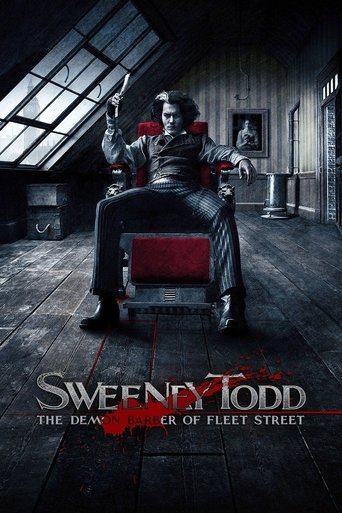
Benjamin Barker returns to London as Sweeney Todd after years of wrongful imprisonment, hellbent on revenge against Judge Turpin who destroyed his life. What starts as a personal vendetta spirals into something far darker when Mrs. Lovett suggests a horrifically practical use for his victims. The film walks a tightrope between tragic opera and slasher film, with every song driving the violence forward rather than pausing it.
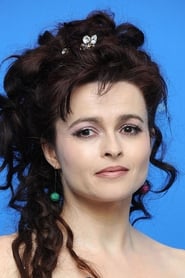
Helena Bonham Carter's Mrs. Lovett provides the twisted heart of the story, her infatuation with Sweeney blinding her to the monstrosity they're creating together. Their duet 'A Little Priest' is both hilarious and horrifying, turning cannibalism into a jaunty business proposition. Meanwhile, young sailor Anthony's subplot with Turpin's ward Johanna feels almost quaint by comparison — until it doesn't.
The barber chair's mechanics deserve their own horror award. That chute. That sound.
By the third act, the blood flows as freely as the melodies, building to an ending that feels inevitable yet still lands like a hammer blow. Burton doesn't shy away from Stephen Sondheim's bleakest impulses — if anything, he amplifies them with every crimson splash across the monochrome London set.
Direction & Cinematography
Tim Burton's direction here is his most disciplined in years. The film's washed-out color palette makes the blood stand out shockingly, but it's not just for show — it mirrors Sweeney's worldview where only vengeance has color. Notice how the camera lingers on empty streets and shadowy corners, turning Victorian London into a ghost town waiting for its butcher.
What surprised me most was Burton's restraint with the musical numbers. There are no flashy edits during songs — just steady, creeping shots that let the horror of the lyrics sink in. The 'Epiphany' sequence, where Sweeney snaps fully into madness, uses a single unbroken take on Depp's face as the realization dawns.
But I'll admit I didn't expect the violence to feel so abrupt. The throat slittings happen suddenly, almost casually, which at first seemed jarring — until I realized that's exactly how they'd feel to the victims. No dramatic buildup, just a razor's whisper and darkness.
Cast & Performances
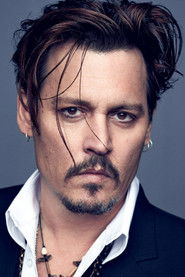
Johnny Depp's Sweeney moves like a sleepwalker who only wakes when holding a razor. His singing voice isn't classically trained, but that works — there's something raw and uncomfortable about his delivery that fits a man whose humanity has been scraped away. Watch how he touches his instruments with more tenderness than he ever shows people.
Helena Bonham Carter makes Mrs. Lovett tragic where she could've been cartoonish. Her little gestures — wiping flour on her apron, that desperate kiss attempt — show a woman clinging to normalcy while elbow-deep in atrocity. Though I did wish we'd seen more of her calculating side from the stage version.
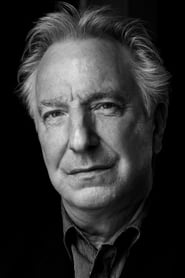
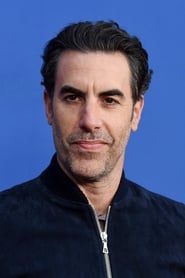
Alan Rickman's Judge Turpin oozes privileged cruelty, but it's Sacha Baron Cohen who steals his scenes as rival barber Pirelli. His flamboyant Italian accent and sudden switch to Cockney thuggery gives the film its only moments of genuine comedy before things go fully dark.
Character Psychology
Sweeney wants revenge, but what he needs is to feel something — anything — besides the all-consuming rage that's hollowed him out. His tragedy is that by the time he could reclaim his humanity, he no longer recognizes it. The moment he sings 'There's a hole in the world like a great black pit' isn't metaphor to him — it's literal.
Mrs. Lovett thinks love will fix him. It's her fatal miscalculation. She reshapes her entire world to accommodate his madness, not realizing she's just another tool in his hands.
Themes & Emotional Depth
This is a story about how systems grind people into meat — sometimes literally. The industrial revolution backdrop isn't accidental; Sweeney's murder factory mirrors the dehumanizing factories rising across London. When he sings 'They all deserve to die', it's the bitter punchline to a society that treats lives as disposable.
The film's most unsettling truth is how easily horror becomes routine. The more bodies Sweeney and Lovett process, the more their songs take on the rhythm of assembly line work. Burton lingers on the mundane details — sweeping hair, sharpening blades — until they feel as sinister as the killings themselves.
Memorable Scenes & Dialogue
The 'Johanna' quartet layers four conflicting perspectives into one song — Sweeney's obsession, Anthony's love, Turpin's lust, and the Beggar Woman's warnings — creating unbearable dramatic irony as their stories collide. The staging keeps all parties just out of each other's sightlines, making their eventual meetings inevitable.
Mrs. Lovett's fantasy sequence 'By the Sea' bursts with sudden color and life, showing the delusion she's clinging to. The way it cuts abruptly back to grey reality is like waking from a dream.
That final shot of the bloodied barber's chair, now just another piece of furniture in an uncaring world, stayed with me for days. No music, no commentary — just the weight of everything that happened there.
The Ending — Does It Deliver?
The ending feels both shocking and inevitable, which is the hardest trick for any tragedy to pull off. What surprised me most wasn't the body count, but how quietly some key moments play out — a recognition, a touch, a realization — before the final violence erupts.
I wasn't expecting much emotional impact given the operatic style, but that last scene between Sweeney and Mrs. Lovett genuinely got to me. Burton holds on their faces just long enough for the horror of mutual understanding to set in before the furnace does its work.
What Works
The production design creates a London that feels both theatrical and suffocatingly real. Dante Ferretti's sets tilt at impossible angles, like a nightmare version of Dickens. The barbershop's gleaming tools against grimy walls epitomize Sweeney's twisted professionalism. Depp's physicality — especially how he handles his razors — sells the character better than any dialogue could. And the decision to keep the blood bright red in an otherwise desaturated world makes every kill feel freshly shocking, even as they become routine.
Honest Criticism
The Johanna-Anthony subplot feels undercooked compared to the main story. Their songs are pretty but lack the visceral impact of Sweeney's numbers. Some of the CGI backdrops during outdoor scenes haven't aged well, particularly the opening boat sequence. And while the film generally earns its grim tone, the asylum sequence with Turpin pushes into gratuitous territory that feels more exploitative than the rest of the carefully crafted horror.
How It Compares
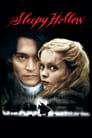
Compared to other Burton-Depp collaborations like Sleepy Hollow or Corpse Bride, this is far less whimsical — it's Burton's only true horror film. The closest relative might be his underrated Sondheim adaptation Into the Woods, but where that found hope in darkness, this drowns in it.
Against other screen musicals like Chicago or Les Misérables, Sweeney Todd wins on sheer audacity but loses some musical polish. Depp and Carter aren't Broadway-caliber singers, though their acting choices compensate. The film's unrelenting grimness makes it a tougher sell than most musicals, but also more memorable.
Legacy & Cultural Impact
The film earned three Oscar nominations (including Best Actor for Depp) and won for Best Art Direction, cementing its visual distinctiveness. It underperformed commercially, likely due to its bleakness, but has grown in esteem as one of Burton's last great films before his style became self-parody.
Its influence appears in later horror musicals like Repo! The Genetic Opera, though none match Sweeney Todd's seamless blend of genres. The stage revival's popularity owes much to this film's cult following.
Behind the Scenes
- Johnny Depp learned to play the razor like a guitar, incorporating the flipping motions into his performance. 2. The fake blood used was a special formula that dried quickly to avoid staining costumes — they went through 250 gallons. 3. Christopher Lee was originally considered for Judge Turpin before Alan Rickman took the role.
Who Should Watch It?
Musical theater fans who don't mind their showtunes drenched in blood will adore this. Likewise, horror fans open to operatic storytelling will find much to appreciate. Those who need clear heroes or dislike stylized violence should steer clear — this is a bitter pill with no sugar coating.
Final Verdict
Sweeney Todd remains Burton's most daring film, a marriage of his gothic instincts with genuinely challenging material. The 8.2 rating reflects its uneven elements, but when it works, it's unforgettable. Depp and Bonham Carter commit fully to the macabre romance at the story's core. See it for the 'A Little Priest' sequence alone — a masterclass in how to make horror funny until suddenly it's not. Just maybe not before dinner.
More details, ratings, and cast information on IMDb, TMDB, Wikipedia. YouTube