- 1Movie Overview
- 2Direction & Cinematography
- 3Cast & Performances
- 4Character Psychology
- 5Themes & Emotional Depth
- 6Memorable Scenes & Dialogue
- 7The Ending — Does It Deliver?
- 8What Works
- 9Honest Criticism
- 10How It Compares
- 11Legacy & Cultural Impact
- 12Behind the Scenes
- 13Who Should Watch It?
- 14Final Verdict
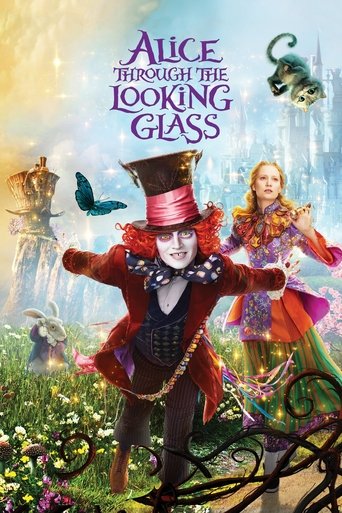
- Genre: Adventure, Family, Fantasy
- Director: James Bobin
- Year: 2016
- Runtime: 1h 53m
- Language: English (EN)
- TMDB Rating: ⭐ 6.6/10
Movie Overview
Alice Kingsleigh is back in Underland, and her friend the Mad Hatter is in bad shape. He’s been struck by a strange illness, and the only cure is a magical device called the Chronosphere. It can manipulate time, which sends Alice racing against the clock.
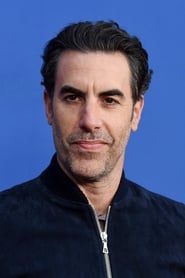
That quest pulls her into the past, where family secrets and old grudges surface. Time himself, played by Sacha Baron Cohen, complicates things with a mix of urgency and existential weight.
What begins as a rescue mission turns into something bigger—about forgiveness and the fact that nothing stays the same. Alice’s decisions echo across timelines, touching everyone she loves.
But the story stumbles now and then, and you start to wonder if the emotional payoff justifies the journey.
Direction & Cinematography
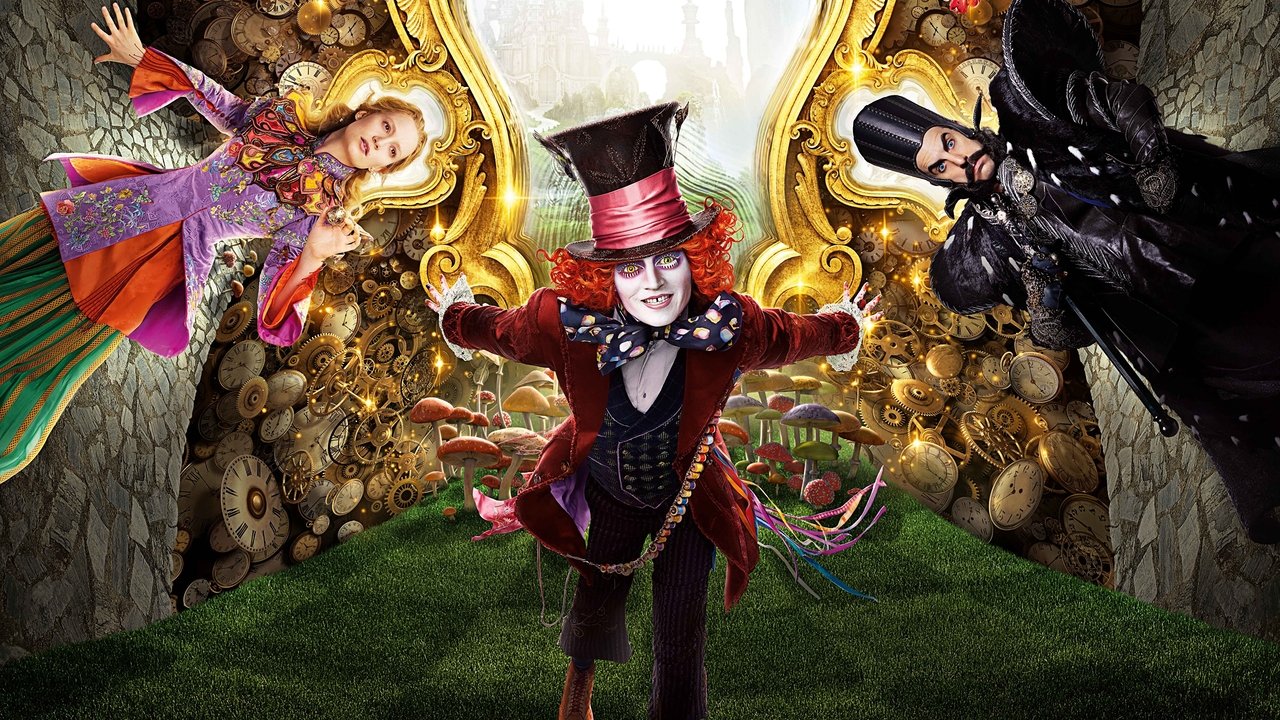
James Bobin takes over from Tim Burton, and the results are uneven. The movie looks gorgeous—swirling colors, intricate designs. When the Chronosphere first appears, gears and clocks fill the frame, and Bobin’s eye for detail is clear.
Pacing is a problem. The middle drags, weighed down by exposition and flashbacks. I kept hoping for momentum, but it never really arrives.
What struck me was how Bobin handles Time. Sacha Baron Cohen swings between comedy and poignancy, and the direction highlights that tension. Still, the tone jumps from whimsical to somber without much warning.
Cast & Performances
Mia Wasikowska keeps Alice grounded and believable. Her stubbornness feels real, especially when she faces off with Time. The quieter moments—thinking about her family—give the role some depth.
Johnny Depp’s Mad Hatter is calmer than in the first movie. He’s still entertaining, but the spark isn’t quite there. His emotional scenes, however, do land.
Anne Hathaway’s White Queen doesn’t get much to work with. She adds charm, but the script neglects her. Helena Bonham Carter’s Red Queen, on the other hand, steals every scene with her wild delivery and physical comedy.
Character Psychology
Alice wants to save the Hatter, but she really needs to face her own fear of loss and change. The time travel forces her to confront that, even if she doesn’t see it right away.
Her growth is uneven, though. She learns to accept the past by the end, but the movie never shows how that changes her. The script stops short of digging deeper.
Themes & Emotional Depth
The movie plays with time as both healer and destroyer. Alice messing with the Chronosphere makes her deal with the fallout, and it underscores how fragile everything is.
Family dynamics matter too. The bad blood between the Red Queen and the White Queen mirrors Alice’s own broken family. These ideas are compelling, but the visuals often drown them out.
Memorable Scenes & Dialogue
Time’s castle is a highlight. The production design is incredible—towering gears, ticking clocks, a real sense of urgency and wonder. Sacha Baron Cohen’s deadpan delivery keeps it funny.
Alice’s showdown with the Red Queen is another standout. Helena Bonham Carter’s over-the-top face and voice make it hilarious and touching at once. Her line, ‘It’s better to be feared than loved,’ stays with you.
The last shot of Alice sailing away is pretty, but it’s too neat. Beautiful image, but it doesn’t hit as hard as it should.
The Ending — Does It Deliver?
The climax depends on Alice giving back the Chronosphere and accepting the past. It’s earned, but rushed. The emotional weight of that choice never gets fully explored, so the resolution feels incomplete.
What surprised me is how fast it wraps. After such a big journey, the ending feels abrupt, like they didn’t know how to close Alice’s story. The final shot is striking, but it left me wanting more.
What Works
The visuals are stunning, especially the Chronosphere scenes. Mia Wasikowska keeps Alice relatable even when everything around her is crazy. Sacha Baron Cohen’s Time brings humor and existential dread in equal measure.
Helena Bonham Carter’s Red Queen is still a highlight—funny and sad at the same time.
Honest Criticism
The middle section drags and slows the story. Johnny Depp’s Mad Hatter isn’t as vibrant as before. And the ending, though pretty, feels rushed and emotionally flat.
How It Compares
Next to Tim Burton’s ‘Alice in Wonderland,’ this sequel feels less cohesive. Burton’s movie had its flaws, but it had a clearer drive and purpose.
‘Maleficent’ balances spectacle with emotional depth more gracefully. This one tries the same but gets weighed down by its own ambition.
Visually, it beats both, but the story can’t keep up.
Legacy & Cultural Impact
When it came out, ‘Alice Through the Looking Glass’ got lukewarm reviews and modest box office numbers. It never caught on the way the first one did.
Its legacy is visual, not narrative. It shows what modern CGI can do, but it’s not going to be a classic.
Behind the Scenes
Johnny Depp’s Mad Hatter costume went through several redesigns to show his declining condition. The final version had faded colors and frayed edges.
The Chronosphere was based on real astronomical clocks; the filmmakers studied ancient mechanisms to get it right.
Time’s castle scenes were shot in England, with heavy green screen work to add the fantastical touches.
Who Should Watch It?
If you like fantasy films that lean on visuals, you’ll enjoy the spectacle. Families after a whimsical adventure might get a kick out of it.
Those seeking a tight story or real emotional depth should look elsewhere.
Final Verdict
‘Alice Through the Looking Glass’ dazzles visually, but the story never quite clicks. Mia Wasikowska and Helena Bonham Carter help lift the material.
The pacing and rushed ending hurt the whole. If you liked the first one, it’s worth a look—just don’t expect it to top that.
More details, ratings, and cast information on IMDb, TMDB, Wikipedia. YouTube