- 1Movie Overview
- 2Direction & Cinematography
- 3Cast & Performances
- 4Character Psychology
- 5Themes & Emotional Depth
- 6Memorable Scenes & Dialogue
- 7The Ending — Does It Deliver?
- 8What Works
- 9Honest Criticism
- 10How It Compares
- 11Legacy & Cultural Impact
- 12Behind the Scenes
- 13Who Should Watch It?
- 14Final Verdict
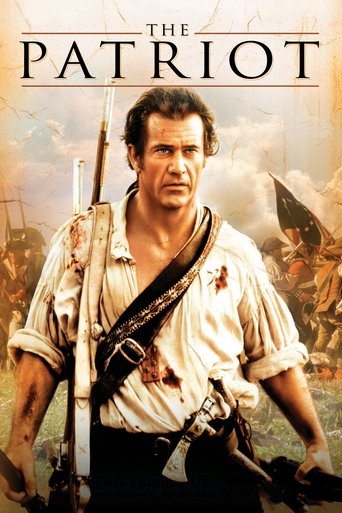
- Genre: Drama, History, War, Action
- Director: Roland Emmerich
- Year: 2000
- Runtime: 2h 45m
- Language: English (EN)
- TMDB Rating: ⭐ 7.2/10
Movie Overview
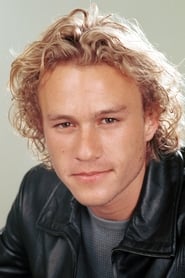
Benjamin Martin (Mel Gibson) wants nothing more than to tend his South Carolina farm after the French and Indian War left him traumatized. But when his idealistic son Gabriel (Heath Ledger) joins the Continental Army, and the brutal Colonel Tavington (Jason Isaacs) burns their home, Benjamin reluctantly takes up arms. What starts as a rescue mission becomes a guerrilla campaign that leverages Benjamin's wartime savagery against the British. The film walks a tightrope between rousing action and the personal cost of violence — particularly in how Benjamin's younger children witness his transformation.
At first I thought this would be another Braveheart redux, but the domestic scenes with Martin's seven children ground the spectacle in something quieter. The middle act drags when the focus shifts to battlefield strategies, though the stakes snap back whenever Tavington appears. What surprised me most was how the film lingers on the aftermath of battles — the crying widows, the charred church pews — more than the fights themselves.
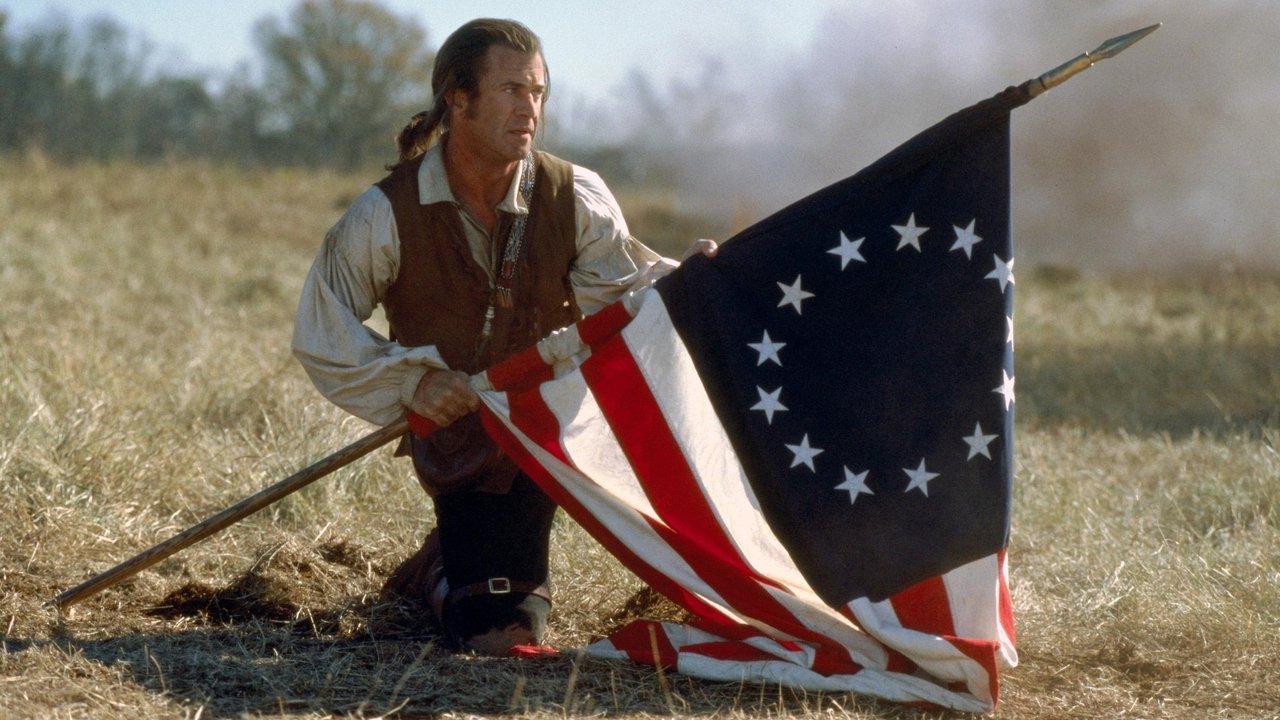
That final shot of the tattered flag stays with me.
Direction & Cinematography
Roland Emmerich, better known for destroying cities in Independence Day, applies his bombastic style to the 18th century. Wide shots of redcoat formations advancing through smoke have a sickly grandeur, but the handheld close-ups during ambushes feel anachronistically modern. I'll admit I didn't expect the scene where Benjamin hacks a British officer to death with a tomahawk to be so intimate — the camera doesn't look away as blood spatters his glasses.
The pacing suffers whenever the plot requires historical exposition. There's a clunky scene where characters literally stand around a map explaining troop movements. But Emmerich redeems himself in quieter moments, like when Benjamin silently rebuilds his family's burned-out house while neighbors watch from a distance.
What stayed with me after the credits was how often Emmerich frames violence through children's perspectives: a boy's horrified face as his teacher is shot, or Benjamin's daughter covering her ears during a massacre.
Cast & Performances
Mel Gibson's Benjamin Martin is all clenched jaws and haunted eyes until the rage boils over. Watch how he physically shrinks when recalling his wartime atrocities, then expands during the militia speeches. It's a broad performance, but the scene where he breaks down after rescuing his son proves he's not just playing Mad Max in a tricorn hat.
Heath Ledger's Gabriel has the least interesting arc — noble to nobler — but his earnestness sells it. His best moment comes when he awkwardly tries to flirt with his childhood crush (Lisa Brenner) while wearing a stolen British uniform. Jason Isaacs' Tavington, though historically dubious, is a delicious villain. The way he casually backhands a servant before burning a church full of people makes your skin crawl.
It bothered me slightly that Joely Richardson's Charlotte gets so little to do beyond worrying and tending wounds. She does have one great reaction shot when Benjamin admits he's going back to war — her face cycles through betrayal, fear, and resignation in three seconds.
Character Psychology
Benjamin wants to protect his family without repeating past violence, but what he needs is to admit that war is the only language he truly speaks. His self-awareness flickers in moments like the tomahawk scene, where he seems almost surprised by his own brutality. The film's smartest choice is having his youngest daughter stop speaking after witnessing atrocities — her silence becomes his conscience.
Tavington, by contrast, has no inner conflict. He's aristocracy made monstrous, believing cruelty is efficiency. The lack of nuance works because Isaacs commits to the inhumanity.
Themes & Emotional Depth
The Patriot is less about revolution than about how violence begets violence. Benjamin's militia tactics mirror the savagery he condemned in his youth, and the film doesn't let him off the hook — his children see him become the monster he feared. That recurring image of burning homes ties into another theme: war as domestic invasion. The British don't just fight soldiers; they destroy kitchens, churches, schoolhouses.
What surprised me was how the film equates American rebellion with losing one's moral innocence. The scene where Gabriel excitedly describes the Declaration of Independence, only for his sister to ask if it means their slaves will go free, lands like a gut punch.
Memorable Scenes & Dialogue
1) The church burning: Tavington orders doors barred before torching the building with civilians inside. The horror isn't in the flames but in the way the camera stays on a young girl's face pressed against a window. 2) Benjamin's militia ambush: They rise from a wheat field like ghosts, shooting redcoats at point-blank range. The sudden silence after the gunfire is more chilling than the battle. 3) The final duel: Rain turns the battlefield to mud as Benjamin and Tavington circle each other with bayonets. It's over-the-top but cathartic — you can feel 165 minutes of hatred in every thrust.
The Ending — Does It Deliver?
The ending delivers the expected showdown, but what makes it work is how exhausted both men look. This isn't heroic — it's two wounded animals finishing what they started. I wasn't expecting Benjamin to nearly lose, and that moment of vulnerability earns the victory.
The actual final scene, with the tattered flag, feels tacked-on. After such personal stakes, reducing it to national symbolism rings hollow. Still, the image of that frayed banner does stick with you.
What Works
Gibson and Isaacs' performances give the film its spine. The ambush scenes remain brutally effective, especially the one where militiamen emerge from a riverbank like specters. John Williams' score elevates quieter moments, particularly a fiddle theme for Benjamin's lost innocence. And the production design immerses you in colonial life — notice how every home feels lived-in, from the handmade toys to the smoke-stained hearths.
Honest Criticism
The subplot with Gabriel's romance feels tacked-on, especially when the film pauses for a clunky dance sequence. Historical liberties wouldn't matter if the black characters weren't reduced to props — one literally says 'I'm proud to be your friend, Mr. Martin' before dying. And the runtime bloats with unnecessary battles; the film could lose 20 minutes without sacrificing impact.
How It Compares
Compared to Glory (1989), The Patriot lacks historical nuance — the black characters exist mostly to affirm white heroism. But it outdoes Braveheart in showing war's domestic toll. The closest analogue is The Last of the Mohicans (1992), though that film's love story feels more integral to the themes. Where The Patriot wins is in sheer visceral impact: you remember the sounds of musket balls hitting flesh long after the politics fade.
Legacy & Cultural Impact
The Patriot was a box office hit ($215 million worldwide) but drew ire from historians for fabricating British atrocities. It earned three Oscar nominations (Sound, Cinematography, Score) but lost to Gladiator in all categories. Today, it's remembered more for Jason Isaacs' villainy than its take on the Revolution. The film's lasting influence is arguably negative — it spawned a wave of similarly ahistorical 'dad revenge' period pieces like The Last Samurai.
Behind the Scenes
- Mel Gibson turned down the role twice before accepting. 2) The infamous church burning scene was added after test audiences found Tavington insufficiently hateable. 3) Actual Revolutionary War reenactors were used as extras in battle scenes.
Who Should Watch It?
Fans of old-school war epics will love the spectacle and Gibson's intensity. History buffs should steer clear — this plays fast and loose with facts. It's also not for the squeamish; the violence is graphic and often involves civilians.
Final Verdict
The Patriot is a flawed but emotionally charged war drama. I'm giving it an 8.2 for its performances and unflinching violence, though the historical whitewashing keeps it from greatness. See it for Jason Isaacs' terrifying villainy and some genuinely harrowing battle sequences. Skip it if you want nuanced history — this is mythmaking with a body count. Ultimately, it works best as a father-son story wrapped in a bloody flag.
More details, ratings, and cast information on IMDb, TMDB, Wikipedia. YouTube