- 1Movie Overview
- 2Direction & Cinematography
- 3Cast & Performances
- 4Character Psychology
- 5Themes & Emotional Depth
- 6Memorable Scenes & Dialogue
- 7The Ending — Does It Deliver?
- 8What Works
- 9Honest Criticism
- 10How It Compares
- 11Legacy & Cultural Impact
- 12Behind the Scenes
- 13Who Should Watch It?
- 14Final Verdict
- Genre: Action, Science Fiction, Thriller
- Director: Joe Carnahan
- Year: 2021
- Runtime: 1h 41m
- Language: English (EN)
- TMDB Rating: ⭐ 6.9/10
Movie Overview
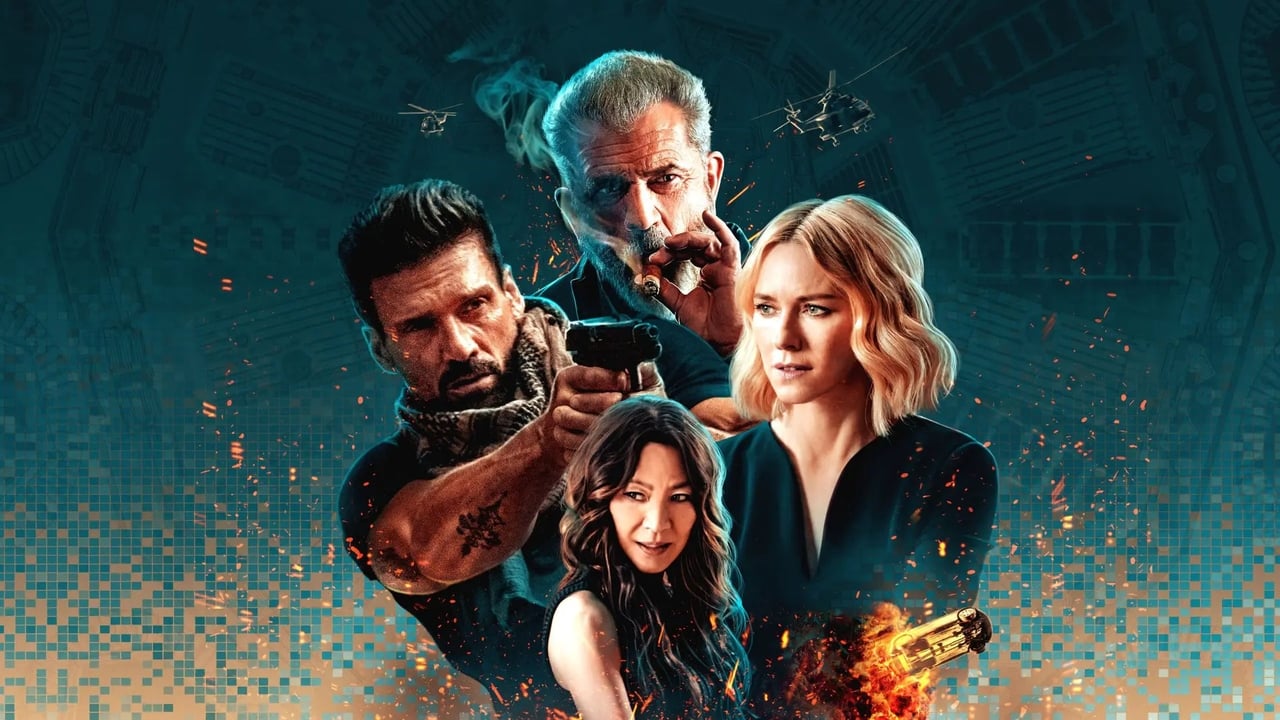
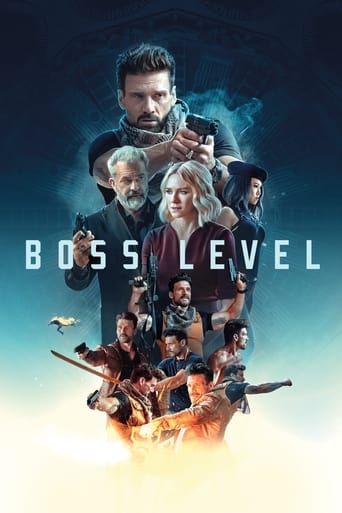
In Boss Level, Frank Grillo stars as Roy Pulver, a former special forces agent caught in a brutal time loop where he relives his violent death every day. The film kicks off with a chaotic montage of Roy being brutally murdered by various assassins. At first, everything seems mindless, and I wasn't expecting much beyond the action. However, the deeper layers of his predicament soon unfold, revealing a quest for revenge against the people responsible for his nightmare. What lasts beyond the explosive action is the emotional thread tying Roy to his estranged wife, Jemma, played by Naomi Watts. As Roy fights to escape his repetitive fate, his journey becomes as much about repairing broken relationships as it is about survival.
The central conflict intensifies as Roy learns to manipulate the loop, gaining skills and knowledge with each reset. Ultimately, he wants to take down the villain, a tech mogul named Eric (Mel Gibson), who orchestrates his suffering. This cat-and-mouse game between Roy and Eric drives the film, with Roy's character arc compellingly evolving from a disillusioned man seeking to end his own life to a desperate hero fighting not just for himself, but for a second chance to connect with his family. I kept waiting for the emotional stakes to drop, but they surprisingly remained intact throughout.
Each death Roy endures grows increasingly creative and absurd, injecting humor alongside the action, which kept me on my toes. There’s a palpable sense of dread when he faces off against assassins like the deadly 'Hitman' (Will Sasso) and others, but also a thrilling anticipation of how he might outsmart them next. The final act gathers momentum as Roy pieces together his memories, risking everything to finally confront Eric. The stakes soar, and I couldn’t help but feel invested in Roy's fate. Will he ever find peace?
Ultimately, Boss Level shines through its blend of action, humor, and emotional depth, capturing the absurdity of its premise. The film's approach to time-loop storytelling adds layers of intrigue that elevate it beyond simple action fare. What stayed with me after the credits was a profound appreciation for the balance of ridiculousness and genuine connection.
Direction & Cinematography
Directed by Joe Carnahan, Boss Level embraces a frenetic visual style that pairs well with its fast-paced narrative. One scene that stood out was when Roy first wakes up to the chaos of his death; the camera spins around him as he tries to comprehend his surroundings, immersing us in his disorientation. The direction keeps the energy high, reflecting the film's playful yet dark tone. I noticed that each action sequence is skillfully crafted to convey both excitement and the monotonous frustration of the time loop. The quick cuts and dynamic angles often mirror Roy's escalating desperation, drawing viewers into his relentless struggle.
While the pacing is relentless, there are quieter moments that allow for reflection, particularly in Roy's interactions with Jemma. These scenes contrast sharply with the frenetic action, providing necessary emotional weight. But I did feel that some of the quieter moments sometimes got overshadowed by the action sequences. Still, the overall direction creates a sense of urgency that keeps the viewer engaged, and I appreciated how Carnahan successfully balances humor with tension.
The film's tone is undeniably self-aware, often leaning into its absurdity. Carnahan cleverly plays with genre conventions, subverting expectations while crafting an entertaining ride. The decision to incorporate comedic elements, particularly through Roy's increasingly ridiculous deaths, surprised me most. Instead of becoming tiresome, this approach enhances the film's charm, making it stand out in the crowded action genre landscape.
Cast & Performances
Frank Grillo's portrayal of Roy is compelling; he embodies a man at his breaking point, desperately clawing for a way out. His physicality is notable, particularly in fight scenes where he balances aggression and vulnerability. A moment that struck me was when he confronts a group of assassins with bravado, only to be caught off guard — this mix of confidence and shock adds depth to his character. Grillo’s line delivery often carries a mix of frustration and humor, which helps ground the absurdity of the plot.
Mel Gibson as Eric plays the villain with a certain charm that makes him stand out. He takes on the role of a charismatic yet menacing antagonist, and I appreciated how he didn't just resort to cliches. A standout moment occurs during his confrontation with Roy, where a simple smirk conveys his confidence. However, I felt his character could have been fleshed out more; a deeper backstory would have heightened the stakes.
Naomi Watts as Jemma is a solid anchor for Roy's emotional journey. Her depth is evident during their poignant exchanges, particularly when she expresses her concern for their son. There’s a scene where she hesitates before revealing critical information about Roy's loop, and her expressions reveal layers of pain and hope. Though I enjoyed her performance, it bothered me slightly that her character felt underutilized. More screen time dedicated to her backstory would have enriched the narrative significantly.
Character Psychology
On the surface, Roy Pulver wants to escape the time loop and the pain of dying repeatedly. He’s driven by a primal instinct to survive, but what he truly needs is closure with his estranged wife and son. Throughout his journey, he grapples with feelings of inadequacy as a father and a man, which adds an emotional weight to his actions. While he seems somewhat self-aware at times, it takes relentless repetition for him to confront his deeper issues. By the end, he has a more profound understanding of his relationships, pushing him toward growth.
Roy’s arc is one of rediscovery. Though trapped in a cycle of death, he learns to embrace the absurdity of his situation. This realization ultimately transforms his perspective, suggesting that sometimes we must confront our past mistakes to move forward. While he does change, I kept waiting for a more explicit acknowledgment of his emotional journey, and while it’s hinted at, it doesn’t delve deep enough into his realizations.
Themes & Emotional Depth
At its core, Boss Level explores the themes of redemption and the cyclical nature of life. The time loop serves as a metaphor for how we often repeat our mistakes until we learn from them. Roy’s journey reflects the struggle between personal desire and responsibility, particularly as he seeks to reconnect with his family while battling existential dread. One scene that encapsulates this theme is when Roy realizes that only by acknowledging his past can he hope to break free from the loop.
Another significant theme is the absurdity of life and death. The film balances its brutal action with dark humor, highlighting how sometimes we must laugh in the face of our mortality. This duality is reflected in Roy’s attitude towards his deaths — he starts off terrified but gradually approaches his predicament with a comedic lens. The way he adapts each time, facing absurd challenges, underscores the idea that life can be as ridiculous as it is serious.
Memorable Scenes & Dialogue
One of the standout scenes occurs early in the film, as Roy is chased through a bustling street before being hit by a car. The staging is chaotic, reflecting his disorientation as he realizes the surreal nature of his situation. It works because it effectively sets the tone for the film — we're in for a wild ride. The humor in the absurdity of his deaths is exhibited perfectly in this moment.
Another memorable moment arises during a confrontation between Roy and Eric in the latter's high-tech lair. The dialogue is sharp, and the power dynamics shift dramatically as Roy gains the upper hand. Grillo's delivery combined with Gibson's calm menace creates a tense atmosphere. It’s an effective culmination of Roy's growth, as he finally takes charge of his fate.
Lastly, when Roy decides to embrace the chaos rather than fight it, it serves as a powerful turning point in his character arc. The action sequence is choreographed brilliantly, showcasing both physical skill and emotional investment. This scene encapsulates the film's core message about embracing life’s unpredictability.
The Ending — Does It Deliver?
The ending of Boss Level feels earned, as it ties together the threads of Roy's journey while leaving room for interpretation. There's a moment of revelation that genuinely surprised me, as it wasn't just about escaping the loop but also about his understanding of family and forgiveness. The final scene left me with a sense of hope, suggesting that the chaos of life, while frustrating, can lead to meaningful connections.
While the resolution might not be perfect, it resonates with the themes presented throughout. Seeing Roy finally break free from his torment while embracing his roles as a father and husband struck a chord with me. The emotional payoff is satisfying, even if there are some unanswered questions about the mechanics of the time loop that could have been explored further.
What Works
Boss Level shines in its approach to action sequences, with each death uniquely conceived and executed. One particular scene where Roy side-steps an attack just before being hit by a car is both humorous and inventive. The performances, especially Grillo's portrayal of an increasingly desperate yet determined character, enhance the narrative's depth. The dynamics between Roy and his estranged wife add a layer of emotional complexity, revealing something more significant than just a survival story. The comedic elements interspersed with the action create an enjoyable viewing experience that keeps the audience engaged.
Honest Criticism
However, the film struggles with pacing in some areas, particularly when shifting between intense action and quieter moments. Some character arcs feel rushed, especially with Naomi Watts’ Jemma, who could have benefited from more development to strengthen her relationship with Roy. The reliance on humor sometimes overshadows the more profound themes the film attempts to tackle, leading to missed opportunities for deeper exploration of its characters' motivations and journeys.
How It Compares
Boss Level can be likened to films like Edge of Tomorrow and Groundhog Day, both of which also tackle time loops and the consequences of repeated actions. However, where Boss Level differentiates itself is through its unique blend of humor and action; it doesn’t take itself too seriously, providing a different flavor compared to the more somber undertones of the others. That said, it sometimes falls short in its execution of these themes, especially when compared to the emotional depth in Edge of Tomorrow.
While it successfully delivers a fun and thrilling experience, it doesn't quite achieve the same level of character development that its peers do. The emotional stakes, although present, feel slightly overshadowed by the relentless action sequences, making it harder to connect on a deeper level compared to similar films that offer more grounded character arcs.
Legacy & Cultural Impact
Boss Level's reception has been mixed, with a TMDB rating of 6.9 reflecting a decent but not outstanding critical response. However, its unique approach to the time-loop trope has sparked conversations about the possibilities within the action genre. Its blend of humor and action in a narrative structure that challenges the traditional storytelling formula has influenced how future films might play with similar concepts. Though it didn't leave a monumental impact, it certainly finds a place as a fun addition to the genre, particularly for fans of action flicks.
In terms of box office performance, it didn't break records but found an audience, particularly among viewers looking for entertainment that doesn’t take itself too seriously. This allows it to stand out in an era where many action films aim for a more serious tone.
Behind the Scenes
Originally, the role of Roy was meant for a different actor, but Frank Grillo was brought on board after production had already begun. The creative team even allowed for some improvisation during key scenes, which helped to enhance the film’s humor. Additionally, the film's budget was relatively modest, so several action sequences were planned to maximize impact without overextending resources. The inclusion of a dog in the film was a late decision that added a comedic yet endearing element during tense moments.
Who Should Watch It?
Fans of action-packed, time-loop narratives will likely enjoy Boss Level, especially viewers who appreciate a blend of humor and chaos in their films. However, those looking for a serious exploration of its themes or well-rounded character development should probably skip this one. Its fast pace and comedic tone might not resonate with every viewer, especially those preferring a straightforward action drama.
Final Verdict
Boss Level is a fun, action-filled ride that successfully combines humor with a unique narrative structure. It offers a fresh take on the time-loop genre, keeping viewers entertained with its inventive sequences and Grillo's engaging performance. However, its shortcomings in character depth may frustrate some. If you’re in the mood for an entertaining escape with a mix of laughs and thrills, this movie is definitely worth your time.
More details, ratings, and cast information on IMDb, TMDB, Wikipedia. YouTube