- 1Movie Overview
- 2Direction & Cinematography
- 3Cast & Performances
- 4Character Psychology
- 5Themes & Emotional Depth
- 6Memorable Scenes & Dialogue
- 7The Ending — Does It Deliver?
- 8What Works
- 9Honest Criticism
- 10How It Compares
- 11Legacy & Cultural Impact
- 12Behind the Scenes
- 13Who Should Watch It?
- 14Final Verdict
- Genre: Drama, History, War
- Director: Richard Attenborough
- Year: 1977
- Runtime: 2h 55m
- Language: English (EN)
- TMDB Rating: ⭐ 7.2/10
Movie Overview
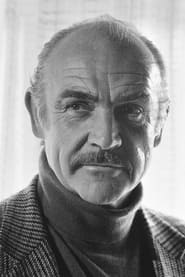
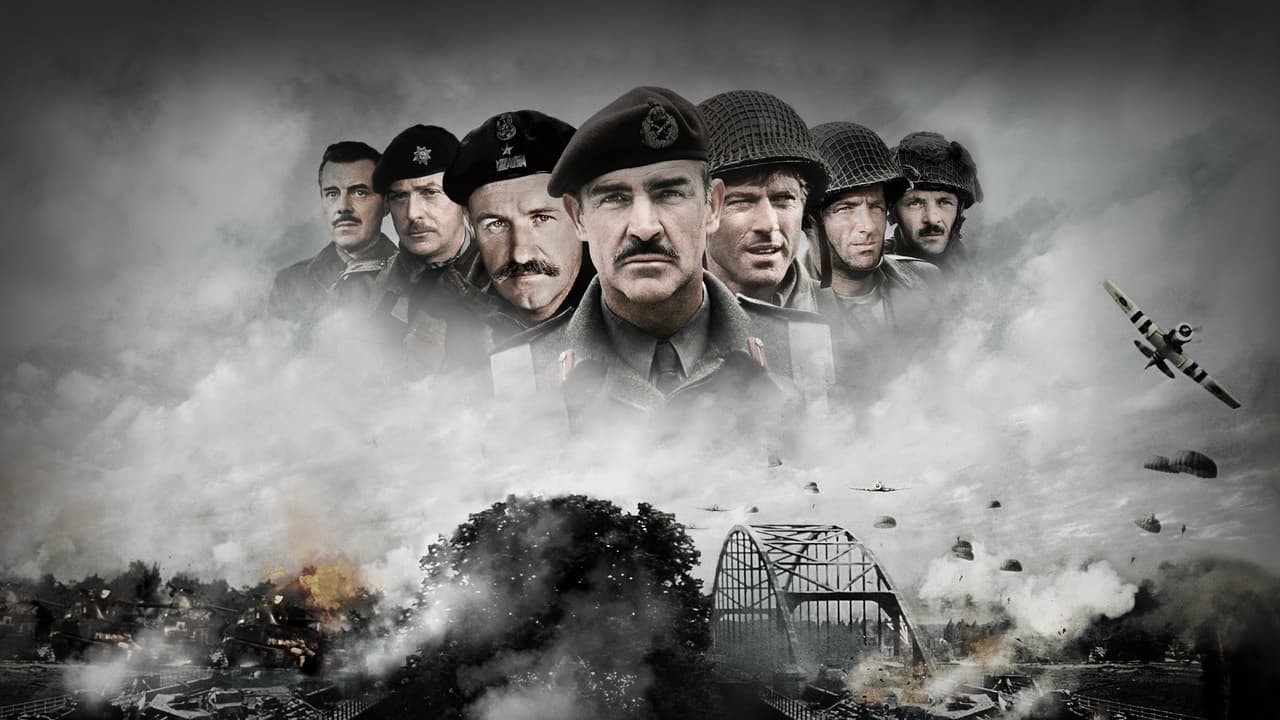
September 1944. The Allies, riding high after their victories in France, cook up a bold scheme to end World War II by Christmas. Operation Market Garden is designed to seize three bridges in Holland, with Arnhem as the final prize, and then push straight into Germany. Major-General Roy Urquhart (Sean Connery) leads the British airborne division, while Lieutenant-Colonel John Frost (Anthony Hopkins) is tasked with holding the critical bridge at Arnhem. Almost immediately, things start going sideways. Intelligence underestimates German strength, and bad weather keeps reinforcements from arriving. Field Marshal Model (Walter Kohut) and his men are not the ragged, beaten force the Allies expected. They’re well-equipped, and they’re waiting. What follows is a grim struggle to hold ground against impossible odds. The film doesn’t look away from the human toll — broken soldiers, plans falling apart, and a gnawing sense of what could have been. By the end, you understand exactly why Arnhem was a bridge too far.
Direction & Cinematography
Richard Attenborough, fresh off *Young Winston*, takes on an ambitious war epic. His approach is methodical, almost clinical, as he maps out the intricate logistics of Market Garden. The early scenes play like a military briefing — crisp, efficient, but short on emotional impact. What stands out is how Attenborough captures the chaos of battle. Wide shots of paratroopers dropping into a storm of gunfire are genuinely harrowing, though the film often cuts away right as the tension peaks. For a movie this long, the pacing is uneven. The first hour feels rushed, cramming in too many characters and locations, while the final act drags. Attenborough’s eye for detail is impressive — the equipment, uniforms, and tactics all feel authentic. But the emotional heart gets buried under the sprawl.
Cast & Performances
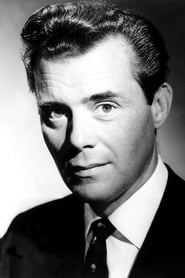
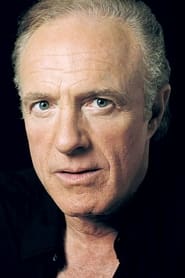
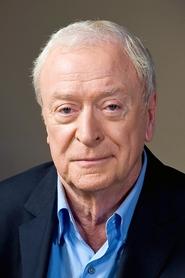
Sean Connery’s Major-General Urquhart is a stoic leader, though Connery’s natural charisma feels underused. He’s solid in the scenes where he grapples with mounting casualties. Michael Caine, as Lieutenant-Colonel Joe Vandeleur, brings a quiet intensity, especially when his men are pinned down. James Caan, playing Sergeant Eddie Dohun, steals every scene he’s in. His desperate run to save a wounded comrade is one of the film’s most gripping moments. Edward Fox, as Lieutenant-General Brian Horrocks, delivers his lines with crisp authority, but his character feels more like a plot device than a person. On rewatch, I noticed Dirk Bogarde’s performance as Lieutenant-General Browning — his polite disdain during planning meetings adds a subtle tension, though he’s given little to do later.
Character Psychology
What does Urquhart want? To finish the mission and bring his men home. But what he needs is to confront the futility of the operation — something he only hints at in the final scenes. Frost, holding the Arnhem bridge, clings to hope even as it becomes clear no help is coming. He’s trapped by duty, unable to retreat even when it’s the only sane option. The film doesn’t dig deeply into their psychology, though. These are men defined by their roles, not their inner lives.
Themes & Emotional Depth
A Bridge Too Far is about hubris — the Allies’ belief that the war could be won with one bold stroke. Early scenes of confident planning contrast starkly with the chaos of battle. The film also explores the cost of failure, not just in lives but in morale. A scene where Frost, surrounded and outnumbered, still insists they’re holding out for reinforcements is heartbreaking. It’s a reminder that hope can be as dangerous as despair.
Memorable Scenes & Dialogue
The paratrooper drop is a standout sequence. Thousands of men descending into enemy fire, the camera panning across the chaos, captures both the scale and the terror of Market Garden. Another moment that stays with me is Sergeant Dohun’s rescue attempt. The sheer determination on Caan’s face as he drags his wounded comrade to safety is riveting. And the final shot of Frost being led away, glancing back at the bridge he fought so hard to hold, is quietly devastating.
The Ending — Does It Deliver?
The ending feels inevitable, but no less impactful for it. The Allies’ retreat from Arnhem is handled with a grim realism. Frost’s capture underscores the futility of the operation, but it’s earned by everything that came before. What surprised me was how muted the final moments are — no grand speeches, just weary men trudging away from defeat. It left me with a lingering sense of sorrow.
What Works
The battle sequences are meticulously staged, capturing the chaos and horror of war. James Caan’s performance adds a much-needed emotional punch. The film’s attention to historical detail is impressive, from the uniforms to the tactics. And the paratrooper drop is a masterclass in cinematic tension.
Honest Criticism
The sprawling cast and multiple storylines make it hard to connect with any one character. The pacing is uneven — the first hour feels rushed, while the final act drags. Some scenes, like Browning’s introduction, feel like filler. And for a movie about such a dramatic failure, it lacks a strong emotional core.
How It Compares
Compared to *The Longest Day*, *A Bridge Too Far* is more focused on the human cost of war. But where *The Longest Day* balances multiple storylines with clarity, this film often feels disjointed. It’s closer in tone to *Gallipoli*, though it lacks that film’s emotional depth. Where it succeeds is in its authenticity — the battles feel real, not glamorized.
Legacy & Cultural Impact
A Bridge Too Far was a box office disappointment, grossing just $50 million against a $25 million budget. Critics praised its ambition but criticized its pacing. It’s since gained a following among war movie enthusiasts, though it’s often overshadowed by classics like *Saving Private Ryan*. Its influence can be seen in later ensemble war films, but it hasn’t aged as well as some of its peers.
Behind the Scenes
The film’s title comes from a comment reportedly made by Lieutenant-General Browning. Sean Connery injured his leg during filming but continued to shoot his scenes. The production used authentic WWII equipment, including a real Tiger tank.
Who Should Watch It?
War movie buffs will appreciate the historical accuracy and large-scale battles. Casual viewers may find the runtime daunting and the characters hard to follow. If you’re looking for a deeply personal war story, this isn’t it.
Final Verdict
A Bridge Too Far is a flawed but compelling war epic. Its ambition is commendable, even if it doesn’t always hit the mark. The performances are strong, and the battle scenes are thrilling, but the film struggles to balance its sprawling narrative. Still, it’s worth watching for its historical significance and James Caan’s standout performance. If you can overlook its pacing issues, it’s a solid addition to the war movie canon.
More details, ratings, and cast information on IMDb, TMDB, Wikipedia. YouTube