- 1Movie Overview
- 2Direction & Cinematography
- 3Cast & Performances
- 4Character Psychology
- 5Themes & Emotional Depth
- 6Memorable Scenes & Dialogue
- 7The Ending — Does It Deliver?
- 8What Works
- 9Honest Criticism
- 10How It Compares
- 11Legacy & Cultural Impact
- 12Behind the Scenes
- 13Who Should Watch It?
- 14Final Verdict
- Genre: Animation, Comedy, Family
- Director: Christopher Miller
- Year: 2009
- Runtime: 1h 30m
- Language: English (EN)
- TMDB Rating: ⭐ 6.7/10
Movie Overview
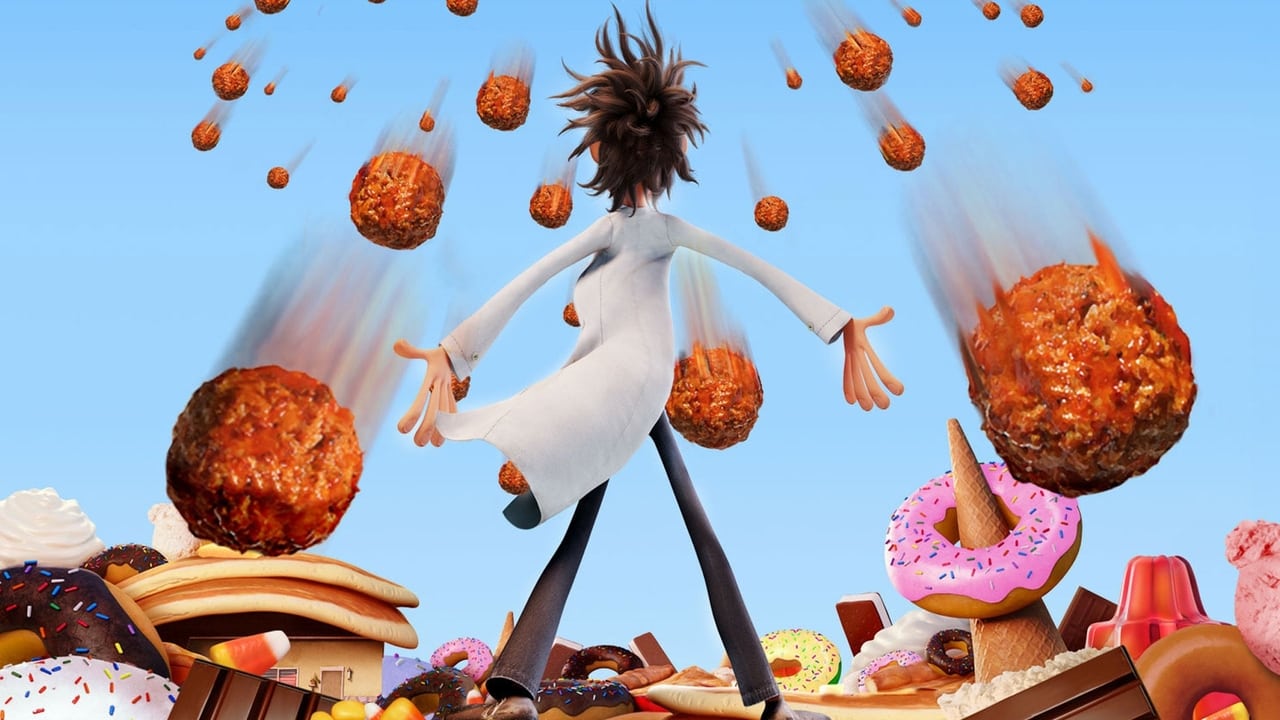
Imagine living in a town where food literally falls from the sky. In 'Cloudy with a Chance of Meatballs', inventor Flint Lockwood (voiced by Bill Hader) creates a machine that transforms water into food. The townsfolk of Chewandswallow, once struggling to feed themselves, experience their wildest dreams come true. But this culinary miracle quickly spirals out of control when the food begins to grow to monstrous proportions.
Flint's initial success with his invention comes with the unintended consequence of bizarre weather patterns, leading to a series of comedic disasters. As colossal hamburgers and giant spaghetti storms wreak havoc, Flint realizes he must reclaim control of his creation before it destroys the town. Alongside reporter Sam Sparks (Anna Faris), Flint navigates the chaos while trying to win over the hearts of the citizens—and his own complicated feelings about ambition and belonging.
What struck me was the emotional undercurrent that runs alongside the silliness. Flint's journey isn't just about food falling from the sky; it's about finding his place in a world that often overlooks him. The connection he builds with Sam feels genuine, fueled by moments of vulnerability amidst the outlandish antics.
In the film's final act, Flint confronts not only the consequences of his creation but also his own insecurities. The stakes rise as he faces the chaos head-on, providing an emotional payoff that feels earned. The whimsical chaos transforms into a heartfelt story of self-acceptance and responsibility, leaving viewers with a sense of satisfaction long after the credits roll.
Direction & Cinematography
Christopher Miller directs with a flair for the comedic, capturing the chaotic essence of Flint's invention. One standout moment is the scene where Flint first demonstrates his machine to the town; the vibrant colors and exaggerated animation style perfectly convey the absurdity of food raining down on the unsuspecting citizens. What surprised me most was how effectively the film balances humor with emotional depth, allowing the audience to connect with Flint's journey.
The pacing here is brisk, keeping viewers engaged throughout the film's 90-minute runtime. However, there are moments—particularly in the middle—where the energy dips slightly, especially during Flint's introspective sequences. Still, the tonal shifts never feel jarring; instead, they enhance the narrative's complexity, providing viewers with pauses to reflect on Flint's character development.
And yet, there are instances where the visual gags could overwhelm the story. While the animation is undoubtedly playful, I noticed that some sight gags, like the spaghetti tornado, flirt with extravagance, risking losing the emotional thread. Still, Miller's direction ensures that the story remains grounded, allowing the humor to resonate without overshadowing the heartfelt moments.
Cast & Performances
Bill Hader's portrayal of Flint is a mix of enthusiasm and awkward charm. His delivery of lines like, "I’m going to invent something that will change the world!" captures Flint's boundless optimism, while subtle physical choices—like his exaggerated hand gestures—add to the comedic tone. I'll admit I didn't expect to enjoy his performance as much as I did, but he brings a lot of heart to the role.
Anna Faris as Sam Sparks is equally delightful. Her ability to shift from excitement to apprehension during the wild food storms is impressive. A particular moment that stood out was her reaction when a giant burger crashes down; the mixture of disbelief and humor in her expression effectively mirrors the audience's astonishment. However, her character occasionally feels underdeveloped compared to Flint’s.
James Caan as Flint's father offers a nice contrast to Flint’s youthful exuberance. The emotional weight he brings to his character, particularly during the scenes focusing on their strained relationship, adds depth to the narrative. His line, "I just want you to be happy, son," resonates as a touching reminder of parental love, but I kept waiting for more moments that showcased his character's growth.
Character Psychology
On the surface, Flint wants recognition and validation from his peers and father. He believes that by creating something as extraordinary as his food-making machine, he'll finally earn the respect he craves. Yet, underneath this ambition lies a deep-seated fear of failure and rejection. Flint's struggle to balance his dreams with the responsibility that comes with them highlights his internal conflict.
What stays with me after the credits is how Flint's journey isn't solely about his invention, but about his self-discovery. He learns that true fulfillment comes not just from success but from the relationships he forms along the way. By the film's end, he gains awareness of his need for connection, though I wonder if the transformation is as thorough as it could have been.
Themes & Emotional Depth
Beneath the comedic surface, 'Cloudy with a Chance of Meatballs' explores themes of ambition and the consequences of unchecked creativity. Flint's invention starts as a beacon of hope but quickly spirals into chaos, illustrating how striving for recognition can lead to disaster. This theme resonates especially in a world where success often overshadows the importance of community and responsibility.
Moreover, the film delves into the dynamics of family and acceptance. Flint's journey to gain his father's approval reflects a universal desire for validation that many viewers can relate to. His eventual realization of what truly matters—his relationships with others—offers a heartfelt commentary on the balance between personal ambition and familial ties.
Memorable Scenes & Dialogue
One memorable scene occurs during the town's celebration when food falls from the sky for the first time. The animation is lively, with townspeople expressing pure joy and wonder. This moment works because it establishes the tone of whimsical hilarity while setting up the conflict that follows. The audience feels the elation, making the later chaos all the more impactful.
Another standout moment is the scene where Flint's machine goes haywire, causing food to turn into massive, uncontrollable elements. The animation here is frantic and visually creative, showcasing the chaos in a way that perfectly matches the escalating stakes. It illustrates the consequences of Flint's unchecked ambition beautifully, creating a juxtaposition between the dream and the nightmare.
Lastly, the heartfelt scene between Flint and his father, where they finally connect over their shared love of food, emphasizes the emotional core of the story. The dialogue is simple but poignant, and the physical animation of their expressions reflects the internal growth both characters undergo during the film.
The Ending — Does It Deliver?
The climax delivers an exhilarating mix of tension and humor as Flint battles the consequences of his creation in a race against time. The chaos reaches a fever pitch, and I found myself genuinely surprised by the inventive solutions Flint finds. The resolution feels like a natural progression from the chaos that unfolded prior, paying off Flint's character arc in a satisfying way.
The final scene, featuring Flint's acceptance of his role as a creator and the importance of community, leaves you with a warm sense of hope. It didn’t just close the narrative neatly; it felt like a celebration of growth, emphasizing the joy in embracing one's flaws. Overall, it wrapped up the story nicely without feeling rushed.
What Works
The animation style is vibrant and upbeat, creating an engaging visual experience. Scenes like the food storm perfectly capture the film's whimsical tone. Bill Hader and Anna Faris deliver strong performances, infusing their characters with a blend of humor and heart. The emotional moments between Flint and his father provide a satisfying depth that anchors the chaotic narrative, solidifying the film's charm.
Honest Criticism
The subplot involving the town's mayor feels underdeveloped and occasionally distracts from the core narrative. While Bruce Campbell voices the character wonderfully, the mayor's motivations seem inconsistent, which can pull you out of the story. Additionally, some of the more outrageous visual gags risk overwhelming the audience, making it occasionally feel more like a series of sketches rather than a cohesive story.
How It Compares
'Cloudy with a Chance of Meatballs' stands alongside other animated comedies like 'Despicable Me' and 'Ratatouille.' However, where 'Despicable Me' focuses on villainy turned redemption, this film dives deep into the absurdity of creativity gone awry, combining humor with heartfelt moments. In contrast to 'Ratatouille,' which offers a more nuanced exploration of artistry and ambition, 'Cloudy' leans heavily into surreal comedy, appealing to a broader family audience.
Yet, this film sometimes feels less cohesive than its counterparts. While the visual gags are plentiful, they occasionally overshadow character development, leaving it feeling shallow in comparison to the emotional depth found in 'Ratatouille.' Still, it excels in delivering laughs and a whimsical experience that younger audiences can enjoy.
Legacy & Cultural Impact
'Cloudy with a Chance of Meatballs' found success both critically and commercially, grossing over $243 million worldwide on a $100 million budget. While it didn't sweep major awards, its nomination for the Academy Award for Best Animated Feature in 2010 signifies its impact within the genre. The film's inventive animation and humor influenced later projects, particularly those that embrace a similar absurdity, like 'The Lego Movie.' Its signature blend of comedy and chaos continues to resonate with audiences today, making it a staple of animated family cinema.
Behind the Scenes
The film was inspired by the beloved children's book of the same name, but the plot diverges significantly from the source material. Casting choices also played a crucial role; Bill Hader was not the original choice for Flint Lockwood, with directors initially considering other actors. Additionally, many food-related scenes were improvised by the voice actors, leading to spontaneous humor that enhances the film's charm.
Who Should Watch It?
Families with young children will likely find joy in this film's colorful visuals and humorous premise. Parents looking for a light-hearted movie night will enjoy the laughs it brings. However, older viewers seeking deeper character development or thematic exploration might find it lacking.
Final Verdict
I’d recommend 'Cloudy with a Chance of Meatballs' for its unique blend of comedy and heartwarming moments. The film delivers an enjoyable experience, especially for families looking for light entertainment. However, if you prefer narratives that focus heavily on character development, you might want to skip this one. Its vibrant animation and silly premise make it a fun watch, especially for a younger audience.
More details, ratings, and cast information on IMDb, TMDB, Wikipedia. YouTube