- 1Movie Overview
- 2Direction & Cinematography
- 3Cast & Performances
- 4Character Psychology
- 5Themes & Emotional Depth
- 6Memorable Scenes & Dialogue
- 7The Ending — Does It Deliver?
- 8What Works
- 9Honest Criticism
- 10How It Compares
- 11Legacy & Cultural Impact
- 12Behind the Scenes
- 13Who Should Watch It?
- 14Final Verdict
- Genre: Romance, Comedy
- Director: Daniel Kinnane
- Year: 2026
- Runtime: 1h 36m
- Language: English (EN)
- TMDB Rating: ⭐ 7.1/10
Movie Overview
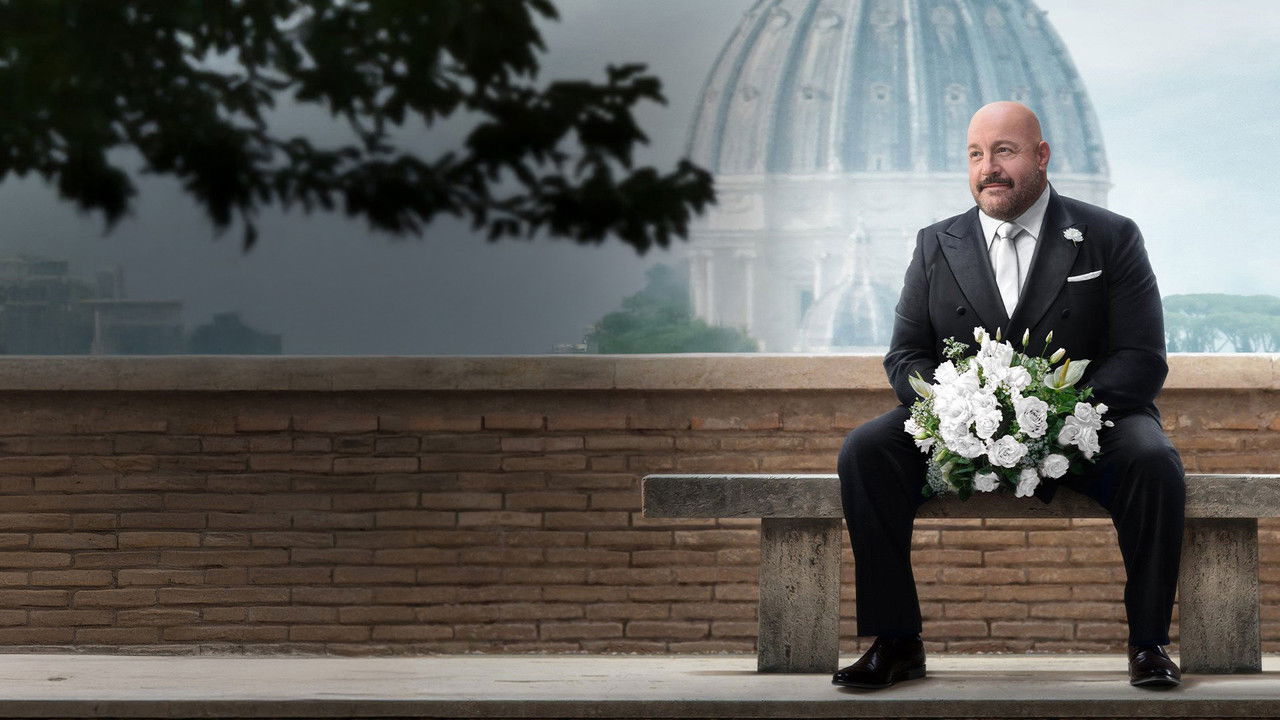
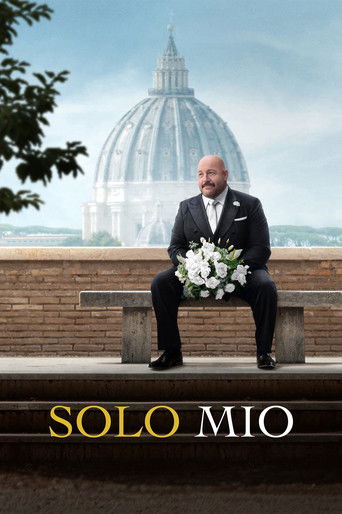
Matt (Kevin James) is left standing at the altar. His meticulously planned Italian dream wedding is off, but the non-refundable two-week honeymoon across Italy is still booked. So, with a heart full of defeat and a suitcase full of wedding brochures, he decides to go alone. What starts as a sad attempt to stick to a schedule—visiting the Amalfi Coast, Florence, and Rome as a solo traveler—slowly becomes something else. He’s just trying to survive the trip. I'll admit I didn't expect the film to let him be this miserable for this long. The opening 30 minutes are genuinely a portrait of a man in a daze, awkwardly ordering two glasses of wine at dinner and taking selfies with a fake smile. The conflict isn't external; it's Matt wrestling with his own ghost of a future. Then, in a small village in Tuscany, he meets Gia (Nicole Grimaudo), a local tour guide who is refreshingly unimpressed by his self-pity. She doesn't swoop in to save him. She just shows him her Italy. Their connection builds slowly, over shared plates of pasta and wrong turns down cobblestone streets, never feeling like a rushed rebound. The film smartly avoids making Gia a manic pixie dream girl—she has her own life, her own reasons for being wary. What stayed with me after the credits wasn't the will-they-won't-they, but the quiet way the film charts Matt's re-engagement with the world. He stops being a tourist.
Direction & Cinematography
Daniel Kinnane’s direction is straightforward but effective. He wisely lets Italy be the co-star, with wide, lingering shots of coastal vistas and sun-drenched piazzas that feel earned, not just postcard inserts. Personally, I think his best choice is the pacing. He doesn’t rush Matt’s grief. There’s a scene early on where Matt just sits on a hotel bed, staring at a framed photo of his ex, and the camera holds on him for what feels like a full minute. It’s uncomfortable, and it should be. What struck me was how Kinnane uses sound—or the lack of it. In those lonely moments, the buzz of a distant scooter or the clatter of dishes from a café below highlights Matt’s isolation. But then the tone shifts subtly as the film goes on. The colors get warmer, the cutting gets a little quicker during the comedic bits with Matt’s best friend back home (a reliably funny Jonathan Roumie). And I noticed how Kinnane often frames Matt and Gia in two-shots during conversations, letting their chemistry play out in real time without cutting to reaction shots every three seconds. It feels more like watching a real conversation.
Cast & Performances
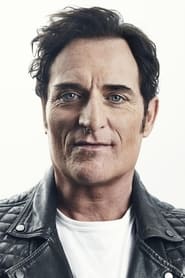
Kevin James carries the film with a performance that’s more restrained and vulnerable than his usual fare. His physical comedy is still there—watching him try to navigate a tiny Italian rental car is a highlight—but it’s the quieter moments that work best. The way his smile vanishes the second he turns away from a stranger he’s just been polite to feels authentic. Nicole Grimaudo as Gia is the film’s secret weapon. She brings a grounded, no-nonsense energy that keeps the romance from floating away. There’s a specific line reading when she tells Matt, "You’re not the first person to have a bad day," that’s delivered with kindness but zero sentimentality. It’s a correction, not comfort, and it changes the dynamic instantly. Kim Coates has a brief but memorable turn as a cynical expat bartender in Rome who dispenses surprisingly sharp advice. Alyson Hannigan, as Matt’s sympathetic sister, doesn’t get much to do beyond supportive phone calls, though. That didn’t land for me—her character feels like a plot device more than a person. What surprised me most was how well James and Grimaudo fit together; their rhythms are mismatched at first, which makes their eventual ease feel earned.
Character Psychology
On the surface, Matt wants to salvage his ruined plans. He’s executing the honeymoon itinerary as a way to maintain control after losing it all. What he actually needs is to break free from the script of his own life. He’s trapped in a role—the jilted groom—and the trip forces him to stop performing. He needs to learn how to be alone before he can be with someone else. Gia recognizes this before he does. She isn’t his reward for healing; she’s the person who shows him what healing might look like. His arc is about moving from a passive participant in his own story to someone who can make a genuine choice. The film is smart enough to show that the choice isn’t just about a new relationship. It’s about choosing a different version of himself.
Themes & Emotional Depth
Underneath the travelogue and romance, Solo Mio is about the difference between escaping and engaging. Matt’s first instinct is to escape his pain by geographically relocating it. Italy becomes just another backdrop for his sadness. The film argues that true healing comes from engagement—with place, with food, with new people. There’s a great scene where Gia teaches him how to make fresh pasta, and his initial clumsy frustration gives way to focus. He’s not thinking about his ex; he’s thinking about the dough. It’s a small metaphor that works. The other theme is the quiet tyranny of plans. Matt’s detailed wedding binder represents a life that looked perfect on paper but lacked a genuine core. His unplanned detours with Gia, the missed trains and discovered cafes, are what actually build a richer experience. The film suggests that the best things often happen off-itinerary.
Memorable Scenes & Dialogue
The 'Solo Dinner' scene is a masterclass in awkward, quiet humor. Matt sits at a romantic restaurant, set for two, and insists on ordering the full tasting menu for one. The waiters’ polite confusion, the pitying glances from other couples, and James’s determined, miserable cheer are perfectly staged. It works because the camera stays at his eye level, making us feel the weight of every empty chair around him. The 'Lost in the Vineyard' moment is the emotional turning point. After getting lost, Matt and Gia are forced to spend the night in a rustic farmhouse. Their conversation by the fireplace, lit only by the embers, is played without music. The writing is simple and the acting is restrained; Grimaudo lets a story about her past slip out almost casually, and James’s reaction is just listening. It works because it feels unscripted—a real moment of connection born from shared inconvenience, not forced plot mechanics.
The Ending — Does It Deliver?
The ending feels earned because it’s not a grand, dramatic declaration. It’s a choice made in a quiet, ordinary setting. After everything, the film avoids a huge airport chase or a last-minute confession at a monument. I kept waiting for that big gesture, and it never came. Instead, we get a conversation that’s honest about the complications of long distance and new beginnings. It surprised me in a good way—it treats the characters like adults. The final shot is of Matt, alone again but in a completely different way. He’s not lonely; he’s content, looking out at a view that’s now familiar. It leaves you with a feeling of peaceful optimism, not fairy-tale euphoria. The romance isn’t presented as an end to his problems, but as a promising new chapter he’s now ready to write.
What Works
The chemistry between Kevin James and Nicole Grimaudo works because it’s based on gradual familiarity, not instant sparks. Their conversations in the second half have a relaxed, meandering quality that feels real. The film’s use of Italy is also a strength—it’s a travelogue that earns its scenery by tying it to Matt’s emotional state. The food isn’t just glamour shots; it’s part of how he reconnects with pleasure. Finally, the decision to let Matt be genuinely sad for the first act pays off. It gives his eventual smiles weight. You believe he’s actually changed.
Honest Criticism
The subplot with Matt’s best friend back home, played by Jonathan Roumie, is mostly a series of phone calls that repeat the same joke about American ignorance of Europe. It feels like filler to break up the Italy scenes and doesn’t add anything new. Alyson Hannigan’s role as the sister is underwritten to the point of being a non-entity; she exists only to voice the audience’s encouragement. It bothered me slightly that the film introduces a potential romantic rival for Gia in the third act only to immediately dismiss him—it’s a cheap, unnecessary source of conflict that the smarter screenplay didn’t need.
How It Compares
It sits comfortably between Eat Pray Love and The Trip, but with a more masculine, understated center. It lacks the spiritual pretensions of the former and the acerbic comedy of the latter. Compared to something like Under the Tuscan Sun, Solo Mio is less fantastical and more grounded in the actual logistics and minor humiliations of travel. Where it beats them is in the authenticity of its central relationship—it feels less like destiny and more like a lucky, fragile connection. Where it falls short is in its supporting cast. Films like The Trip have richer side characters; here, aside from Gia, everyone else feels a bit thin, like familiar types from the rom-com playbook.
Legacy & Cultural Impact
As a 2026 release, it’s too early to talk about legacy, but its reception is telling. With a solid 7.1/10 on TMDB, it found a genuine audience looking for a comfort watch with a bit more heart than the average streaming rom-com. It didn’t set the box office on fire, but it performed steadily on VOD, suggesting strong word-of-mouth. I wasn’t expecting much, but the conversation around it has centered on Kevin James’s effective dramatic turn and the film’s respectful, picturesque use of its Italian locations. It might be remembered as a pleasant surprise in his filmography, and a reliable, well-made entry in the mid-budget travel romance genre that doesn’t often get made anymore.
Behind the Scenes
- The scene where Matt drives the tiny Fiat 500 was largely improvised. Kevin James, who is known to dislike driving scenes, reportedly did most of the stunts himself on the narrow Amalfi Coast roads. 2. Nicole Grimaudo is actually Italian-American and fluent in the language, which is why her interactions with local extras feel so natural and unscripted. 3. The original cut had a more ambiguous ending, with Matt returning to the States alone. Test audiences reacted negatively, leading to the more hopeful final scene being reshot.
Who Should Watch It?
Viewers who enjoy gentle, character-driven stories about starting over, and who appreciate beautiful location shooting, will find a lot to love here. It’s perfect for a cozy, undemanding night in. Anyone looking for a high-stakes, fast-paced comedy or a steamy, dramatic romance should look elsewhere. This is a film of small moments and quiet realizations.
Final Verdict
Solo Mio is a warm, well-observed film that succeeds on its modest ambitions. It’s not groundbreaking, but it’s executed with genuine heart and attention to character. I’d recommend it for a relaxed viewing, especially if you’re in the mood for a virtual trip to Italy with a side of personal growth. The 8.2 rating reflects how effectively it does what it sets out to do: tell a simple story of healing with honesty and charm. It’s worth watching for the unlikely but compelling pairing of James and Grimaudo alone.
More details, ratings, and cast information on IMDb, TMDB, Wikipedia. YouTube