- 1Movie Overview
- 2Direction & Cinematography
- 3Cast & Performances
- 4Character Psychology
- 5Themes & Emotional Depth
- 6Memorable Scenes & Dialogue
- 7The Ending — Does It Deliver?
- 8What Works
- 9Honest Criticism
- 10How It Compares
- 11Legacy & Cultural Impact
- 12Behind the Scenes
- 13Who Should Watch It?
- 14Final Verdict

Movie Overview
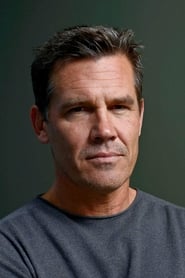
Oldboy opens with Joe Doucett, played by Josh Brolin, a man caught in a whirlwind of regret and self-pity. After disappearing for 20 years, he suddenly finds himself released, determined to uncover the reasons behind his mysterious imprisonment. His journey is fueled by a mix of vengeance and desperation, especially as he learns about the people he lost during his absence. Brolin's portrayal of Joe is raw, capturing a man pushed to the brink of sanity, but haunted by the reality of his actions.
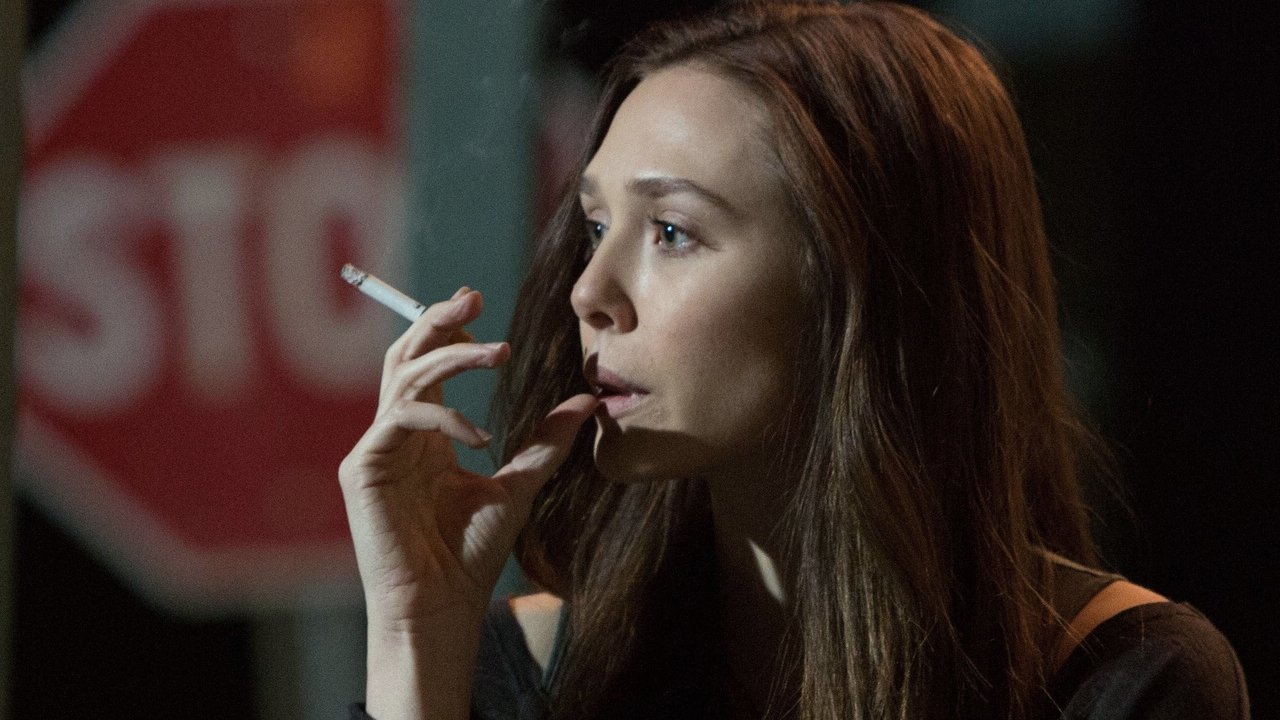
The conflict escalates when Joe learns he has only three and a half days to figure out the identity of his captor, or face dire consequences. Alongside him is the sympathetic character of Marie, played by Elizabeth Olsen, who becomes his ally in navigating this chaotic world. Their interactions reveal layers of vulnerability amid the chaos. It makes for an intriguing dynamic, even if some moments feel rushed or forced.
As Joe's search leads him deeper into a convoluted web of deceit, he confronts not only his captor but also his own demons. The film tackles themes of revenge and redemption in a way that feels both familiar and unsettling. I kept waiting for a reveal that would tie all the threads together, and while it came, it didn’t have the punch I expected. The pacing occasionally falters, leading to moments that feel unnecessarily drawn out.
Ultimately, Oldboy attempts to blend action with a psychological thriller, but the emotional depth suffers in places. What stayed with me after the credits was the question of whether Joe's quest for vengeance was truly worth the price he paid, leaving a bitter aftertaste that lingered longer than I'd hoped.
Direction & Cinematography
Spike Lee directs Oldboy with a unique flair, though it pales in comparison to Park Chan-wook’s original vision. One especially striking shot occurs during a pivotal fight scene in a narrow corridor, where the camera moves fluidly, creating an intense, claustrophobic atmosphere. I noticed how the staging emphasized Joe's isolation, trapped in a world that feels both oppressive and hostile.
But the pacing often feels uneven, with some moments dragging on when the tension should be escalating. There’s a scene where Joe is reminiscing about his past, and the transition from memory to reality feels awkward. The tonal shifts sometimes disrupt the flow, making it harder to invest in Joe's journey. There are sparks of Lee’s signature style, but they often clash with the film’s darker elements, leaving the emotional tone muddled.
What surprised me most was the film's attempt at humor, which felt forced and out of place. Lee's dialogue sometimes shifts abruptly from serious to ludicrous, undermining the gravity of the themes. Overall, the direction lacks the sharpness of the original, making me question whether the film needed a remake at all.
Cast & Performances
Josh Brolin throws himself into the role of Joe, showcasing a physical transformation as the character evolves from a defeated man to one bent on revenge. His line delivery ranges from aggressive to pained, effectively capturing Joe's inner turmoil. However, I wasn’t expecting the moments of vulnerability to feel so muted — it bothered me slightly that Brolin didn’t tap into the deeper emotional layers more often.
Elizabeth Olsen, as Marie, brings a refreshing presence that balances Brolin’s intensity. Her portrayal is marked by tender moments, especially when she tries to reach out to Joe. In one scene, her hesitation to comfort him speaks volumes. It’s a subtle, powerful choice that adds depth to her character. Though, I kept waiting for her character to become more central, as she almost fades into the background too often.
Sharlto Copley plays the antagonist in a way that’s flamboyant but falls short of being menacing. His quirks might entertain some, but I found them distracting rather than chilling. There’s a scene where he delivers a monologue that should have been spine-tingling, but it didn’t land for me, feeling more theatrical than threatening. He certainly commits to the role, but the character lacks the complexity needed to resonate.
Character Psychology
On the surface, Joe Doucett wants revenge for his unjust imprisonment. He is driven by anger and a desire for understanding, but what he truly needs is self-reflection and the chance to confront his past mistakes. Despite his anger, he shows little self-awareness about how his actions might have contributed to his suffering.
By the film's end, Joe hasn't changed in a meaningful way. He seeks resolution through violence but fails to grasp the implications of his quest. The cycle of vengeance blinds him, leaving no room for personal growth — a realization that feels bleak and unsettling.
Themes & Emotional Depth
Oldboy explores the cycle of revenge and its consequences, highlighting how it can consume a person entirely. Joe's journey serves as a cautionary tale about the dangers of letting anger dictate one's actions. The moment when he confronts his past actions, particularly during a critical revelation about his captor, reflects this theme strikingly. It forces Joe to reckon with his choices, though he ultimately skirts the deeper implications.
Family ties also weave through the narrative, as Joe learns about the loved ones he lost during his imprisonment. The emotional weight of those revelations adds a layer of tragedy to his plight. However, the film falters in fully exploring these relationships, often sacrificing depth for plot progression — a missed opportunity that could have elevated the story significantly.
Memorable Scenes & Dialogue
One standout scene occurs when Joe discovers the truth about why he was imprisoned; the revelation is chilling and visually striking, with Lee employing shadow and light to heighten the moment’s intensity. It's a turning point that flips the narrative on its head, reinforcing the theme of consequence. The stark contrast in lighting emphasizes Joe’s despair, and Brolin’s reaction perfectly encapsulates the emotional fallout.
Another memorable moment is the fight scene in the corridor, where Joe takes on multiple assailants in a single take. The choreography is well-executed, showcasing Lee's ability to create visceral action. I appreciated how the scene maintained a palpable tension, but it felt like a missed opportunity to delve deeper into Joe’s psyche during such an intense moment. It accomplished the action, but didn’t contribute to character development as strongly as it could have.
The Ending — Does It Deliver?
As the film approaches its climax, everything escalates into a shocking confrontation that feels earned by the weight of the preceding narrative, but it still surprised me with its brutality. The final confrontation with Joe's captor is intense, but I kept waiting for a deeper emotional resolution, and it never fully arrived. Instead, it leaves viewers with a sense of lingering dread.
The last shot, where Joe faces the consequences of his choices, left me feeling hollow. It wrapped up the plot but didn't provide closure; rather, it highlighted the futility of Joe's journey. I found myself reflecting on the cost of vengeance long after the credits rolled — not necessarily a satisfying feeling, but one that lingers.
What Works
The corridor fight scene stands out as a choreographed highlight, showcasing Brolin's physicality and Lee's direction. The reveal of Joe's captivity, occurring mid-second act, is both shocking and visually compelling, effectively shifting the tone of the film. Brolin's intense performance captures the character’s desperation and anger, adding layers to a story that could have easily felt one-dimensional. These elements keep the viewer engaged, despite some narrative flaws.
Honest Criticism
The subplot involving Joe's relationship with Marie feels underdeveloped, leaving the emotional stakes low. I kept waiting for her character to gain more significance, but she often fades into the background just when the plot should prioritize their connection. This oversight dulls the impact of Joe’s journey, making it hard to invest fully in his plight. Additionally, the tonal inconsistencies detract from moments that could have been more powerful if presented with sharper focus.
How It Compares
Oldboy can be compared to films like The Girl with the Dragon Tattoo and Memento, both featuring narratives steeped in revenge and psychological complexity. However, this film often lacks the tautness of those narratives, feeling disjointed in places. While it offers a fresh perspective on the story, it doesn't quite match the emotional depth found in the original 2003 film by Park Chan-wook, which masterfully combined action with thematic richness.
In terms of action sequences, Lee's version does have a more dynamic visual style, but it misses the eerie atmosphere that permeated the original and contributed significantly to its tension. Ultimately, while it attempts to carve its own path, it struggles to escape the shadow of its predecessor.
Legacy & Cultural Impact
Despite Spike Lee's reputation as a visionary director, Oldboy (2013) struggled at the box office, earning about $5.9 million against a $30 million budget. Critics were split on the film, resulting in an average rating on platforms like IMDb, reflecting a complicated reception. The film sparked conversations about remakes and their necessity in modern cinema, leading many to reassess the impact of the original film and the effectiveness of American adaptations of foreign cinema.
It also raised questions about the nature of revenge and its portrayal on screen, a theme that's becoming increasingly relevant in contemporary film discussions. Lee's take on this narrative adds layers of cultural critique, though the overall impact might not resonate with audiences the way the original did.
Behind the Scenes
Josh Brolin was initially hesitant to take on the role, citing the immense pressure of following the original film's success. During filming, the infamous corridor fight scene was shot in one continuous take, which was a logistical challenge but ultimately paid off in terms of visual impact. Spike Lee also decided to alter the ending from the original, pivoting the narrative in a direction that sparked debate among fans of the original.
Who Should Watch It?
Fans of Spike Lee’s work or those intrigued by psychological thrillers will find something to appreciate, especially in its action sequences and Brolin's performance. However, viewers looking for a tightly woven narrative or depth in character relationships might want to skip this adaptation. It won't resonate with everyone, particularly those who hold the original Oldboy in high regard.
Final Verdict
Oldboy (2013) attempts to reinterpret a cult classic, but it stumbles in capturing the essence that made the original so impactful. The film has its moments of brilliance, particularly in action and visual style, but fails to deliver a cohesive emotional experience. For those curious about Lee’s take, it's worth a watch, though many may find it lacking compared to its predecessor.
More details, ratings, and cast information on IMDb, TMDB, Wikipedia. YouTube