- 1Movie Overview
- 2Direction & Cinematography
- 3Cast & Performances
- 4Character Psychology
- 5Themes & Emotional Depth
- 6Memorable Scenes & Dialogue
- 7The Ending — Does It Deliver?
- 8What Works
- 9Honest Criticism
- 10How It Compares
- 11Legacy & Cultural Impact
- 12Behind the Scenes
- 13Who Should Watch It?
- 14Final Verdict
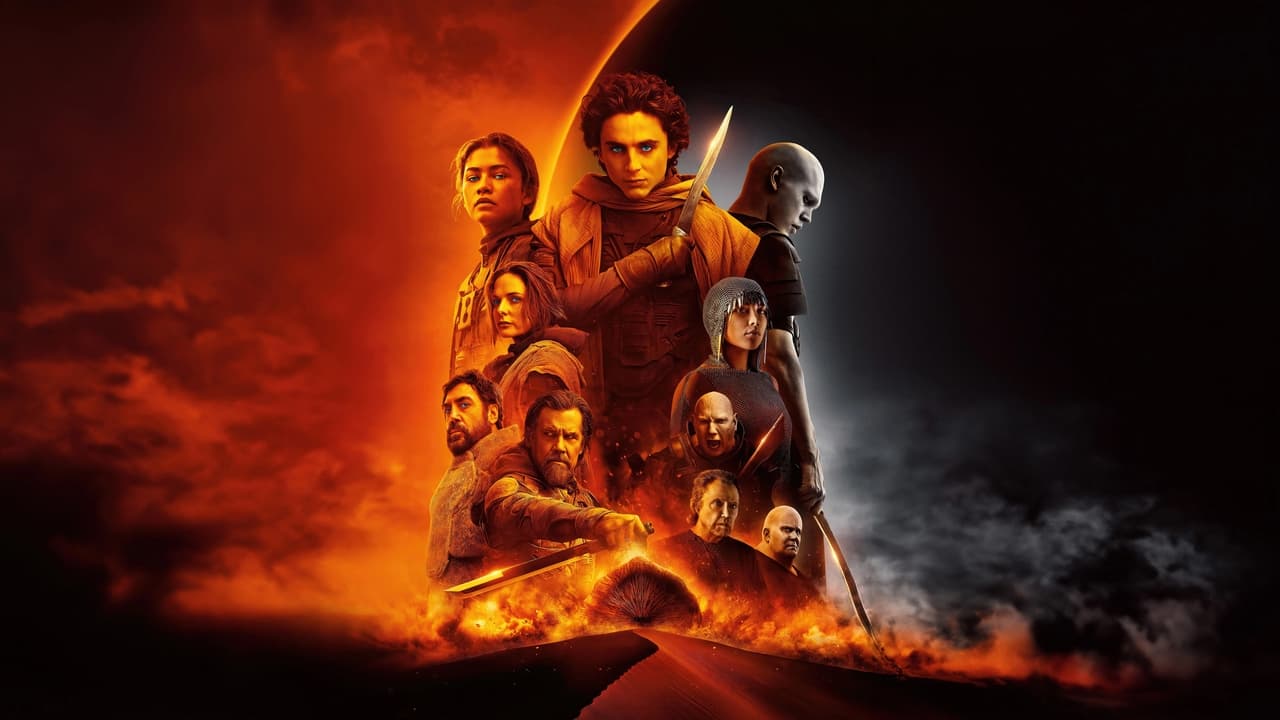
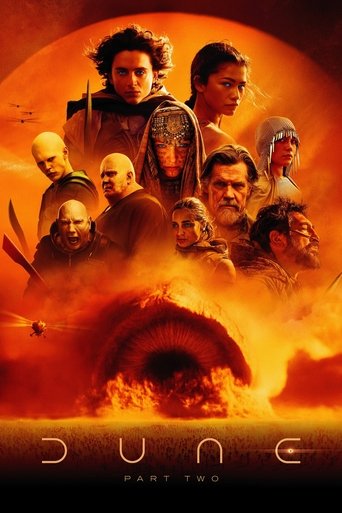
- Genre: Science Fiction, Adventure
- Director: Denis Villeneuve
- Year: 2024
- Runtime: 2h 47m
- Language: English (EN)
- TMDB Rating: ⭐ 8.1/10
Movie Overview
Dune: Part Two presents an epic continuation of Paul Atreides' (Timothée Chalamet) journey after the devastating events that shattered his life. As he teams up with Chani (Zendaya) and the Fremen, the stakes rise dramatically. Paul wrestles with the dual burden of love and destiny while plotting revenge against those who destroyed his family. It's an ambitious tale filled with political intrigue and personal sacrifice.
The tension heightens as Paul navigates alliances and faces rival factions. The film captures his struggle with the weight of prescience, particularly in scenes where he confronts the consequences of his visions. What struck me was how well it portrays the personal costs of his choices. The emotional core lies in Paul's love for Chani and the sacrifices he must make to fulfill his destiny.
However, the film does slow down at points, particularly when exploring the political dynamics of Arrakis. There are sequences where the pacing drags, making it hard to stay fully engaged. I kept waiting for an explosive conflict in the middle act, and while it eventually comes, the buildup felt uneven. The final act ramps up tension, though, bringing the narrative to a climactic showdown that ties back to its emotional stakes.
Ultimately, the film leaves viewers reflecting on the broader implications of power and sacrifice, though I wasn't expecting such a heavy focus on political machinations alongside personal conflicts. The mix of grand visuals and intimate storytelling is where Dune: Part Two shines, despite its pacing issues.
Direction & Cinematography
Denis Villeneuve's direction in Dune: Part Two continues to impress, especially in how he captures the vastness of Arrakis. One striking scene involves Paul surveying the desert landscape from a high vantage point, emphasizing both his isolation and the enormity of his destiny. The camera lingers, allowing viewers to absorb the weight of his journey.
Villeneuve maintains a deliberate pacing, which allows for moments of quiet introspection. However, a few scenes felt overly drawn out — particularly the political discussions in the middle act. I noticed that while these moments add depth, they sometimes detracted from the urgency of the narrative. And yet, when the action hits, it feels earned, packed with tension and high stakes, showcasing Villeneuve’s command in balancing spectacle with substance.
What surprised me most was the emotional depth Villeneuve infused into the character relationships. The tender moments between Paul and Chani provide a strong contrast to the overarching conflicts. Their shared struggles ground the film amid its grand ambitions, making the stakes feel personal and relatable. There’s a vulnerability to Paul that comes through, especially in quieter moments where he grapples with loss, which Villeneuve captures beautifully.
Cast & Performances
Timothée Chalamet as Paul Atreides gives a layered performance, particularly in moments of doubt and vulnerability. One scene, where he grapples with a vision of potential futures, showcases his ability to convey inner turmoil without excessive dialogue. Yet, there were times I thought he could push his emotional range further; some reactions felt muted when they could have been more intense.
Zendaya stands out as Chani, bringing a fierce presence that balances Paul’s uncertainties. Her delivery during a pivotal scene where she confronts the Fremen leaders is powerful; she embodies both strength and compassion. However, I was hoping for more scenes that allowed her character to shine. At times, it felt like Chani was sidelined when the focus shifted back to Paul.
Rebecca Ferguson as Lady Jessica delivers a strong performance, especially in her confrontations with Paul about duty versus love. Her physical choices, like the way she carries herself with both grace and tension, add depth to her character. However, there were moments where her character's motivations felt unclear, leaving me slightly detached from her struggles, which is unfortunate considering how pivotal she is to the narrative.
Character Psychology
On the surface, Paul wants revenge against those who have wronged him and to reclaim his family's legacy. However, what he truly needs is clarity about his role in a larger universe and the moral implications of his choices. He’s caught between personal vengeance and the responsibilities of leadership, which complicates his journey.
By the end, Paul undergoes significant change, moving from a reactive character to one who embraces his destiny. Yet, his self-awareness fluctuates. He knows there's a heavy cost to his power but often acts impulsively, blinded by the love for Chani and the desire for revenge. This internal conflict drives the narrative, but it also keeps him trapped in a cycle of violence and sacrifice.
Themes & Emotional Depth
Dune: Part Two delves into the themes of power and sacrifice, exploring what one must give up to achieve greatness. In the scene where Paul must choose between personal happiness and the fate of Arrakis, the struggle becomes palpable. His connection with Chani illustrates the conflict between personal desires and broader responsibilities, highlighting how ambition can come at a tremendous cost.
The film also addresses the idea of destiny versus free will, particularly in how Paul grapples with his prescient visions. The tension between his foreseen future and the choices he makes raises questions about control and fate. This theme plays out vividly in moments where he realizes that his actions can lead to catastrophic outcomes, forcing him to confront the fragility of his path.
Memorable Scenes & Dialogue
One memorable moment occurs when Paul first meets the Fremen leaders. The intrigue and tension are palpable, especially as the camera closes in on their expressions, showcasing the unspoken cultural dynamics at play. This scene works because it conveys the gravity of Paul's situation without needing excessive exposition, allowing the actors' physicality to communicate conflict.
Another standout scene is the final battle, which is choreographed with a sense of chaos that feels both thrilling and chaotic. The way characters move through the battlefield, with Villeneuve's direction emphasizing the stakes, creates a visceral experience. The use of practical effects and background score heightens the intensity, making it a highlight of the film.
The Ending — Does It Deliver?
The climax feels well-earned, particularly after the build-up of rising tensions and character arcs. When Paul finally confronts his enemies, it’s a culmination of everything he’s learned and sacrificed. The emotional weight of his choices resonates deeply, leaving a bittersweet feeling that lingers even after the credits roll.
The final shot, which features Paul standing resolutely against the desert landscape, left me with a mix of hope and foreboding. It encapsulates the duality of his triumphs and the numerous trials still ahead. This layered ending adds depth to the story overall, encouraging viewers to ponder the future implications of his decisions.
What Works
Dune: Part Two excels in its world-building and visual storytelling. The stunning cinematography captures the grandeur of Arrakis, with scenes like Paul’s high vantage point creating a sense of both isolation and destiny. The performances, particularly from Zendaya and Javier Bardem, feel grounded and relatable amidst the vastness of the narrative. The climactic battle effectively combines tension and emotional stakes, bringing together the film's various threads in a satisfying manner that feels earned.
Honest Criticism
However, I found the pacing uneven, particularly in the middle act where political discussions tended to drag. These moments are essential for character development, but they sometimes feel like filler rather than integral to the narrative. This pacing issue detracted from my engagement at times, making the emotional impacts less effective than they could have been. Additionally, Chani's sidelining in favor of Paul's journey felt like a missed opportunity to explore her character more deeply.
How It Compares
Dune: Part Two can be compared to other sci-fi epics like Blade Runner 2049 and Star Wars: Episode V – The Empire Strikes Back. Compared to Blade Runner 2049, Villeneuve manages to blend emotional depth with sprawling world-building more effectively, though it lacks some of the philosophical intricacies that made Blade Runner unique. In terms of pacing, Dune: Part Two sometimes lags where The Empire Strikes Back balances character development with action more evenly.
Unlike Star Wars, Dune doesn't rely heavily on traditional hero's journey tropes; instead, it leans into the complexities of power and consequence. While this makes for a more thoughtful film, it can also alienate viewers seeking straightforward adventure, which might be a point where it falls short.
Legacy & Cultural Impact
Dune: Part Two is poised to make a significant impact in the sci-fi genre, especially following the success of the first installment. Its reception is likely to fuel discussions on adaptation techniques for complex source material, echoing the conversations that began with the first film’s release. The film has already garnered attention, with discussions around potential awards due to its ambitious storytelling and visual achievements.
Box office figures, combined with a strong critical rating, indicate that it’s solidifying Villeneuve’s reputation as a visionary director in contemporary cinema. Its influence will likely extend to future adaptations of similarly intricate literature, changing how studios approach such projects.
Behind the Scenes
One notable trivia fact is that Timothée Chalamet almost missed out on his role due to a scheduling conflict with another film. Fortunately, production delays allowed him to join the cast. Additionally, Villeneuve chose to shoot many scenes on location in the desert, enhancing the film's authenticity. Lastly, some of the battle sequences were reworked during filming to incorporate real sandstorms, which added an unpredictable element to the shoot.
Who Should Watch It?
Sci-fi enthusiasts who appreciate grand narratives and complex characters will love Dune: Part Two. It’s a visual feast for those who enjoy epic storytelling. However, casual viewers or those looking for straightforward action might find the pacing and tone a bit challenging. This film demands patience and engagement, so it may not be for everyone.
Final Verdict
Dune: Part Two is a worthy continuation of Paul Atreides' journey, filled with stunning visuals and an ambitious narrative. While it suffers from uneven pacing and character sidelining, the emotional stakes and climactic moments deliver a powerful impact. For fans of the genre and the first film, it offers a compelling reason to watch — even if it stumbles along the way.
More details, ratings, and cast information on IMDb, TMDB, Wikipedia. YouTube