- 1Movie Overview
- 2Direction & Cinematography
- 3Cast & Performances
- 4Character Psychology
- 5Themes & Emotional Depth
- 6Memorable Scenes & Dialogue
- 7The Ending — Does It Deliver?
- 8What Works
- 9Honest Criticism
- 10How It Compares
- 11Legacy & Cultural Impact
- 12Behind the Scenes
- 13Who Should Watch It?
- 14Final Verdict
- Genre: History, War, Romance
- Director: Ridley Scott
- Year: 2023
- Runtime: 2h 38m
- Language: English (EN)
- TMDB Rating: ⭐ 6.3/10
Movie Overview
In Ridley Scott's 'Napoleon', we follow the tumultuous life of the ambitious French Emperor Napoleon Bonaparte, portrayed by Joaquin Phoenix. From his meteoric rise in the political landscape to the heartbreaking complexities of his marriage to Josephine (Vanessa Kirby), the film chronicles his obsession with power and love. Early in the narrative, we see young Napoleon dodging the trials of war while desperately pursuing Josephine, a match marked by both affection and volatility. The emotional stakes heighten as their relationship is constantly tested by external pressures and personal demons.
But it doesn't all play out smoothly. As Napoleon's military campaigns expand, his relationship with Josephine frays under the weight of his ambition. Despite his conquests, he struggles with his vulnerability, leading to a dramatic unraveling in their connection — a tension that ripples throughout the film. What struck me was how Scott intertwines historical battles with intimate moments, showcasing how deeply personal and political realms often clash.
As Napoleon grapples with the consequences of his choices and the isolation that accompanies power, the film deepens in its emotional complexity. It becomes clearer that his inner turmoil often mirrors his public persona — a leader torn between love and ambition. Towards the climax, we witness pivotal moments that test not just their relationship, but also the very essence of who he is as a man.
By the end, the film leaves you contemplating the cost of greatness. There's an irony in how Napoleon's quest for control results in heartbreak, making you ponder if true love could ever coexist with unyielding ambition. That reflection lingered with me long after the credits rolled.
Direction & Cinematography
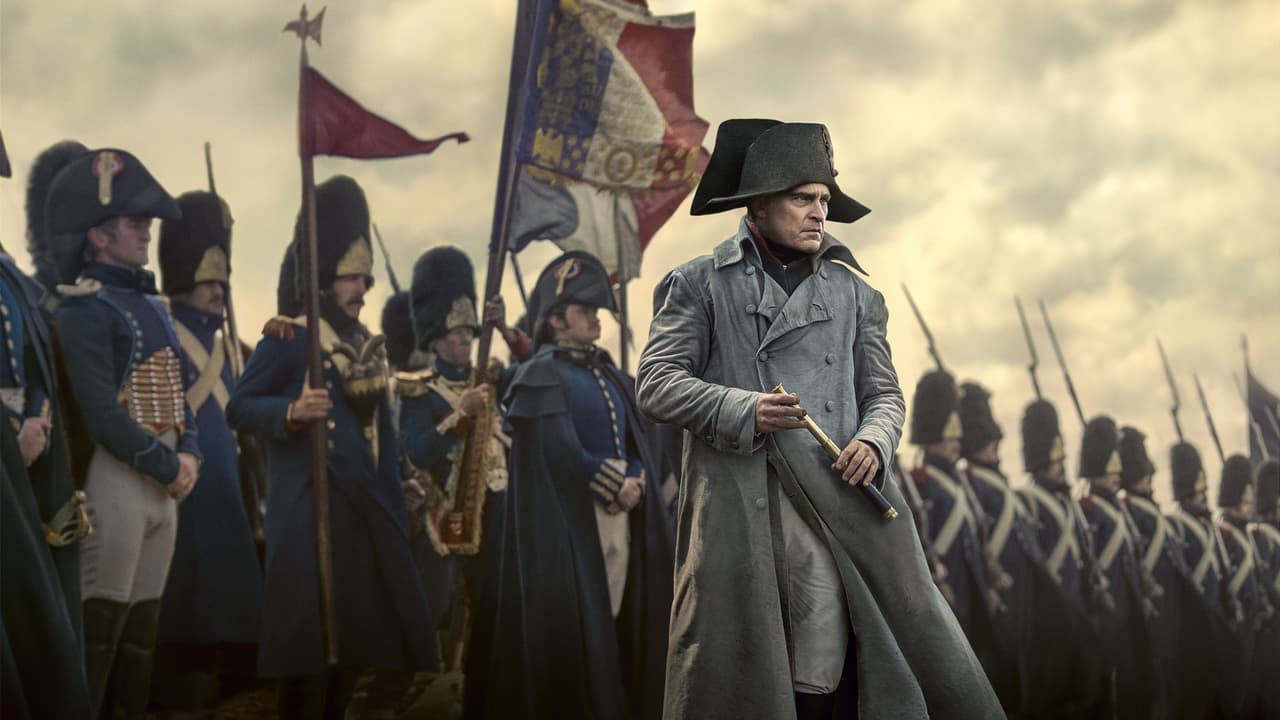
Ridley Scott's direction in 'Napoleon' is visually striking, showcasing his ability to frame grand battle sequences alongside intimate character moments. One shot that stood out to me features a sweeping view of a battlefield, where the chaos of war contrasts sharply with a quiet moment between Napoleon and Josephine. This juxtaposition emphasizes the film's central themes of love and conflict, drawing you into the emotional stakes of the characters.
The pacing, however, feels uneven at times. While the battle scenes are well-executed, there are moments in the middle of the film where the narrative drags, particularly during Napoleon's ascent to power. I noticed that some transitions between significant events felt abrupt, making it challenging to follow the progression of his character. Yet, Scott often relies on powerful imagery to keep viewers engaged, even during these slower moments.
What surprised me most was how Scott approached the romantic aspect of the film. Instead of merely focusing on the grandiose life of Napoleon, there’s a genuine effort to delve into his vulnerabilities and fears surrounding his relationship with Josephine. The tonal shifts between their passionate encounters and moments of estrangement are handled with care, making the emotional stakes feel real and compelling.
Cast & Performances
Joaquin Phoenix brings a complex portrayal to Napoleon, balancing moments of sheer arrogance with vulnerability. I found his delivery of the line, 'I will not be a footnote in history,' to be particularly powerful, both embodying his ambition and his insecurities. Sometimes, though, I felt he leaned too heavily into the brooding aspects of the character, overshadowing other dimensions that could’ve added depth.
Vanessa Kirby's performance as Josephine is equally compelling. Her expression during the scene where she discovers Napoleon's infidelity packs an emotional punch. You can see the heartbreaking conflict in her eyes — love mixed with betrayal. I'll admit I didn't expect her to steal so many scenes, but she does it with grace and nuance, making Josephine feel layered and relatable.
Tahar Rahim as Lucien Bonaparte, Napoleon's brother, adds an interesting dynamic to the film. His character often serves as a foil to Napoleon’s ambition. In a particularly memorable scene, he questions Napoleon's sanity in a heated argument, revealing the cracks in their relationship. I wish Rahim had been given more screen time, though, as his character felt underdeveloped amidst the larger narrative.
Character Psychology
On the surface, Napoleon seeks power, fame, and the adoration of his people. However, he also craves Josephine's love, a need that makes him vulnerable. The contrast between his public bravado and private insecurities illustrates a complex character driven by a fear of failure and abandonment. This internal struggle becomes increasingly clear as the story unfolds.
Ultimately, Napoleon fails to recognize that his ambition isolates him, as he loses touch with the very things that ground him. His obsession with legacy blinds him to the reality of his failing marriage, leading him to a tragic conclusion that leaves him yearning for what he cannot have.
Themes & Emotional Depth
The movie explores the duality of ambition and love through Napoleon's character arc. One moment that emphasizes this theme is when he declares war, juxtaposed against intimate scenes with Josephine. This highlights how his relentless pursuit of power undermines his personal relationships, painting a vivid picture of the cost of his choices.
Moreover, the film reflects on the nature of legacy and how it can both elevate and destroy. Through Napoleon's journey, we witness the irony of his pursuit of greatness leading to personal loss, prompting questions about what truly lasts beyond one's lifetime.
Memorable Scenes & Dialogue
One standout scene occurs when Napoleon first meets Josephine at a lavish party. Their chemistry is palpable, but the tension is immediately palpable due to the social expectations around them. Scott choreographs their dance in a way that feels intimate amidst the bustling crowd, visually representing the clash of their inner desires with society's constraints.
Another impactful moment comes during Napoleon's exile, where he has a heart-wrenching conversation with Josephine about their future. The way Kirby and Phoenix interact, moving closer yet remaining emotionally distant, showcases their fractured bond. The staging emphasizes their physical proximity but emotional separation, a poignant reflection of their relationship's complexities.
The Ending — Does It Deliver?
The climax builds on the emotional turmoil present throughout the film, culminating in a confrontation between Napoleon and Josephine that feels both inevitable and heartbreaking. It’s a moment where the weight of their choices comes crashing down, surprising me with its intensity. The emotional stakes had been steadily rising, and Scott delivers a payoff that resonates without relying on over-the-top dramatics.
The final shot lingers on Napoleon alone, reflecting the isolation that ultimately results from his relentless ambitions. This image left me with a sense of melancholy — a reminder that absolute power can lead to profound loneliness and regret.
What Works
The duality of power and love is effectively captured in several scenes, particularly during Napoleon's intimate moments with Josephine. Scott's ability to juxtapose grand battle scenes with personal conflicts drives the emotional weight of the narrative. The performances of Phoenix and Kirby are compelling, especially during pivotal revelations about their relationship, keeping you invested throughout the runtime.
Honest Criticism
The subplot involving Napoleon's military campaigns often feels repetitive and lacks depth, especially in the second act. While these scenes are visually impressive, they detract from the emotional core of the story, pulling focus from the more intimate moments that truly define the characters. I kept waiting for this subplot to tie back to the main themes, but it ultimately remains peripheral, which bothered me slightly.
How It Compares
When comparing 'Napoleon' to other biopics like 'Lincoln' and 'The King's Speech', one notable difference is Scott's choice to infuse a romantic lens into the historical narrative. Unlike 'Lincoln', which focuses heavily on political maneuvering, 'Napoleon' intertwines personal and political stakes, providing a unique perspective. Yet, while 'The King's Speech' delves into character development more cohesively, 'Napoleon' sometimes struggles with pacing and depth in certain subplots.
'Napoleon' shines in its ambition to portray the emotional complexity of its historical figures, but it occasionally falls short in tightening the narrative, leading to a less impactful overall experience than its competitors.
Legacy & Cultural Impact
'Napoleon' has sparked conversations around the portrayal of historical accuracy in film, especially regarding the romanticization of powerful figures. It has received mixed reviews, with a TMDB rating of 6.3/10 reflecting a divided audience response. While Ridley Scott's previous films, such as 'Gladiator' and 'The Last Duel', have left a significant mark on cinema, 'Napoleon' seems to tread familiar ground without breaking new ground in the biopic genre. Its exploration of personal ambition against historical backdrops will likely influence future portrayals of similar themes.
Behind the Scenes
Phoenix was reportedly the first choice for Napoleon, but there were initial concerns about his commitment to the project. Vanessa Kirby's role was almost given to another actress but she secured the part after a compelling audition that showcased her emotional range. The film faced budget constraints, forcing Scott to scale back certain battle scenes, which ultimately changed the overall tone of those sequences.
Who Should Watch It?
Fans of historical dramas and epic romances might find much to appreciate in 'Napoleon', particularly if they're drawn to stories of complex relationships set against tumultuous backdrops. However, viewers looking for a tightly paced narrative may want to skip it, as the film's slower moments can test attention spans.
Final Verdict
While 'Napoleon' has its strengths in character exploration and emotional depth, the uneven pacing and some underdeveloped subplots hold it back. The film ultimately offers an intriguing look at the interplay of power and love, but it's not without flaws. Watch it for the performances of Phoenix and Kirby, who bring real insight into their characters' complexities.
More details, ratings, and cast information on IMDb, TMDB, Wikipedia. YouTube