- 1Movie Overview
- 2Direction & Cinematography
- 3Cast & Performances
- 4Character Psychology
- 5Themes & Emotional Depth
- 6Memorable Scenes & Dialogue
- 7The Ending — Does It Deliver?
- 8What Works
- 9Honest Criticism
- 10How It Compares
- 11Legacy & Cultural Impact
- 12Behind the Scenes
- 13Who Should Watch It?
- 14Final Verdict
- Genre: Comedy, Drama
- Director: Cord Jefferson
- Year: 2023
- Runtime: 1h 57m
- Language: English (EN)
- TMDB Rating: ⭐ 7.3/10
Movie Overview
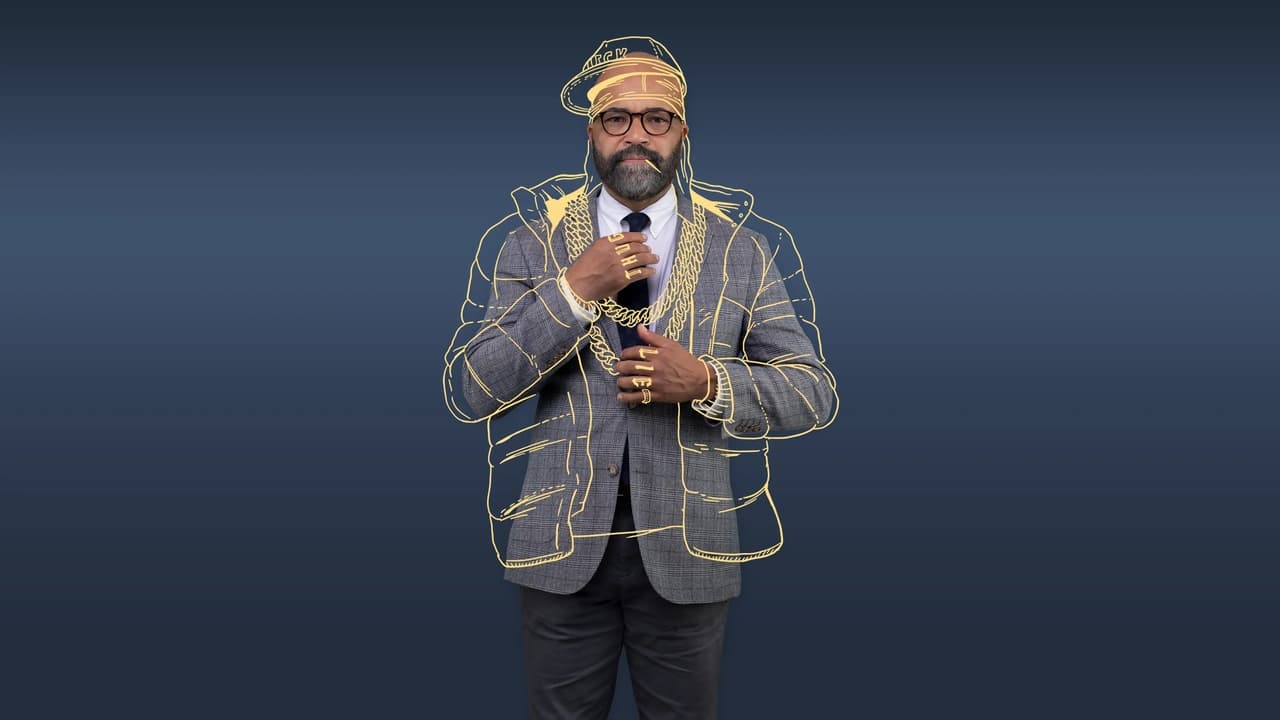
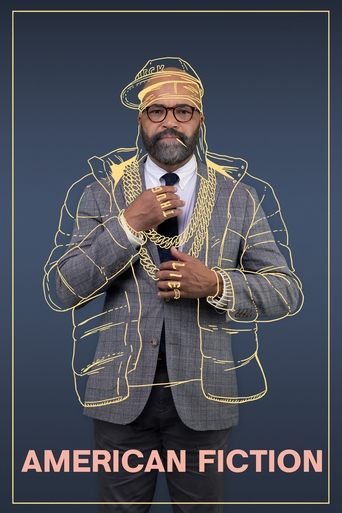
American Fiction opens with Thelonious 'Monk' Ellison, played by Jeffrey Wright, a novelist disillusioned by the publishing industry's commodification of Black stories. Fed up with being pigeonholed into writing about the struggles of his culture, he decides to adopt a pen name and craft a stereotypical tale that reflects his disdain for the genre's clichés. This act of rebellion quickly spirals into chaos, placing Monk at the center of a literary storm he never intended to ignite. As he navigates through the hypocrisy of the very ecosystem he tries to critique, we see him tangled in a web of success and moral dilemmas.
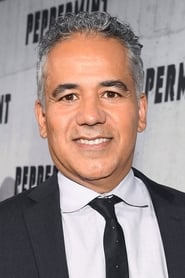
As Monk's satirical novel gains traction, he grapples with unexpected fame, leading to tumultuous interactions with critics and fellow writers, including his best friend, played by John Ortiz. Monk's journey is painted with humor and genuine introspection, yet the film never shies away from the weight of its commentary. What surprised me most was how the comedic elements balanced the heavier themes, allowing moments of genuine emotional truth to break through.
The stakes heighten as Monk confronts the consequences of his actions, including strained relationships and a growing public persona that threatens his original values. Each twist dives deeper into the conflict between individuality and societal expectations. Ultimately, the film forces us to question the authenticity of the stories we consume. By the end, Monk's journey leads to a poignant realization about identity, authenticity, and the cost of success.
And while some elements felt predictable, the film's smart writing and sharp wit kept me engaged throughout. It's this mix of comedy and drama that sticks with you after the credits roll, making you reflect on what stories matter and why.
Direction & Cinematography
Cord Jefferson directs American Fiction with a keen sense of comic timing and sharp social commentary. One standout sequence occurs early when Monk attends a literary event filled with clichéd representations of Black culture — the staged shots of exaggerated smiles and forced laughter amplifying the absurdity of the situation. I noticed how Jefferson uses framing to isolate Monk in these crowded spaces, visually representing his inner turmoil about belonging versus authenticity.
What struck me as particularly effective was the pacing. Some scenes linger just long enough to let the humor land before pivoting to weightier moments of reflection. The transitions between comedic setups and serious commentary felt fluid, allowing the viewer to digest both elements without feeling overwhelmed. But I’ll admit I didn’t expect the tonal shifts to handle such delicate subjects with sophistication.
In terms of tone, Jefferson balances satire with sincerity, crafting a narrative that resonates well beyond its comedic surface. The decisions around tight dialogue and rapid-fire exchanges help maintain momentum, ensuring that the audience never feels bogged down by preachiness. This approach enhances the film’s ability to resonate, creating both laughter and contemplation without sacrificing one for the other.
Cast & Performances
Jeffrey Wright brings a nuanced complexity to Monk, portraying his internal struggle with physicality that speaks volumes. In one scene, when he clenches his fists while listening to a critic tear apart his work at a panel discussion, it’s a subtle yet powerful moment that encapsulates his conflict. Wright’s line delivery oscillates between sardonic and sincere, drawing the audience into Monk’s plight. However, there were moments where I felt he leaned too heavily into the tragicomic aspects, risking the subtlety of his character’s depth.
John Ortiz shines as Monk’s best friend, who becomes both a confidant and a mirror reflecting Monk’s choices. In a tense dinner scene, Ortiz’s character expertly blends humor with concern, making their exchanges feel genuine. There’s a moment when Ortiz raises his eyebrows, expressing disbelief at Monk’s latest decision — a simple gesture that adds so much to the dialogue without a word being said. It's these physical choices that make the interactions between characters feel grounded.
Leslie Uggams plays a sharp-witted literary agent, providing both comic relief and sage advice. In one standout moment, she delivers a biting critique on the industry's expectations for Black storytelling, her deadpan delivery hitting harder than any flashy dialogue could. That said, I kept waiting for her character to have a more significant arc, and it never fully developed, which felt like a missed opportunity.
Character Psychology
Monk's surface desire is to be recognized for his literary talent without conforming to stereotypes. However, what he truly needs is to confront the expectations of others and define his identity on his own terms. Throughout the film, this inner conflict is palpable, particularly when faced with the repercussions of his pen name. Ultimately, he fails to reconcile his ambitions with his values, leading to a poignant realization that his struggles are not merely external but deeply internal.
This self-awareness, or lack thereof, drives much of the narrative. Monk is not just grappling with a career crisis; he's wrestling with who he is in a world that tries to define him. His journey highlights the challenges of staying true to oneself in an industry that often thrives on exploitation and caricature.
Themes & Emotional Depth
At its core, American Fiction tackles the hypocrisy of the literary industry, especially how it commodifies Black narratives. This is particularly evident in the way Monk's satirical novel gains popularity by adhering to tropes that perpetuate stereotypes. The film suggests that the industry often prioritizes profit over authenticity, leading to a false representation of a culture that deserves to be explored in its complexity.
Additionally, the film grapples with identity and self-ownership, pushing viewers to consider how external pressures shape our narratives. The significant scene where Monk confronts a critic about the expectations placed upon him emphasizes this struggle for authenticity. It raises questions about who gets to tell whose story and at what cost, reflecting a broader commentary on representation in media.
Memorable Scenes & Dialogue
One of the standout scenes occurs during a dinner party where Monk is confronted by a group of writers about the authenticity of his work. The tension escalates as they begin to dissect his motivations, leading to a raw exchange that highlights Monk's insecurities. The staging here, with tight close-ups on the characters' faces, draws you into the emotional stakes of the conversation, making it feel intensely personal.
Another moment that lingers is when Monk reads an excerpt from his controversial novel at a packed bookstore. The audience’s reaction shifts from laughter to discomfort, showcasing how quickly perceptions can change. The writing here is sharp, with layered humor that forces the audience to reflect on their own complicity in the stereotypes being discussed. This scene effectively uses Monk’s internal struggle as a lens for viewers to evaluate their own biases.
The final confrontation where Monk gets to address his critics directly serves as a cathartic release for both him and the audience. The way he articulates his frustrations reflects the film's broader themes about representation, making it a powerful commentary on authenticity and the creative process.
The Ending — Does It Deliver?
The climax of American Fiction feels well-earned, as it brings together all the threads of Monk's internal and external conflicts. I was surprised by the boldness of his final stand against the establishment, which felt like a culmination of every setback and realization he faced throughout the film. This cathartic moment not only validates Monk's journey but also leaves viewers considering the broader implications of identity and representation.
The last shot of Monk walking away from the very world he once sought validation from resonates deeply. It left me with a mix of relief and contemplation, an acknowledgment of the journey he’s taken and the personal truths he’s finally embraced. It's a satisfying conclusion that avoids neat resolutions, reflecting the complexity of the issues raised throughout the film.
What Works
American Fiction excels in its clever writing, with sharp dialogue that balances humor and critique. The dinner party scene stands out as a prime example, where tensions rise amidst a facade of civility, showcasing both the absurdity and seriousness of literary scrutiny. Jeffrey Wright’s performance serves as the backbone, bringing depth to Monk that invites both laughter and empathy. Jefferson's direction keeps the pace lively while allowing moments of reflection to seep through, resulting in a film that engages on multiple levels.
Honest Criticism
While most of the film works well, the subplot involving Monk's relationship with his estranged father feels underdeveloped. This character's motivations remain vague, and their interactions often lack the emotional weight necessary for the audience to fully invest. Instead of adding depth, this subplot detracts from the overall narrative focus and feels like filler. I kept waiting for this thread to tie back into the main story, and it never came together satisfactorily.
How It Compares
American Fiction shares thematic DNA with films like Sorry to Bother You and The Hate U Give, both of which tackle identity and representation in unique ways. However, where Sorry to Bother You leans heavily into surrealism and absurdity, American Fiction maintains a more grounded approach that emphasizes character depth. In contrast, The Hate U Give provides a more straightforward narrative about racial injustice, whereas American Fiction’s satirical lens adds layers of commentary on the literary world, enriching the discussion.
Yet, American Fiction occasionally falters in depth compared to its predecessors. Its critique, while sharp, sometimes feels like it's skimming the surface of deeper issues, missing opportunities for more profound exploration.
Legacy & Cultural Impact
Though it's still early post-release, American Fiction has already sparked discussions around the representation of Black narratives in media. Critics have hailed it for its bold approach and relevant commentary, contributing to ongoing conversations about authenticity and ownership in storytelling. Box office figures indicate a solid reception, suggesting that audiences are hungry for this type of dialogue. As a recent entry in the genre, it joins the ranks of films pushing the boundaries of how cultural narratives are shaped and consumed.
There's a palpable sense that American Fiction will influence not only future films but also how stories are told in the literary world, pointing out the necessity for more authentic voices that challenge prevailing narratives.
Behind the Scenes
Cord Jefferson, who directed and wrote the film, originally intended to base the story on his own experiences in the literary world, drawing from his frustrations as a Black writer. Jeffrey Wright was actually cast just days before shooting began after another actor dropped out, which added to the film’s urgency. There's a hilarious improvised line during the dinner party scene that caught everyone off guard, showcasing the chemistry among the cast, particularly between Wright and Ortiz.
Who Should Watch It?
Viewers who appreciate sharp social commentary wrapped in humor will likely find American Fiction engaging. Those familiar with the struggles of representation in media will resonate with Monk's journey and the film's themes. However, if you prefer straightforward narratives without satire or heavy themes, you might want to skip this one.
Final Verdict
American Fiction is a refreshing and thought-provoking film that critiques the literary industry while navigating the complexities of identity. Its sharp writing and strong performances justify a solid rating of 8.2. This is a film that challenges viewers to reflect on authenticity in storytelling — a compelling reason to watch.
More details, ratings, and cast information on IMDb, TMDB, Wikipedia. YouTube