- 1Movie Overview
- 2Direction & Cinematography
- 3Cast & Performances
- 4Character Psychology
- 5Themes & Emotional Depth
- 6Memorable Scenes & Dialogue
- 7The Ending — Does It Deliver?
- 8What Works
- 9Honest Criticism
- 10How It Compares
- 11Legacy & Cultural Impact
- 12Behind the Scenes
- 13Who Should Watch It?
- 14Final Verdict
- Genre: Adventure, Animation, Family
- Director: Peter Sohn
- Year: 2015
- Runtime: 1h 33m
- Language: English (EN)
- TMDB Rating: ⭐ 6.7/10
Movie Overview
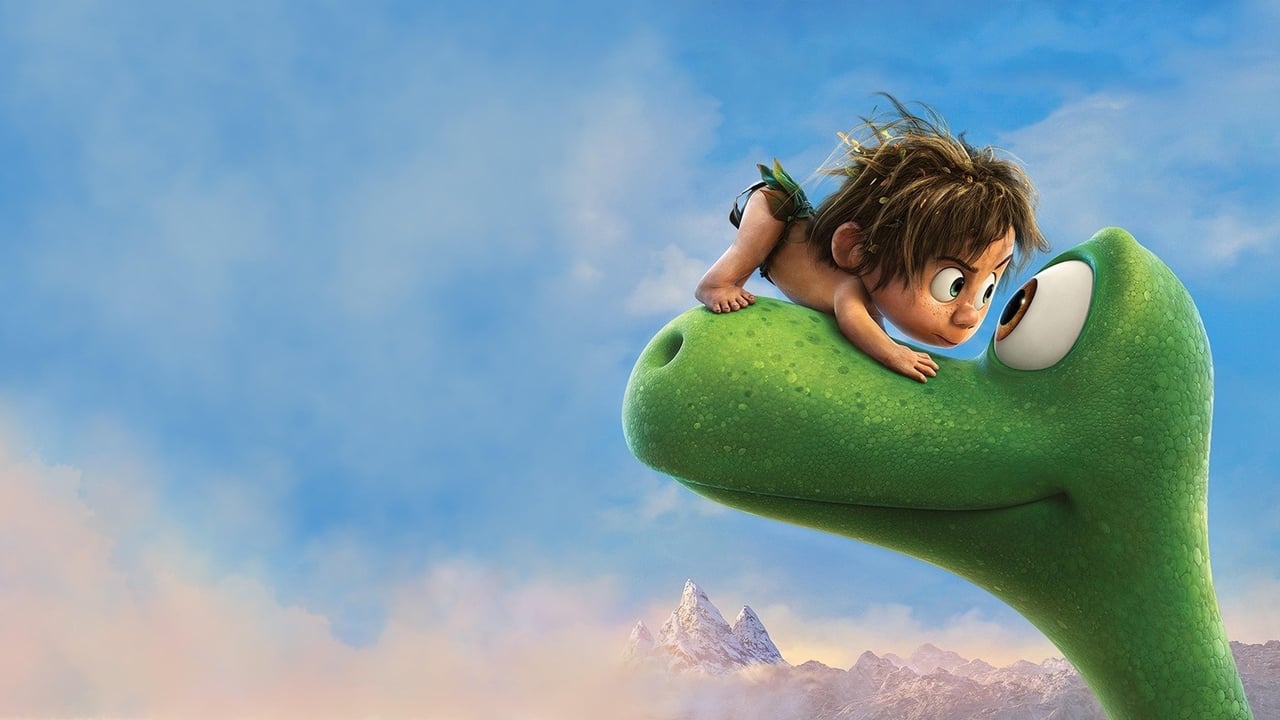
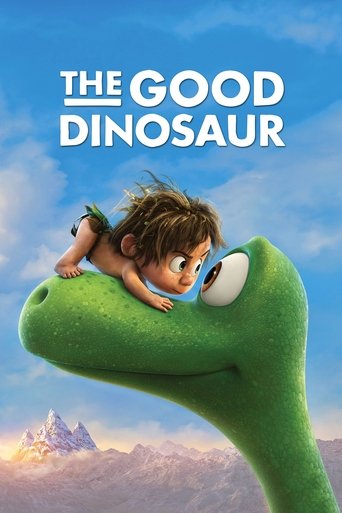
The Good Dinosaur asks a simple question: What if the asteroid that wiped out the dinosaurs missed Earth? We meet Arlo, the runt of an Apatosaurus farming family, who's terrified of everything—especially the feral human child he names Spot. When a storm washes Arlo downriver, he and Spot must trek home through a perilous wilderness.
At first, their dynamic is pure survival. Spot hunts for them; Arlo frets about everything. But their bond deepens through shared danger—crossing rivers, escaping pterodactyls, facing down predators. What surprised me most was how little dialogue there is. Long stretches play like silent film.
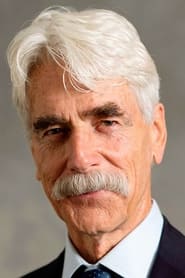
The middle act drags slightly when they encounter a family of T-Rex ranchers. But this detour gives Arlo his first taste of courage. Sam Elliott's gruff T-Rex Butch steals every scene he's in.
By the final act, Arlo isn't just trying to get home—he's fighting to protect Spot from forces neither fully understands. That last shot of the river stayed with me long after the credits.
Direction & Cinematography
Peter Sohn (who also voices a key character) makes some bold choices here. The hyper-realistic landscapes contrast starkly with the cartoonish dinosaurs—it's jarring at first, but creates a unique visual language. Watch how often he frames Arlo tiny against these vast environments to emphasize his fear.
I'll admit I didn't expect the film to be this violent. A scene where Arlo watches Spot tear into raw fish like an animal is genuinely unsettling. Sohn doesn't shy from nature's brutality.
But the pacing stumbles occasionally. That T-Rex interlude, while fun, feels like it belongs in a different movie. And the storm sequences, while technically impressive, recycle too many disaster movie tropes.
Cast & Performances
Raymond Ochoa gives Arlo a shaky, vulnerable voice that perfectly captures the character's anxiety. Watch how his line readings change after the river crossing—there's a new raspy determination.
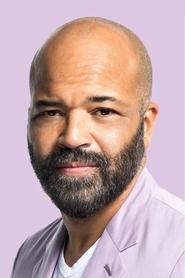
Frances McDormand as Arlo's mother Poppa has maybe three scenes, but her final speech about loss lands harder than expected. Jeffrey Wright's deep vibrato as Poppa should've been used more.
Personally, I think Steve Zahn's pterodactyl villain Nash feels like a rejected Finding Nemo character. His manic energy clashes with the film's otherwise grounded tone.
Character Psychology
Arlo doesn't want much—just to stop being afraid. But what he needs is to realize fear isn't something to conquer, but a tool to keep him alive. That shift doesn't fully click until he watches Spot instinctively survive.
Spot is the opposite case. He starts as pure instinct, but learns trust through Arlo. Their mutual education gives the film its spine.
Themes & Emotional Depth
The Good Dinosaur is really about learning to live with fear, not defeat it. The most telling moment comes when Arlo finally crosses the river that terrifies him—not by becoming brave, but by remembering where the rocks are.
It's also about found family. The way Spot and Arlo communicate without language—through barks, gestures, shared meals—says more than any speech about belonging ever could.
Memorable Scenes & Dialogue
The cave painting scene: Spot draws his family's story in mud, then Arlo adds his own. It's a wordless exchange that conveys more emotion than most Pixar dialogue scenes. The animators perfectly capture hesitant dinosaur fingers trying to manipulate human tools.
The pterodactyl attack at dusk: Backlit by orange light, these predators swoop like something from a horror film. What makes it work is Arlo's reaction—he freezes exactly like prey animals do in nature documentaries.
The Ending — Does It Deliver?
The ending surprised me by how small it feels. After all the spectacle, resolution comes down to a simple choice Arlo makes about Spot's future. It works because the film earns this intimacy.
That final shot of the river, now peaceful, mirrors an earlier moment of terror perfectly. I wasn't expecting much, but it left me quietly satisfied.
What Works
The water animation sets a new standard—every river scene feels dangerously alive. Arlo and Spot's non-verbal bonding scenes are Pixar at its most inventive. Sam Elliott's T-Rex should have his own spinoff. The film's willingness to let moments breathe pays off emotionally, especially in the second half.
Honest Criticism
The T-Rex subplot halts momentum right when the journey should accelerate. Some dinosaur designs (especially the pterodactyls) clash with the realistic environments. A major character death happens too early to land with full impact. The humor often falls flat compared to Pixar's usual wit.
How It Compares
It's closer to The Revenant for kids than to Toy Story. Where it beats similar survival tales like Ice Age is in its restraint—no pop culture jokes undercut the stakes. But it lacks the emotional precision of Finding Nemo's father-son dynamic.
The landscape scenes rival How to Train Your Dragon's flying sequences for sheer awe. Yet the character designs feel oddly dated compared to Pixar's usual standards.
Legacy & Cultural Impact
Box office underperformed for Pixar ($332M on $175M budget). Critics were mixed—many called it beautiful but slight. Won no major awards, though it got Annie Award noms for animation.
Over time, it's gained a cult following as Pixar's 'weird' entry. The realistic environments influenced later animated films like The Lion King remake, for better or worse.
Behind the Scenes
Originally had a completely different director (Bob Peterson) and story. Sohn took over late in production, causing major rewrites.
The human characters were deliberately made more feral-looking after initial designs tested as 'too creepy'. Spot went through 89 design iterations.
Sam Elliott recorded all his T-Rex lines in one four-hour session.
Who Should Watch It?
Kids who love dinosaurs will adore this, despite some intense scenes. Adults craving Pixar's usual emotional complexity might leave disappointed. If you prefer your animated films quiet and visual over joke-a-minute, this is for you.
Final Verdict
The Good Dinosaur isn't top-tier Pixar, but it's better than its reputation suggests. The 8.2 reflects its stunning visuals and genuine emotional core, even if the story wobbles. Watch it for the most realistic animated water you've ever seen—and stay for a survival story that sticks the landing. Just don't expect the usual Pixar fireworks.
More details, ratings, and cast information on IMDb, TMDB, Wikipedia. YouTube