- 1Movie Overview
- 2Direction & Cinematography
- 3Cast & Performances
- 4Character Psychology
- 5Themes & Emotional Depth
- 6Memorable Scenes & Dialogue
- 7The Ending — Does It Deliver?
- 8What Works
- 9Honest Criticism
- 10How It Compares
- 11Legacy & Cultural Impact
- 12Behind the Scenes
- 13Who Should Watch It?
- 14Final Verdict
Movie Overview
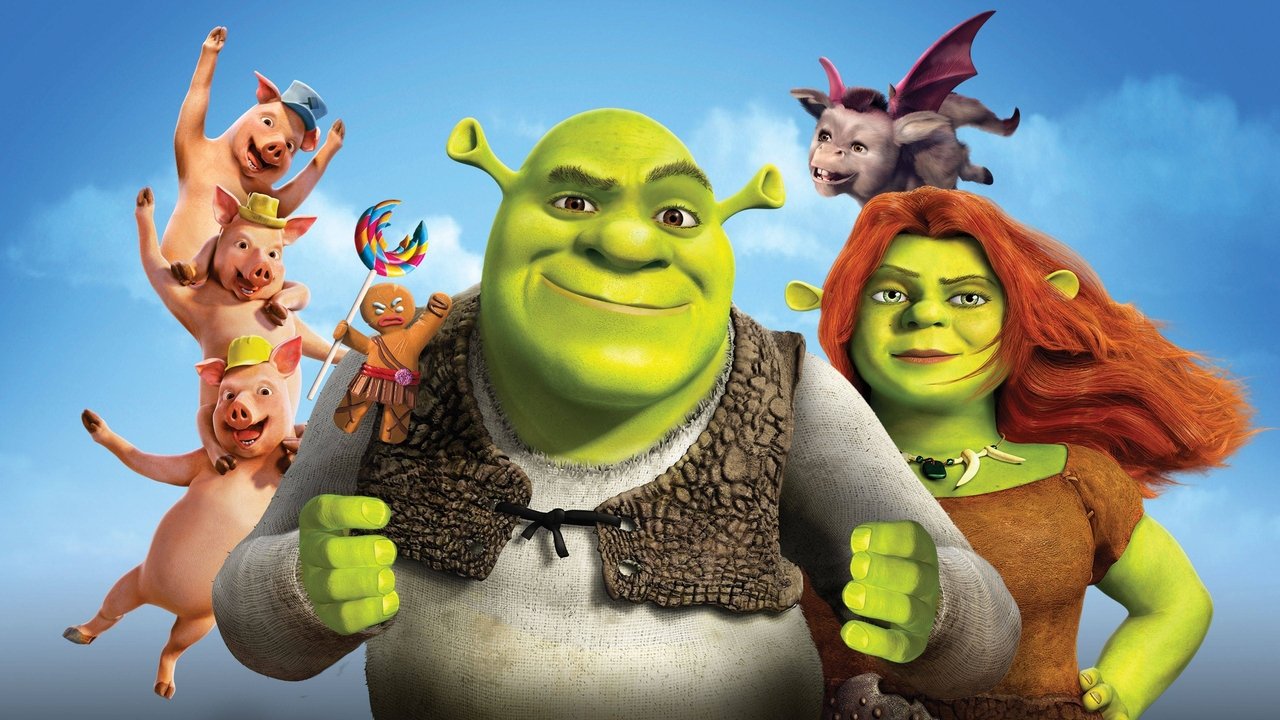
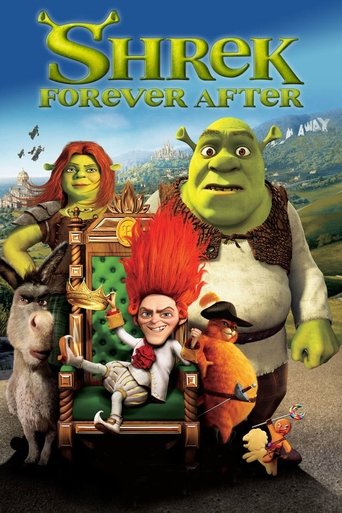
Shrek Forever After opens with Shrek feeling the weight of domestic life. Changing diapers and signing autographs for villagers isn’t the ogre life he dreamed of. He misses the days when he was feared and free. Enter Rumpelstiltskin, who offers him a deal: one day as a 'real ogre' in exchange for one day from Shrek’s past. Shrek signs the contract, not realizing it wipes him from existence.
Suddenly, Shrek finds himself in a twisted version of Far Far Away where ogres are hunted, Fiona leads a resistance, and he’s never met her or Donkey. Rumpelstiltskin rules the kingdom, and Shrek’s old friends don’t recognize him. Panicked, Shrek tries to undo his mistake, but he’s stuck in this alternate reality until he earns Fiona’s true love’s kiss.
What follows is a mix of humor and heartfelt moments as Shrek rediscovers what he truly values. The film balances its absurd humor with genuine emotional stakes, making it more than just a series of jokes.
That final confrontation with Rumpelstiltskin brings everything full circle — and makes the whole adventure worth it.
Direction & Cinematography
Mike Mitchell takes the reins for this final installment, and while he doesn’t reinvent the wheel, he delivers a solidly entertaining film. The alternate-reality premise allows for creative visual flourishes, like the darker, more sinister version of Far Far Away. One standout scene is Shrek’s first encounter with Fiona’s ogre resistance — the lighting and framing make it feel like a war movie, which is a fun twist.
What struck me was how Mitchell balances the film’s tone. It’s still a comedy, but there’s a noticeable shift toward introspection. Shrek’s midlife crisis isn’t played purely for laughs; it’s treated with enough weight to make his journey meaningful.
But the pacing stumbles a bit in the middle. The alternate-reality setup is great, but some scenes feel like filler, especially the ones focusing on Donkey and Puss in Boots’ antics. Still, Mitchell keeps the emotional core intact, which saves the film from feeling like a cash grab.
Cast & Performances
Mike Myers brings Shrek back with the same gruff charm, but there’s a weariness here that fits the character’s arc. His delivery of 'I just wanna be alone' carries a surprising weight — it’s a midlife crisis line, but Myers makes it feel genuine.
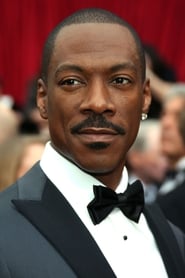
Eddie Murphy’s Donkey is as hilarious as ever, though he doesn’t get as much screen time as in previous films. His banter with Antonio Banderas’ Puss in Boots is a highlight, though it sometimes feels like they’re just rehashing old jokes.
Cameron Diaz’s Fiona gets a more active role this time, leading the ogre resistance. Her chemistry with Myers remains strong, and her fiercer side adds a nice dimension to the character. Walt Dohrn’s Rumpelstiltskin is a delightfully over-the-top villain, though he lacks the menace of Lord Farquaad.
Character Psychology
On the surface, Shrek wants to escape the monotony of his life and return to being a feared ogre. But what he really needs is to appreciate what he has — Fiona, Donkey, and the family he’s built.
What’s interesting is how Shrek’s journey mirrors a classic midlife crisis. It’s not just about wanting freedom; it’s about forgetting why he fought for love in the first place. By the end, he realizes that being feared isn’t nearly as fulfilling as being loved.
Themes & Emotional Depth
Shrek Forever After is ultimately about appreciating what you have. Shrek’s journey through an alternate reality forces him to confront the life he took for granted. It’s a universal theme, but it’s grounded in specific moments, like his realization that Fiona’s love is worth fighting for.
The film also touches on identity and self-worth. Shrek’s struggle to feel like a 'real ogre' reflects how we all grapple with societal expectations versus our true selves. Fiona’s arc reinforces this, as she embraces her ogre nature without apology.
Memorable Scenes & Dialogue
One standout scene is Shrek’s first encounter with Fiona’s resistance. The dim lighting and tense atmosphere make it feel more like a war movie than a kids’ film. Fiona’s transformation into a fierce leader is a highlight, and the action sequence that follows is well-paced and exciting.
Another memorable moment is Donkey and Puss in Boots’ 'Mission Impossible' parody. While it’s a bit over-the-top, Murphy and Banderas sell it with their comedic timing. The scene where Shrek finally earns Fiona’s trust — and her kiss — is surprisingly touching, thanks to Myers and Diaz’s chemistry.
The Ending — Does It Deliver?
The climax, where Shrek faces Rumpelstiltskin to undo the contract, feels earned. It’s a culmination of Shrek’s emotional journey, and the stakes are personal rather than just about saving the kingdom. What surprised me was how much weight the final moments carry.
The last shot, with Shrek returning to his family, leaves you with a sense of closure. It’s not just a happy ending; it’s a reminder of why we fell in love with Shrek in the first place.
What Works
The alternate-reality premise gives the film a fresh twist, allowing for creative storytelling and visual gags. Shrek’s emotional journey is handled with care, making it more than just a comedy. Fiona’s expanded role as a resistance leader adds depth to her character. The voice performances, especially Mike Myers and Cameron Diaz, bring warmth and humor to the story.
Honest Criticism
The middle section drags, particularly during Donkey and Puss in Boots’ subplot. Their antics feel repetitive and don’t add much to the main story. Rumpelstiltskin, while funny, lacks the menace of previous villains like Lord Farquaad. Some of the jokes feel like retreads from earlier films.
How It Compares
Compared to Shrek 2, Forever After lacks the same level of sharp satire and cultural commentary. However, it’s more focused than Shrek the Third, which felt like a series of disjointed gags. It’s similar to It’s a Wonderful Life in its alternate-reality premise, but with a much sillier tone.
Where it succeeds is in its emotional core. Shrek’s journey feels more personal here than in the previous sequels, making it a fitting end to the series.
Legacy & Cultural Impact
Shrek Forever After was marketed as the final chapter in the franchise, and it performed decently at the box office, grossing $752 million worldwide. While critics were mixed, fans generally appreciated its heartfelt conclusion. It didn’t win major awards, but it remains a solid entry in the Shrek series.
The film’s legacy lies in its ability to wrap up Shrek’s story with both humor and heart. It’s not as groundbreaking as the first two films, but it’s a worthy farewell.
Behind the Scenes
Walt Dohrn, who voices Rumpelstiltskin, also served as the film’s storyboard artist. The character’s design was inspired by Dohrn’s own sketches.
Mike Mitchell was brought in as director after Andrew Adamson, who directed the first two films, decided not to return. The film went through several script revisions before settling on the alternate-reality concept.
Who Should Watch It?
Fans of the Shrek series will appreciate this heartfelt conclusion, especially those who enjoyed the mix of humor and emotion in the first two films. Families looking for a fun, but meaningful, animated movie will find a lot to enjoy.
Viewers who didn’t connect with the earlier Shrek films might find this one too familiar or predictable. Those expecting groundbreaking humor should temper their expectations.
Final Verdict
Shrek Forever After is a satisfying conclusion to the franchise, blending humor with heartfelt moments. While it doesn’t reach the heights of Shrek 2, it’s a step up from Shrek the Third. The alternate-reality twist adds freshness, and the emotional stakes make Shrek’s journey compelling.
What works best is the film’s focus on Shrek and Fiona’s relationship, which gives the story genuine weight. If you’re a fan of the series, it’s worth watching for the closure it provides. If you’re new to Shrek, start with the first two films — but don’t skip this one if you enjoy them.
More details, ratings, and cast information on IMDb, TMDB, Wikipedia. YouTube