- 1Movie Overview
- 2Direction & Cinematography
- 3Cast & Performances
- 4Character Psychology
- 5Themes & Emotional Depth
- 6Memorable Scenes & Dialogue
- 7The Ending — Does It Deliver?
- 8What Works
- 9Honest Criticism
- 10How It Compares
- 11Legacy & Cultural Impact
- 12Behind the Scenes
- 13Who Should Watch It?
- 14Final Verdict
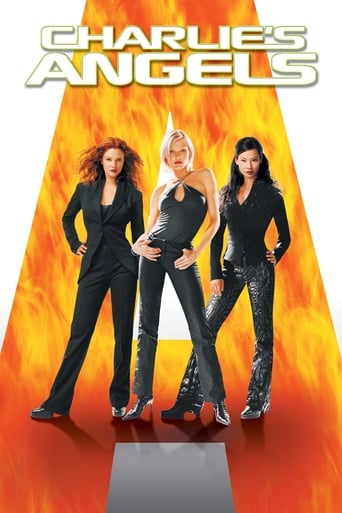
Movie Overview
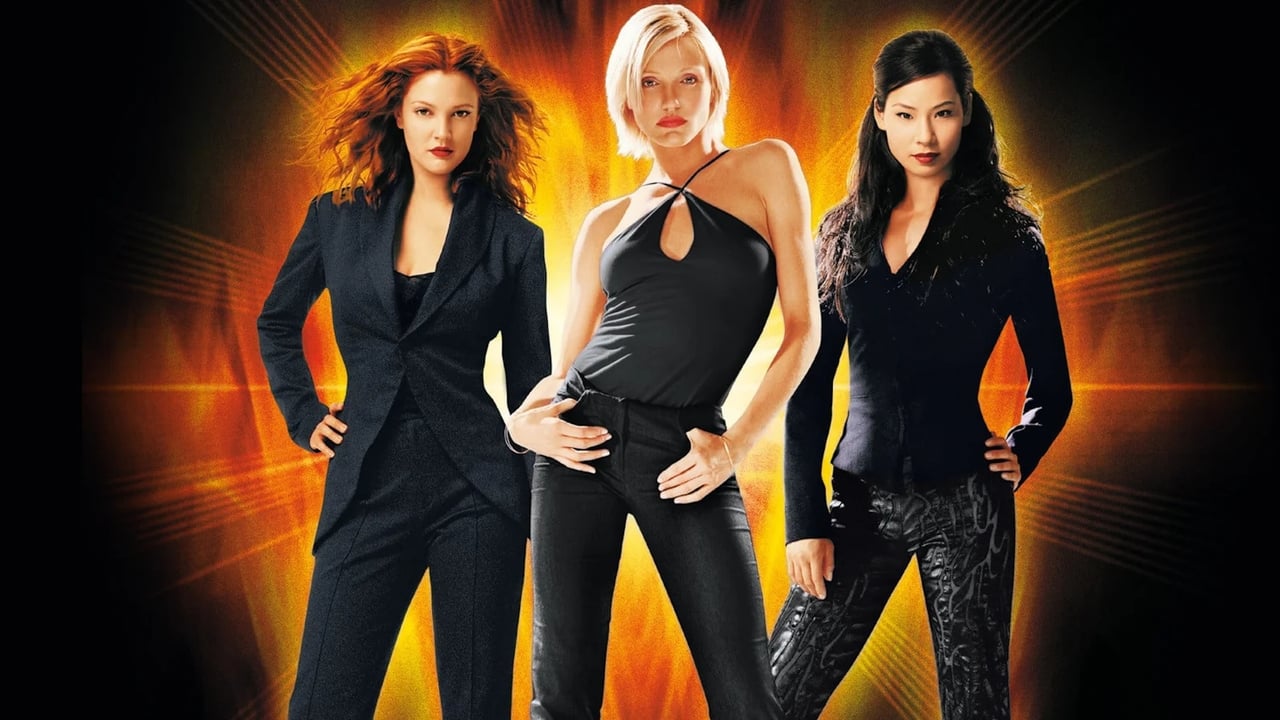
The first scene throws us right into the action: Natalie (Diaz), Dylan (Barrymore), and Alex (Liu) — three impossibly glamorous private investigators — infiltrate a yacht party disguised as belly dancers. Their mission? Recover stolen voice-ID software from a tech billionaire (Sam Rockwell), who’s secretly planning to weaponize it for global surveillance. I'll admit I didn't expect much from the setup, but the Angels' banter during the heist hooked me immediately.
What follows is a string of increasingly absurd missions involving disguises, martial arts, and one unforgettable scene where Dylan fights a henchman while dressed as a man in a fat suit. The stakes escalate when they discover their client (Kelly Lynch) has betrayed them, putting Bosley (Bill Murray) in mortal danger. On rewatch, I noticed how thin the 'privacy invasion' theme really is — this is just an excuse for set pieces.
The emotional core, such as it is, comes from Dylan's unresolved guilt over an old mission gone wrong. There’s a half-hearted attempt to give her arc weight when she confronts the villain, but the film pivots quickly back to gags and explosions. What stayed with me after the credits wasn’t the plot, but the sheer joy of watching Diaz backflip through a laser grid while Barrymore cracks jokes.
That final car chase along the beach? Pure nonsense. Delightful nonsense.
Direction & Cinematography
McG (real name: Joseph McGinty Nichol) makes his feature debut here, and it shows. His background in music videos is obvious — every fight scene is cut like a pop song, with rapid edits and Dutch angles galore. Personally, I think the direction works best in small doses, like the slow-motion shot of the Angels strutting towards the camera in matching red jumpsuits, Aerosmith blaring in the background. That moment didn’t need to make sense. It just needed to look cool.
But the pacing suffers whenever the film tries to be serious. The scene where Dylan mourns a fallen comrade grinds everything to a halt, and McG doesn’t seem to know how to shoot dialogue without resorting to unnecessary whip pans. What struck me on rewatch was how much better the action scenes play when he lets the actors’ physicality lead, like Liu’s crisp takedown of a goon using only a pool cue.
The tone veers wildly from parody to sincerity, but that’s part of the charm. I kept waiting for the film to commit to being outright satire, and it never quite does — yet somehow, that indecision becomes its identity.
Cast & Performances
Cameron Diaz’s Natalie is all sunshine and roundhouse kicks, and she makes it work. Watch how she delivers the line 'I’m a vegetarian… except for fish… and steak' with absolute conviction while dangling from a helicopter. It shouldn’t be funny, but Diaz sells the ditziness without winking at the camera.
Drew Barrymore, who also produced, gives Dylan a scrappy energy that feels lived-in. Her fight in the fat suit is the film’s highlight because she commits to every clumsy punch. That said, the dramatic scenes where she grapples with her past fall flat — Barrymore’s strength is physical comedy, not brooding.
Lucy Liu’s Alex is underused, though she nails the deadpan one-liners ('I’d say that was a big banana split'). What surprised me most was Bill Murray’s sleepy Bosley; he’s clearly having fun, but his improv scenes drag. Sam Rockwell chews scenery as the villain, though his twist reveal doesn’t land as hard as it should.
Character Psychology
On the surface, the Angels want to stop a tech mogul from violating privacy rights. What they really need? To prove they’re more than just pretty faces in tight outfits. The film gestures at this during the finale, but undercuts it by having them win through sex appeal as much as skill.
Dylan is the only one with emotional baggage, but her arc resolves too neatly. She doesn’t change so much as shrug off guilt between fight scenes.
Themes & Emotional Depth
Beneath the glitter, Charlie’s Angels is about performance — both the literal kind (disguises, staged seductions) and the societal expectation for women to be effortlessly perfect. The Angels weaponize femininity to disarm men, like when Alex distracts guards by pretending to cry about her boyfriend.
It’s also a pre-#MeToo fantasy where women beat up toxic men without consequences. The scene where Natalie karate-chops a room full of executives after they leer at her plays like catharsis, but the film never examines why that catharsis feels good.
Memorable Scenes & Dialogue
The fat suit fight: Dylan, disguised as a heavyset man, brawls with a henchman in an office, using everything from a stapler to a water cooler. It works because Barrymore commits fully to the slapstick physics, and McG shoots it like a Looney Tunes cartoon.
The laser grid heist: Natalie backflips through a security system while Dylan and Alex argue over walkie-talkies. Diaz’s athleticism sells the impossible stunt, and the sisters-from-different-misters dynamic shines.
Bosley’s karaoke scene: Murray murdering ‘I Will Survive’ in a wig should be cringe, but his unhinged commitment makes it weirdly endearing.
The Ending — Does It Deliver?
The finale on the beach is pure spectacle over sense — helicopters! Jet skis! Exploding drones! It doesn’t resolve the privacy theme so much as bury it under pyrotechnics. That bothered me slightly at first, but on rewatch, I realized the film never promised depth.
The last shot of the Angels lounging on the beach, mission accomplished, left me grinning. It’s empty calories, but sometimes you crave junk food.
What Works
The chemistry between the three leads is undeniable — their overlapping dialogue in the van scenes feels improvised and genuine. Diaz’s physical comedy, especially during the laser sequence, elevates the material. The soundtrack (featuring Destiny’s Child’s iconic ‘Independent Women’) perfectly matches the film’s early-2000s swagger. And the costuming deserves praise: those outfits are ridiculous, but they became instant pop culture fixtures.
Honest Criticism
The villain’s motive is laughably vague (‘destroy privacy’ — okay, but why?). Murray’s Bosley feels tacked on, like the writers forgot to give him a purpose. The attempted emotional beats around Dylan’s past fall flat because the film undercuts them with quips. And the CGI hasn’t aged well, particularly the green-screen car chases.
How It Compares
Compared to other 2000s action-comedies like Miss Congeniality or Mr. & Mrs. Smith, Charlie’s Angels wins on pure energy but loses on character depth. It’s more visually inventive than most Marvel films, though not as tightly plotted.
The closest analog might be Austin Powers, but where that film leans into parody, Angels can’t decide if it’s in on the joke. Still, I’d take Diaz’s comedic timing over Mike Myers’ schtick any day.
Legacy & Cultural Impact
The film was a box office hit ($264M globally) but divided critics, with Roger Ebert calling it 'loud, silly, and proud of it.' It spawned a 2003 sequel and a 2019 reboot, though neither captured the original’s fizzy charm.
Its real influence is in proving women could headline action films without being grim — a blueprint later used in Atomic Blonde and Birds of Prey.
Behind the Scenes
Diaz did most of her own stunts, including the backflip through lasers. She trained for months in martial arts.
The script originally had a darker tone before Barrymore pushed for more humor. The fat suit scene was her idea.
Tom Green’s cameo as Barrymore’s boyfriend was added last-minute; they were dating at the time.
Who Should Watch It?
If you love early-2000s camp or miss when action films prioritized fun over lore, this is your jam. Fans of Diaz, Barrymore, or Liu will find plenty to enjoy. But viewers who need logical plots or nuanced characters should steer clear.
Final Verdict
Charlie’s Angels isn’t deep, but it’s a blast. I’m giving it a 7.2 for sheer rewatchability — no one does a backflip in heels quite like Diaz. The script could’ve used another pass, and the villain is forgettable, but the leads’ charm carries the day. Put it on when you need a pick-me-up with zero nutritional value.
More details, ratings, and cast information on IMDb, TMDB, Wikipedia. YouTube