- 1Movie Overview
- 2Direction & Cinematography
- 3Cast & Performances
- 4Character Psychology
- 5Themes & Emotional Depth
- 6Memorable Scenes & Dialogue
- 7The Ending — Does It Deliver?
- 8What Works
- 9Honest Criticism
- 10How It Compares
- 11Legacy & Cultural Impact
- 12Behind the Scenes
- 13Who Should Watch It?
- 14Final Verdict
- Genre: Drama, Science Fiction
- Director: Lars von Trier
- Year: 2011
- Runtime: 2h 16m
- Language: English (EN)
- TMDB Rating: ⭐ 7.2/10
Movie Overview
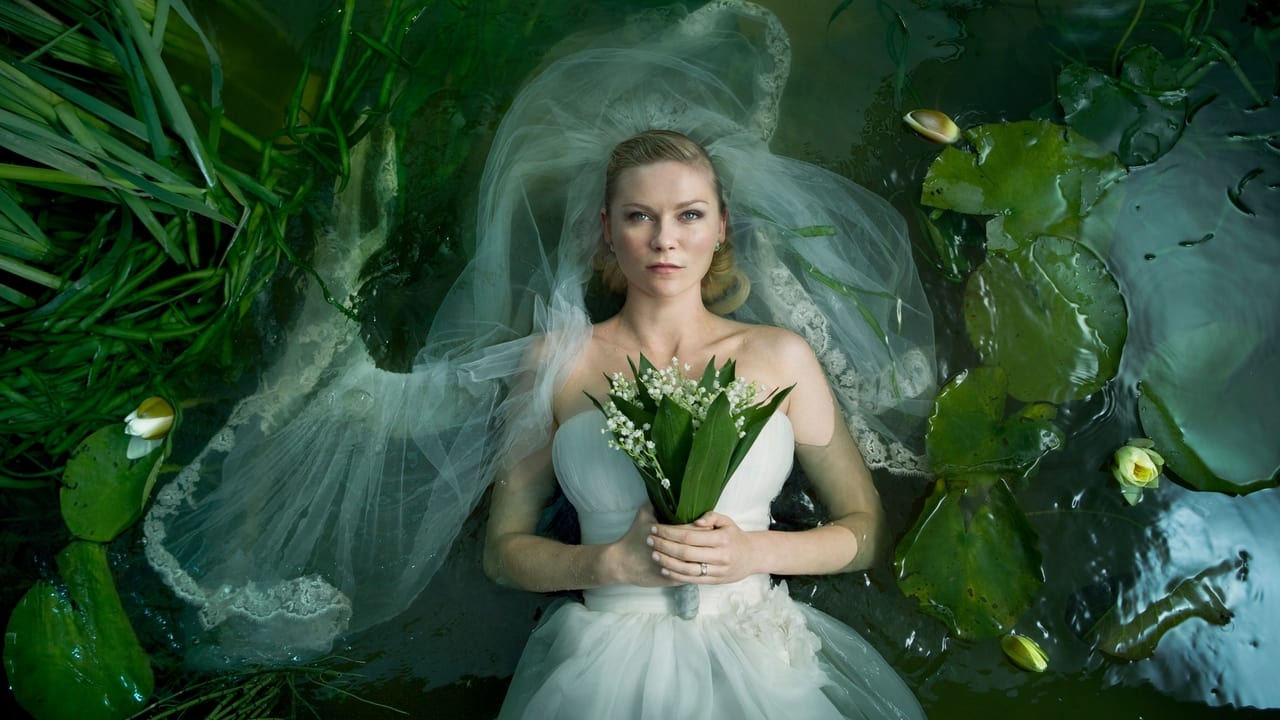
Justine (Kirsten Dunst) arrives late to her own wedding reception at a remote estate, already radiating a quiet despair that no one seems to notice. The lavish party — paid for by her sister Claire (Charlotte Gainsbourg) and brother-in-law John (Kiefer Sutherland) — becomes a pressure cooker as Justine sabotages her marriage before it really begins. What stayed with me after the credits is how no one calls her out on it; they're too busy pretending everything's fine. Meanwhile, a rogue planet named Melancholia looms in the sky, inching closer to Earth through the film's two distinct halves. The first follows Justine's unraveling; the second shows Claire's panic as the end becomes inevitable.
Direction & Cinematography
Lars von Trier opens with a series of slow-motion tableaus of the film's climax — bodies floating, birds falling from the sky — set to Wagner's 'Tristan und Isolde.' It's a bold choice that colors everything that follows with dread. His handheld camerawork during the wedding scenes feels claustrophobic, as if we're trapped in Justine's dissociation. But what surprised me most was how he frames the approaching planet: it's often glimpsed through windows or over shoulders, like an idea you can't shake. On rewatch, I noticed he rarely lets us see characters and the planet in the same wide shot — keeping the threat feeling unreal until it isn't.
Cast & Performances
Kirsten Dunst's Justine moves through her wedding like a sleepwalker who occasionally jolts awake to say something cruel. Watch how she digs her fingers into the earth during a breakdown — it's the first time she seems present. Charlotte Gainsbourg plays Claire as someone clinging to routines (even making sandwiches as doom approaches) until her composure shatters in one unforgettable bathtub scene. Kiefer Sutherland's John is the weak link — his smug astronomer act never quite lands, though that might be the point. The scene where he realizes he's wrong about the planet should devastate, but I kept waiting for more from him.
Character Psychology
Justine wears depression like armor. She pushes people away because she already sees the pointlessness they're all about to confront. Claire needs control — over her sister, over the threat — and her arc is realizing she never had any. The planet becomes a mirror for both sisters: Justine welcomes it; Claire fights it. Neither changes the outcome.
Themes & Emotional Depth
This isn't really about the end of the world. It's about how people face what they can't control. Justine's depression makes her the only one prepared for catastrophe, while 'normal' people like Claire unravel. Von Trier stages the apocalypse as almost mundane — no heroics, just a rich family on a golf course waiting to die.
Memorable Scenes & Dialogue
The opening sequence's slow-motion doom plays like a beautiful nightmare, Wagner's score making it feel grand and inevitable. Justine lying naked in the riverbank glow of the planet — a moment of eerie peace before annihilation. The final shot holds on a makeshift 'magic cave' the sisters build for Claire's son, a fragile shelter against the impossible.
The Ending — Does It Deliver?
The ending feels earned because von Trier makes clear from minute one where we're headed. What surprised me is how small it stays — no grand speeches, just two sisters holding hands as light fills the frame. I'll admit I didn't expect to feel relief when impact comes, but Dunst's performance makes Justine's acceptance contagious.
What Works
Dunst's fearless performance makes mental illness feel physical — you see the weight of it in her slouched walk. The celestial imagery avoids sci-fi clichés, treating the planet more like a character. Von Trier's decision to spoil the ending upfront creates fascinating tension; we watch people ignore what we know is coming.
Honest Criticism
The wedding section drags in places, especially with side characters who add little. Sutherland's performance never finds the right pitch between smug and scared. Some will find the pacing punishing — this isn't a film in a hurry.
How It Compares
It shares DNA with other end-of-the-world dramas like 'Seeking a Friend for the End of the World' (but bleaker) and 'Don't Look Up' (but more interior). Where it beats them is visual poetry — no other apocalypse film looks this gorgeous. Where it loses is accessibility; von Trier's style won't work for everyone.
Legacy & Cultural Impact
Won Dunst Best Actress at Cannes (controversially, given von Trier's Nazi comments that same fest). Box office was modest ($16M) but it found cult status. You can see its influence in later films about 'quiet apocalypses' like 'Leave the World Behind,' though none match its hypnotic dread.
Behind the Scenes
Von Trier wrote the script during depression treatment. The Wagner cue was temp music they kept after failing to find better. Dunst improvised the wedding cake vomiting scene in one take.
Who Should Watch It?
Patient viewers who like psychological depth over plot will find it rewarding. Anyone needing conventional storytelling or a hopeful ending should steer clear.
Final Verdict
I'm giving it 8.2 — not perfect, but unforgettable. The flaws matter less than what lingers: Dunst's performance, those haunting images, the way it stares down doom without blinking. See it for the most beautiful apocalypse ever filmed, but only if you're okay with despair served straight.
More details, ratings, and cast information on IMDb, TMDB, Wikipedia. YouTube