- 1Movie Overview
- 2Direction & Cinematography
- 3Cast & Performances
- 4Character Psychology
- 5Themes & Emotional Depth
- 6Memorable Scenes & Dialogue
- 7The Ending — Does It Deliver?
- 8What Works
- 9Honest Criticism
- 10How It Compares
- 11Legacy & Cultural Impact
- 12Behind the Scenes
- 13Who Should Watch It?
- 14Final Verdict
- Genre: Fantasy, Animation, Romance, Family
- Director: Clyde Geronimi
- Year: 1959
- Runtime: 1h 15m
- Language: English (EN)
- TMDB Rating: ⭐ 6.9/10
Movie Overview
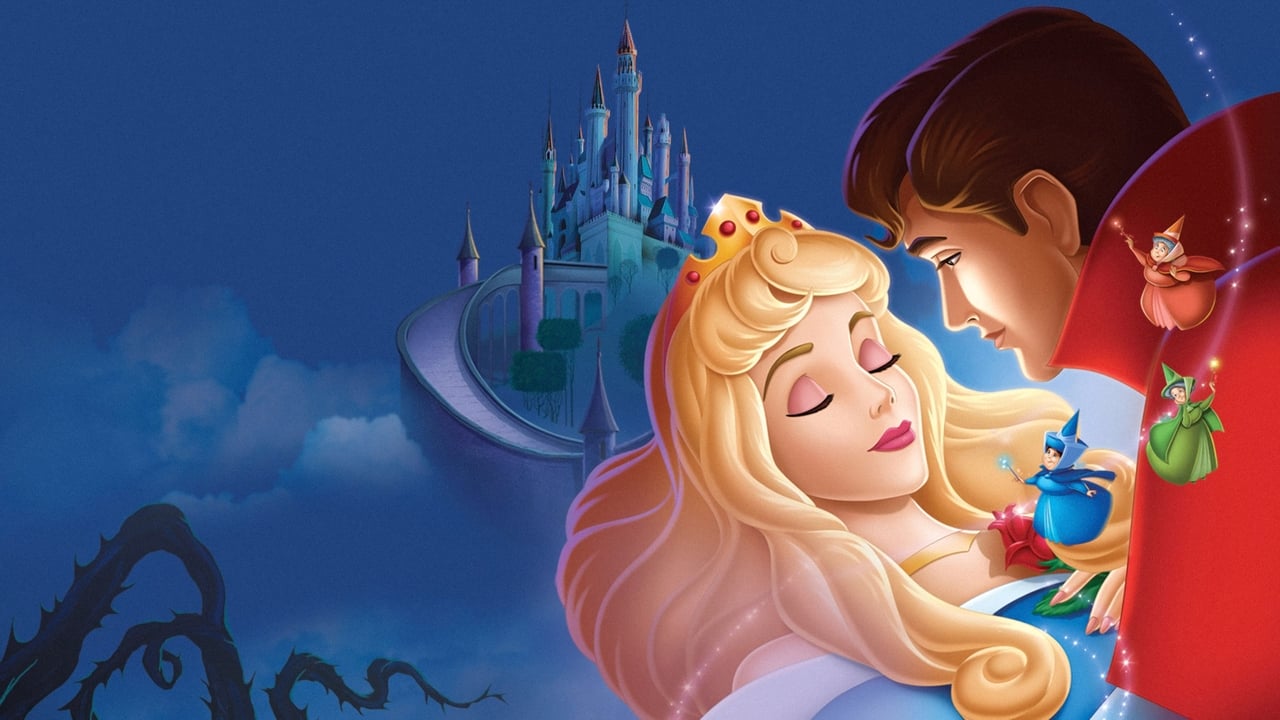
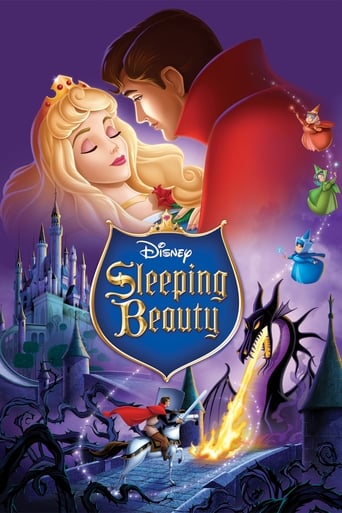
Sleeping Beauty begins with a curse — Maleficent, the dark fairy, declares that Princess Aurora will prick her finger on a spindle and die before sunset on her 16th birthday. To protect her, Aurora is sent to live in hiding with three kindly fairies. Raised as Briar Rose, Aurora knows nothing of her royal lineage. But the fairies can’t erase her destiny, and Maleficent’s determination only grows stronger. Aurora falls in love with Prince Phillip, unaware of who he truly is, which complicates things further.
Direction & Cinematography
Clyde Geronimi’s direction is most notable for its visual ambition. The film’s use of widescreen Technirama was groundbreaking for Disney at the time, and the painted backgrounds feel like medieval tapestries come to life. But the pacing is uneven. The first act drags as the fairies flit around Aurora’s childhood, while the final confrontation feels rushed. What struck me most was how Maleficent’s scenes carry a weight and darkness that the rest of the film struggles to match. On rewatch, I noticed how much of Aurora’s story is told through the lens of others — the fairies, Phillip, even Maleficent herself.
Cast & Performances
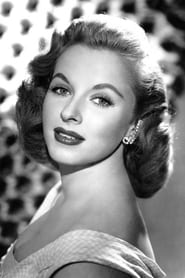
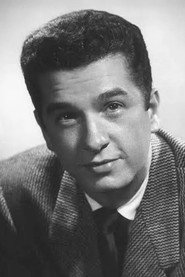
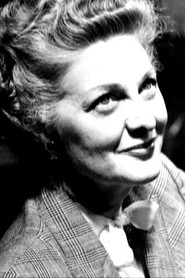
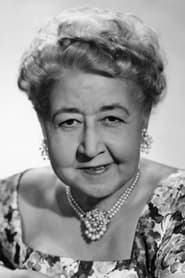
Mary Costa’s Aurora has a lovely singing voice, but her character feels more like a plot device than a person. Her wide-eyed innocence is endearing, though it borders on passive. Bill Shirley’s Prince Phillip is more engaging, especially in his scenes with his horse, Samson. There’s a playfulness to his delivery that hints at a personality beyond the typical Disney prince. But it’s Eleanor Audley’s Maleficent who steals the show. Her deep, menacing voice and regal presence make her one of Disney’s most compelling villains. Verna Felton and Barbara Luddy, as Flora and Merryweather, bring warmth and humor to their roles, though their bickering can feel repetitive.
Character Psychology
Aurora wants a simple life, dreaming of love in the forest — but what she needs is to face her destiny and reclaim her identity. Unfortunately, she doesn’t get much opportunity to grow into that role. Maleficent, on the other hand, is driven by pure spite. Her motivations are shallow, but her charisma makes her fascinating.
Themes & Emotional Depth
Sleeping Beauty explores the inevitability of fate. Aurora’s curse can’t be avoided, only delayed. The film also touches on the tension between innocence and experience — Aurora’s sheltered life contrasts sharply with Maleficent’s world-weary malevolence. In the forest scene, Aurora’s naivety feels almost fragile, like she’s teetering on the edge of a darker reality.
Memorable Scenes & Dialogue
Maleficent’s transformation into a dragon is a standout moment. The animation is fluid and terrifying, and her roar echoes with genuine menace. The forest scene where Aurora sings 'Once Upon a Dream' is visually enchanting, with its soft lighting and dreamlike atmosphere. The final battle, with Phillip hurling his sword like a javelin, is thrilling — though it feels a little rushed.
The Ending — Does It Deliver?
The climax is exciting but uneven. Phillip’s confrontation with Maleficent is well-staged, but the resolution feels abrupt. The kiss that awakens Aurora is iconic, though it lacks emotional depth. What stayed with me after the credits was Maleficent’s final scream — it’s a moment of raw power that overshadows the rest of the scene.
What Works
The film’s visual style is its greatest strength. Eyvind Earle’s background designs are breathtaking, blending medieval art with modernist simplicity. Maleficent’s animation is flawless, from her poised movements to her dragon transformation. Tchaikovsky’s score adds grandeur and tension, elevating even the slower scenes.
Honest Criticism
Aurora’s character is underdeveloped, and her romance with Phillip feels rushed. The fairies’ comic relief often interrupts the story’s momentum. Maleficent’s villainy, while compelling, isn’t given enough context — her motivations remain shallow.
How It Compares
Compared to Snow White (1937), Sleeping Beauty is more visually ambitious but less emotionally involving. Cinderella (1950) handles its heroine’s arc with more nuance, though it lacks Maleficent’s sheer magnetism. Beauty and the Beast (1991) would later balance romance and menace far more effectively.
Legacy & Cultural Impact
Sleeping Beauty was a box office disappointment at the time, but its visual style has since been reappraised. It won no Oscars, though its score was nominated. The film’s influence on Disney’s later films, particularly Maleficent’s characterization, is undeniable. It remains a classic for its artistry, if not its storytelling.
Behind the Scenes
Sleeping Beauty was Disney’s most expensive film at the time, costing $6 million — a massive sum in 1959. Mary Costa was cast as Aurora after Walt Disney heard her sing at a dinner party. The film’s widescreen format was inspired by European cinema, particularly the works of Sergei Eisenstein.
Who Should Watch It?
Disney animation fans will appreciate Sleeping Beauty’s artistry, and Maleficent is a treat for anyone who loves a classic villain. Viewers looking for deeper character development or a more engaging heroine might find it lacking.
Final Verdict
Sleeping Beauty earns its status as a Disney classic, but more for its visuals than its storytelling. The animation and Maleficent’s performance make it worth watching, though the film’s uneven pacing and thin characters hold it back. If you’re here for the spectacle, you won’t be disappointed.
More details, ratings, and cast information on IMDb, TMDB, Wikipedia. YouTube