- 1Movie Overview
- 2Direction & Cinematography
- 3Cast & Performances
- 4Character Psychology
- 5Themes & Emotional Depth
- 6Memorable Scenes & Dialogue
- 7The Ending — Does It Deliver?
- 8What Works
- 9Honest Criticism
- 10How It Compares
- 11Legacy & Cultural Impact
- 12Behind the Scenes
- 13Who Should Watch It?
- 14Final Verdict
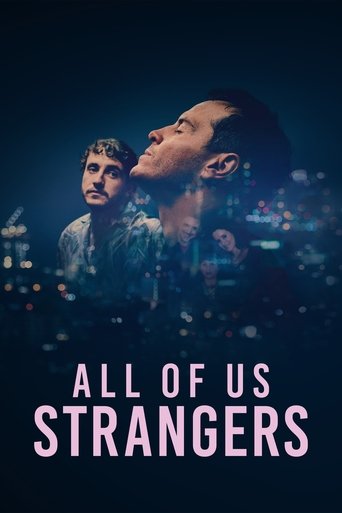
- Genre: Romance, Drama, Fantasy
- Director: Andrew Haigh
- Year: 2023
- Runtime: 1h 45m
- Language: English (EN)
- TMDB Rating: ⭐ 7.4/10
Movie Overview
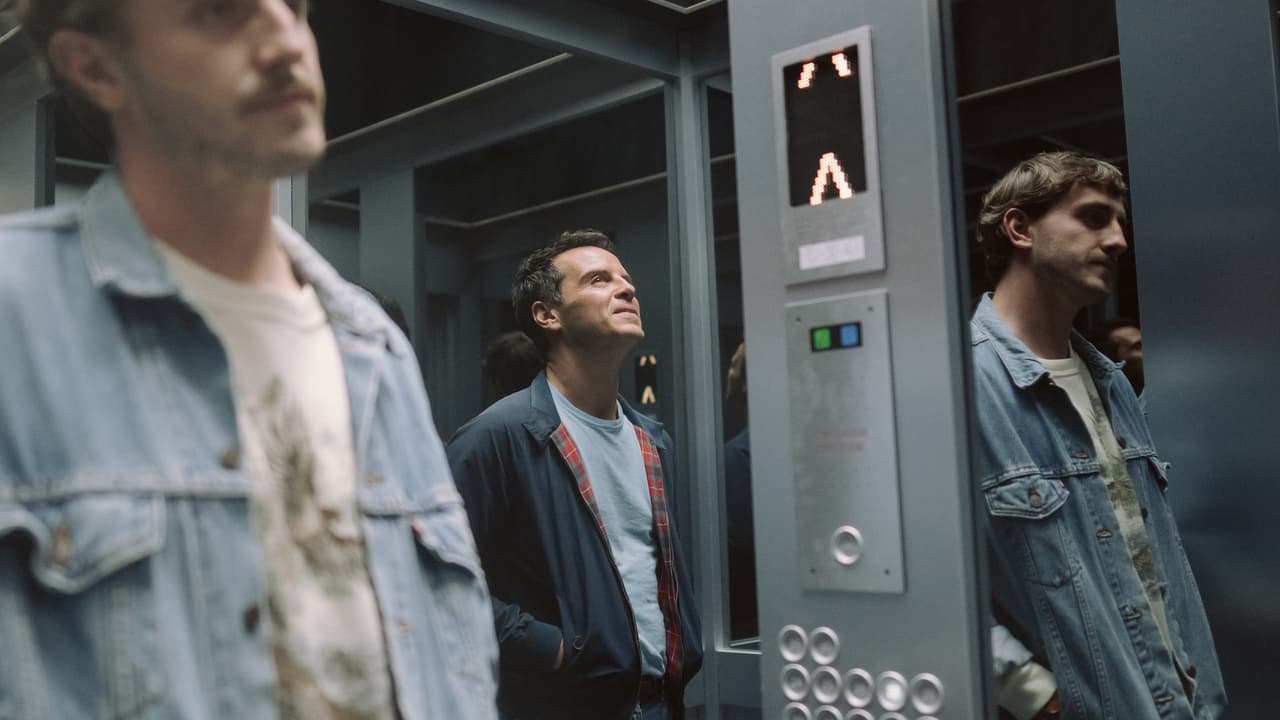
All of Us Strangers opens with Adam, played by Andrew Scott, a lonely writer living in a nearly deserted tower block in London. His dull routine is disrupted when he meets Harry, portrayed by Paul Mescal, a charismatic neighbor who seems to understand Adam in ways he himself does not. Their connection quickly deepens, revealing layers of longing and unresolved grief as they share intimate conversations late into the night.
As Adam spends more time with Harry, he grapples with painful memories from his past, particularly surrounding the loss of his parents. In a film that walks the line between realism and fantasy, the plot explores what it means to find someone who not only sees you but also accepts you entirely. But just as Adam begins to find solace, the film teases a darker undercurrent that complicates his newfound happiness.
What stayed with me after the credits was the film's ability to evoke feelings of nostalgia and regret through its tender exchanges. Each moment unfolds like a memory, layered with unspoken truths that challenge Adam’s understanding of love and loss. The climax forces Adam to confront what he's truly searching for, delivering an emotional punch that’s both satisfying and thought-provoking.
Overall, the film creates a rich tapestry of emotion, blending the mundane with moments of surreal connection, leaving viewers to ponder the nature of their own relationships long after the screen goes dark.
Direction & Cinematography
Andrew Haigh's direction is both deliberate and contemplative, capturing the essence of Adam's internal struggle. One of the standout choices is the way he frames Adam and Harry in close-up shots during their conversations. This intimacy draws viewers into the vulnerability of their connection, allowing us to feel the weight of their shared histories and desires. Haigh balances moments of stillness with bursts of emotional intensity, creating a rhythm that mirrors the unpredictability of human connection.
But what struck me most was how the pacing allows tension to build subtly, especially in scenes where silence speaks louder than words. As Adam navigates his emotional landscape, the pauses between dialogue become almost palpable, compelling us to linger in the discomfort of his unresolved feelings. This careful pacing made moments of revelation more impactful.
The tone of the film oscillates between wistfulness and melancholy, pulling you into a dreamlike state. On rewatch, I noticed details in the cinematography that emphasized Adam's isolation, like the empty hallways and sterile environments that surround him. This choice reinforces the theme of searching for connection amidst loneliness, which ultimately defines the film’s emotional core.
Cast & Performances
Andrew Scott delivers a performance rich with subtlety, particularly in scenes where he reflects on his past. His body language communicates layers of grief and longing, especially when he talks about his parents. One moment that didn't land for me was a scene where he smiles too brightly, which felt a bit forced against the film's otherwise nuanced tone.
Paul Mescal's portrayal of Harry adds a vibrant energy that contrasts with Adam's melancholy. His laughter feels genuine, and in a scene where he comforts Adam after a painful recollection, I felt the weight of his empathy. While Mescal shines, I kept waiting for deeper backstory to surface, and it never fully arrived, leaving me wanting more depth to his character.
Claire Foy, despite limited screen time, leaves a lasting impression as a ghostly figure from Adam's past. Her ethereal presence during key moments adds a haunting quality that lingers in the audience’s mind. The way she interacts with Adam conveys a sense of both closure and unfinished business, elevating the emotional stakes of the narrative.
Character Psychology
At first, Adam appears to be searching for companionship to escape his isolation. He wants someone to share his life with, and Harry embodies that desire. However, beneath the surface, he needs to confront grief he hasn't fully processed, and this internal conflict complicates his journey.
The film hints that Adam is painfully aware of his emotional barriers but struggles to break them down. By the conclusion, it's clear he faces the choice to either embrace new love or remain shackled by his past. This duality shapes his character arc, and while he makes strides toward understanding, there's an element of uncertainty that lingers.
Themes & Emotional Depth
Exploration of loss and connection lies at the film's core, portrayed through Adam's relationships. The duality of past and present is evident when Adam reminisces about his childhood while forging something new with Harry. This theme resonates during the pivotal scene where Adam confronts his parents’ absence, revealing how memory shapes our present relationships.
Additionally, the film delves into the fragility of human connections. Adam's emotional journey forces the audience to reflect on their own relationships, questioning how much we allow ourselves to be vulnerable. The moments of intimacy between Adam and Harry serve as a reminder of the beauty and pain intertwined in seeking closeness with others.
Memorable Scenes & Dialogue
One standout scene occurs when Adam first enters Harry's apartment. The soft lighting and warm colors create an inviting atmosphere, sharply contrasting with Adam's sterile home. This visual shift not only enhances the sense of safety and intimacy but also symbolizes the emotional refuge Harry represents.
Another memorable moment is when Adam plays a record for Harry, the music swelling as they share an unspoken connection. The choice of song complements the emotional weight of the scene, and the way both actors respond to the music encapsulates their budding relationship. Haigh’s attention to detail in these moments elevates the film's emotional stakes.
The Ending — Does It Deliver?
The climax is both surprising and earned, as Adam finally confronts his past during an emotional outburst that left me breathless. I was initially uncertain about the direction the film would take, but Haigh skillfully navigates the narrative toward a cathartic release that feels both inevitable and poignant. The conversations become raw and honest, allowing Adam to express his buried grief.
The final shot left me with a mix of hope and uncertainty, as Adam stands alone yet empowered. It captures the essence of his journey: having faced the past, he’s now more equipped to embrace the future, though it remains unclear what that future holds for him. This ambiguous ending emphasizes the film's exploration of love and acceptance.
What Works
The intimate exchanges between Adam and Harry are beautifully crafted, particularly in scenes where silence fills the gaps between their words. Haigh’s direction allows the actors to express vulnerability through physicality. For example, in the record scene, the way they lean toward each other underscores their growing connection. Additionally, the cinematography captures the contrast between Adam’s isolation and the warmth of Harry’s presence, enriching the film's emotional landscape.
Honest Criticism
The subplot involving Adam's neighborhood feels somewhat underdeveloped. While it sets the stage for his isolation, the potential for depth is lost, especially when neighbors are introduced but never revisited. This missed opportunity left me wondering how their interactions could have further contextualized Adam’s emotional state. The film would have benefitted from a clearer connection between Adam's external world and his internal journey.
How It Compares
All of Us Strangers shares thematic elements with films like 'Her' and 'Eternal Sunshine of the Spotless Mind.' However, it distinguishes itself through its grounded approach and deep exploration of familial loss. Unlike 'Her,' which leans heavily into technology, Haigh’s film remains tethered to human relationships, focusing on emotional connections rather than artificial ones. While 'Eternal Sunshine' uses a surreal narrative to explore heartbreak, this film opts for a more straightforward approach that resonates with its audience in a different way.
Yet, where All of Us Strangers falls slightly short is in its pacing during the second act. Moments feel prolonged where they could’ve been tightened, especially in scenes where Adam reflects on his past without clear progression, risking viewer engagement.
Legacy & Cultural Impact
Since its release, All of Us Strangers has generated conversations around its exploration of grief and love in contemporary relationships, earning a TMDB rating of 7.4. Critics have praised Andrew Haigh’s ability to blend romance with elements of fantasy, reminiscent of his earlier work in 'Weekend.' While it hasn't garnered major awards yet, the film's emotional depth suggests it could resonate during upcoming awards seasons, particularly for its performances and direction. As discussions about loss and connection continue to evolve in cinema, this film plays a significant role in shaping those narratives.
Behind the Scenes
Andrew Scott was approached for the role of Adam after a chance meeting with Haigh at a film festival. Paul Mescal initially auditioned for a different role before landing Harry, showcasing his versatility. The film's shooting location in London's tower blocks added authenticity, as many scenes were shot in actual residences, creating a sense of realism that enhances the emotional impact.
Who Should Watch It?
This film will resonate with viewers who appreciate introspective narratives and character-driven stories. Fans of romance infused with elements of fantasy will find much to love here. However, those looking for more conventional romantic plots may find the pacing and emotional depth overwhelming, making it a pass for them.
Final Verdict
All of Us Strangers offers a poignant exploration of love, loss, and the connections that shape our lives. Haigh's direction and the strong performances by Andrew Scott and Paul Mescal create an engaging emotional experience. While it has minor pacing issues, the film ultimately succeeds in conveying its themes. If you enjoy character-driven stories that linger in your mind, this is worth your time.
More details, ratings, and cast information on IMDb, TMDB, Wikipedia. YouTube