- 1Movie Overview
- 2Direction & Cinematography
- 3Cast & Performances
- 4Character Psychology
- 5Themes & Emotional Depth
- 6Memorable Scenes & Dialogue
- 7The Ending — Does It Deliver?
- 8What Works
- 9Honest Criticism
- 10How It Compares
- 11Legacy & Cultural Impact
- 12Behind the Scenes
- 13Who Should Watch It?
- 14Final Verdict
- Genre: Drama, Romance, History
- Director: Chloé Zhao
- Year: 2025
- Runtime: 2h 5m
- Language: English (EN)
- TMDB Rating: ⭐ 7.7/10
Movie Overview
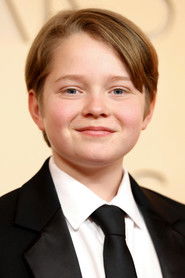
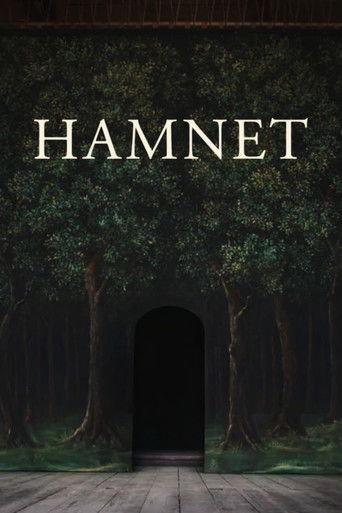
Hamnet introduces us to the heart-wrenching life of William Shakespeare and his family in late 16th-century England. The narrative centers around his son Hamnet, portrayed by Jacobi Jupe, whose untimely death becomes a catalyst for William's creative genius and ultimately inspires the creation of Hamlet. Early on, we see the joyous moments of the Shakespeare household, such as family dinners and playful interactions, which sharply contrast with the looming tragedy. I wasn't expecting to see such a vivid portrayal of domestic life, and it sets the stage for the emotional upheaval that follows.
As the story unfolds, we witness Anne Hathaway, played by Jessie Buckley, struggling with the impending loss of her son. Her raw portrayal of a mother’s grief felt genuinely palpable, particularly in scenes where she reflects on her dreams and aspirations that now feel shattered. This tension between love and loss creates a conflict that resonates throughout the film. The pacing varies from tender, quiet moments to sudden emotional crescendos, keeping the viewer engaged even when the dialogue is sparse.
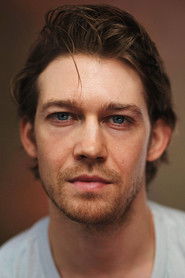
The film captures the ripple effects of Hamnet’s death on the entire family, including the famously enigmatic Shakespeare, played by Paul Mescal. His character grapples with his creative responsibilities while navigating the mourning process, which provides a fascinating lens to view the man behind the legend. There are moments where his character feels distant, almost like a ghost in his own home, which I found intriguing yet slightly frustrating, as his emotional journey seemed to be secondary to Anne's.
What stayed with me after the credits was the haunting depiction of how grief permeates creativity. The film concludes leaving us with the sense that while art may provide some solace, it often stems from profound pain. That lingering feeling makes the experience stick, even if the film’s slower moments left me craving a bit more urgency.
Direction & Cinematography
Chloé Zhao's direction in Hamnet infuses each scene with an intimate quality that feels almost documentary-like at times. One notable shot occurs during a family meal where the camera lingers on close-ups of the characters' faces, capturing the warmth and joy in their interactions. It’s a simple but effective choice that invests us in their mundane happiness. Zhao balances the pacing, allowing for long stretches of quiet that build emotional weight, though occasionally this leads to some lulls in tension.
What struck me most was Zhao's ability to maintain a grounded tone throughout the film. Even in the most tragic moments, the film doesn't tip into melodrama, which could easily happen given the subject matter. Instead, the tone remains reflective and somber, inviting viewers to ponder alongside the characters. I kept waiting for a dramatic outburst during Hamnet’s death scene, but Zhao opts for a more subdued approach, which some might find unsatisfying.
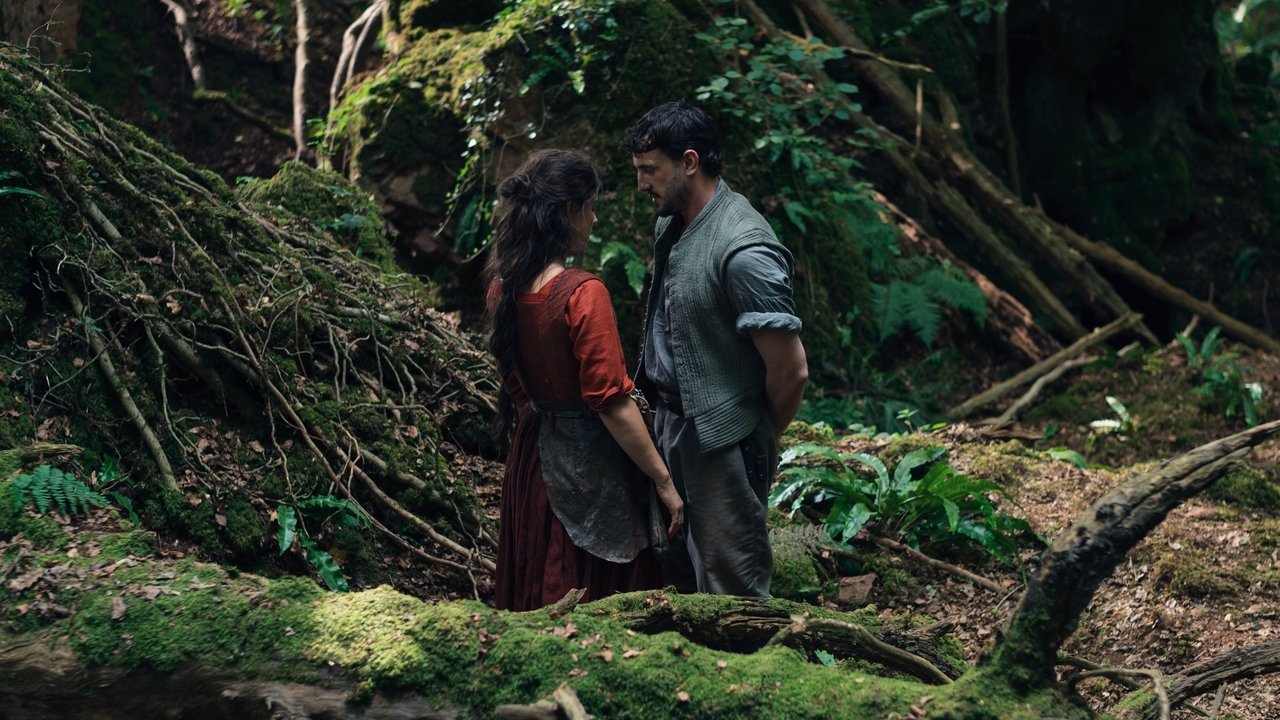
But the cinematography deserves recognition. The use of natural light fills each scene, enhancing the film's historical authenticity. The way light filters through the windows during key moments feels almost symbolic, as if illuminating the characters' internal struggles. This choice enhances the emotional stakes and helps convey the heaviness of loss without overt dramatization.
Cast & Performances
Jessie Buckley's portrayal of Anne Hathaway is a standout, particularly in moments where she wrestles with her grief. One scene where she clutches Hamnet’s toy while reciting lines from Shakespeare showcases both her despair and connection to William's work, making it a poignant moment in the narrative. I’ll admit I didn’t expect such depth from her performance; she truly embodies the character’s tumultuous emotional landscape.
Paul Mescal as Shakespeare presents a nuanced performance, especially in the quieter scenes where he contemplates the weight of his genius. His reaction when receiving news of Hamnet's illness is subtle yet powerful, showcasing a father’s helplessness without resorting to overt emotionality. However, there were moments when his distance from the family felt exaggerated, almost diminishing his role in the core emotional struggles.
Jacobi Jupe, as Hamnet, provides a youthful exuberance that contrasts sharply with the film's heavier themes. His playful interactions with his mother early in the film add a lightness that makes the tragedy of his fate all the more impactful. His performance includes small gestures, like a shy smile or a fleeting glance, that convey a deeply relatable innocence.
Character Psychology
William Shakespeare appears to want recognition and success through his writing, but what he truly needs is to connect with his family. His artistic aspirations often blind him to the emotional turmoil at home, leading to a tragic disconnect. On the surface, he seems self-assured, but the film reveals a man grappling with the pressure of legacy and loss.
Anne Hathaway, on the other hand, desires love and stability but is plagued by the inevitability of loss. She knows that her world is teetering on the edge, and while she fights to maintain normalcy, she ultimately fails to shield her family from tragedy. Her emotional arc is the film's core, and it’s heartbreaking to see her dreams collapse under the weight of grief.
Themes & Emotional Depth
Hamnet delves into the devastating effects of grief, particularly how it can influence creativity. This is evident in the way the film illustrates Shakespeare's struggle with his craft in the wake of losing his son. The theme of love intertwined with loss becomes profoundly personal, making the viewer question how much of art is born from pain. A standout moment occurs when Anne reads through a letter from William, and their shared memories are tinged with sorrow, highlighting that their love story is not just filled with joy but also shadowed by inevitable loss.
Additionally, the film touches on the notion of legacy — what we leave behind after we're gone. Shakespeare's journey through grief eventually informs his work, suggesting that our experiences deeply shape our creative expressions. While the film is rooted in historical figures, it transcends time by touching on universal experiences of love and loss.
Memorable Scenes & Dialogue
One memorable scene occurs during a family gathering, where the camera pans across the table, capturing the laughter and joy before shifting to Hamnet's quiet moment of contemplation. This transition effectively highlights the impending tragedy, showcasing Zhao’s talent for juxtaposing happiness with sorrow. Another poignant moment is when Anne discovers Hamnet’s toy, and her breakdown is raw and unfiltered — you feel as though you’re witnessing a private moment that shouldn’t be shared, yet it’s cathartic for the audience.
In addition, a line that resonates throughout the film is Anne's assertion that 'the shadows of love linger even in loss.' This line encapsulates the film's exploration of how love persists beyond death and echoes through art. The delivery by Buckley feels particularly impactful, wrapping the film's overarching theme into a simple yet profound sentiment.
The Ending — Does It Deliver?
The final moments of Hamnet see Anne standing alone in the field where she used to play with her children, a scene that is both haunting and beautiful. It felt earned, as Zhao had meticulously built up to this moment of introspection. While I expected a more bombastic conclusion, this quiet reflection on her loss felt fitting, resonating with the film’s overall subdued tone.
After the credits rolled, I was left with a mix of melancholy and appreciation for the enduring nature of love and art. The image of Anne standing amidst the wildflowers encapsulated her grief but also suggested healing, making it a layered ending that invites personal interpretation. I found this choice to be strikingly effective, even if it didn’t tie everything up neatly.
What Works
The film excels in its character-driven narrative, particularly through Jessie Buckley's portrayal of Anne Hathaway. The scene where she hears about her son’s illness is heart-wrenching, showcasing a powerful shift between hope and despair. Zhao’s direction also shines through in its pacing; the emotional weight builds gradually, pulling you into the family’s world. The cinematography captures both the beauty and sadness of their life, making even the quiet moments feel alive.
Honest Criticism
While the emotional journey is compelling, the subplot involving Shakespeare's contemporaries feels underdeveloped and somewhat distracting. Their presence doesn't add much to the story, and at times, it takes away from the central narrative of family and loss. This lack of focus on the core conflict made certain scenes feel overstuffed when they could have benefited from more breathing room, which is a shame given the strength of the lead performances.
How It Compares
Hamnet shares thematic elements with films like The Painted Veil and A Ghost Story, both exploring how love and loss shape personal identity. However, Hamnet's historical lens provides a fresh perspective, particularly in how it connects Shakespeare's work to his personal life. Where Hamnet excels is in its intimate character studies, while The Painted Veil, for instance, leans more into melodrama.
Conversely, films like Dead Poets Society focus on the inspirational side of creativity rather than its darker roots. Hamnet takes a more somber approach, making it a unique entry within the genre of biographical dramas that often lean towards inspiration over introspection.
Legacy & Cultural Impact
Hamnet is already generating significant buzz, with critics praising its emotional depth and Zhao’s direction. While it hasn’t yet made a mark in awards season, its exploration of familial bonds and artistic legacy resonates strongly with audiences. Given Zhao's previous success with films like Nomadland, expectations are high and it may pave the way for more narratives centered on the intimate relationships behind iconic works. As artsy biopics become increasingly popular, Hamnet’s unique angle could influence how such stories are told moving forward.
Behind the Scenes
Jessie Buckley and Paul Mescal were cast after a lengthy audition process, with Buckley almost missing out due to scheduling conflicts. The film faced budget constraints that limited the number of locations, leading Zhao to utilize natural landscapes in a beautiful and impactful way. Most of the dialogue is taken from Shakespeare's writings, which were adapted to fit the emotional context of the film, creating an intriguing blend of history and narrative.
Who Should Watch It?
Viewers who enjoy intimate dramas about family dynamics and historical narratives will likely find Hamnet moving and impactful. Those who prefer fast-paced action or lighter fare might find the film's slower rhythm frustrating. It’s definitely a film for those who appreciate a deep dive into emotional experiences rather than just plot-driven storytelling.
Final Verdict
Hamnet is a poignant exploration of love and loss that manages to weave historical context into a personal narrative. While it has its flaws, particularly in less impactful subplots, the performances and direction elevate the overall experience. If you're a fan of emotionally charged dramas, this film is definitely worth watching for its raw portrayal of grief and creativity.
More details, ratings, and cast information on IMDb, TMDB, Wikipedia. YouTube