- 1Movie Overview
- 2Direction & Cinematography
- 3Cast & Performances
- 4Character Psychology
- 5Themes & Emotional Depth
- 6Memorable Scenes & Dialogue
- 7The Ending — Does It Deliver?
- 8What Works
- 9Honest Criticism
- 10How It Compares
- 11Legacy & Cultural Impact
- 12Behind the Scenes
- 13Who Should Watch It?
- 14Final Verdict
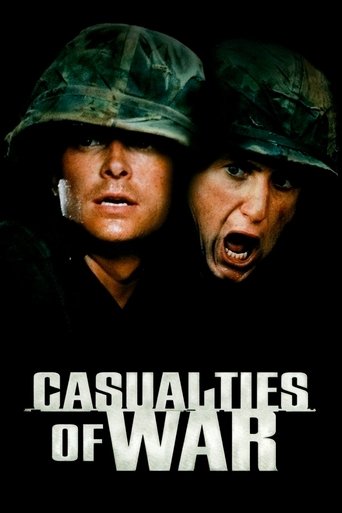
- Genre: Drama, History, War
- Director: Brian De Palma
- Year: 1989
- Runtime: 1h 53m
- Language: English (EN)
- TMDB Rating: ⭐ 7.2/10
Movie Overview
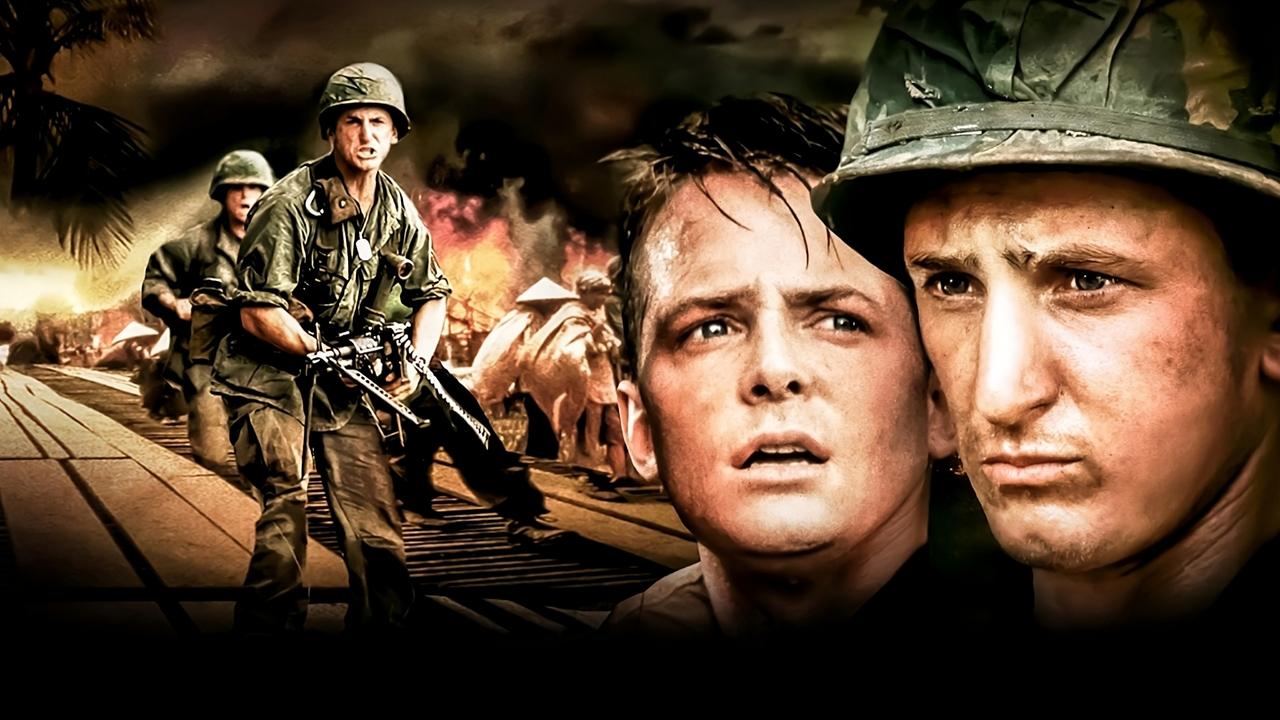
Eriksson (Michael J. Fox) arrives in Vietnam expecting brotherhood, but finds something darker in his squad. Sergeant Meserve (Sean Penn) leads with casual cruelty, and when they kidnap a young Vietnamese woman during a routine patrol, Eriksson becomes the lone dissenter. What starts as uneasy tension escalates into outright horror as the squad's moral decay unfolds. The film's power comes from watching Fox's everyman realize too late how far his comrades have fallen. That final act still lands like a gut punch.
Direction & Cinematography
Brian De Palma shoots Vietnam with grimy, sweat-soaked realism, but his signature flourishes peek through. There's a long tracking shot early on where the camera snakes through the jungle, putting us right in Eriksson's disoriented boots. But the real masterstroke comes later—De Palma holds on Fox's face during the atrocity, forcing us to witness his revulsion rather than the act itself. The pacing drags in the middle stretch, though that might be intentional—war is mostly waiting, after all. What struck me on rewatch was how little combat we actually see. This isn't about battles; it's about what war does to men when the cameras aren't rolling.
Cast & Performances
Michael J. Fox plays against type brilliantly—his Eriksson isn't some square-jawed hero, just a decent guy in way over his head. Watch how he shrinks into himself during Penn's tirades, like a kid hoping the bully won't notice him. Sean Penn chews scenery as Meserve, but there's method to his madness—his sudden shifts from charm to rage keep you off-balance. John C. Reilly and John Leguizamo make strong impressions in smaller roles, though Leguizamo's accent wobbles at times. The real surprise? Don Harvey as the conflicted Hatcher—his breakdown scene is raw in ways Penn's showboating isn't.
Character Psychology
Eriksson wants to survive Vietnam with his conscience intact. What he needs is to realize that's impossible. The film traps him in a no-win scenario: stay silent and become complicit, or speak up and risk becoming the next casualty. Meserve, meanwhile, has already made his choice. His cruelty isn't ideology—it's the thrill of power in a place with no rules. That final shot of Fox tells you everything about who walked away whole and who didn't.
Themes & Emotional Depth
This isn't really a war movie—it's about how systems enable monsters. The chain of command turns a blind eye, the jungle provides cover, and suddenly good men are doing terrible things. The most chilling moment isn't the rape scene; it's when the medic calmly checks the victim's pulse afterward, treating atrocity as routine. De Palma asks: Would you be any different in their boots? I'm still not sure of my answer.
Memorable Scenes & Dialogue
The village abduction plays out in near-silence—just the creak of floorboards and the woman's muffled screams. De Palma frames it like a horror movie, with Penn's shadow looming monstrously on the hut wall. Later, Fox's courtroom outburst—'We didn't kill her, we murdered her!'—lands like a sledgehammer because of how small his voice gets on 'murdered.' That hesitation tells you he's realizing the truth as he says it.
The Ending — Does It Deliver?
The ending feels inevitable but no less devastating for it. De Palma denies catharsis—justice is partial, memories linger, and Fox's haunted eyes in the final frames suggest this wound won't heal. I'll admit I expected more courtroom drama, but the film's smarter for skipping it. What stayed with me wasn't the verdict, but the empty space where closure should be.
What Works
Fox's against-type casting pays off—his innate likability makes Eriksson's moral crisis painfully relatable. De Palma's restraint with the violence (most happens offscreen) makes it more disturbing. The jungle cinematography immerses you in the claustrophobia and paranoia. And Penn, for all his hamminess, creates a villain who's terrifying because he's so believably human.
Honest Criticism
The middle sags under repetitive shouting matches between Fox and Penn. Some supporting characters (like Reilly's) get shortchanged—their complicity needed more exploration. The framing device with Fox in modern-day Vietnam adds little and dates the film unnecessarily.
How It Compares
Platoon (1986) covers similar ground with more action, but Casualties cuts deeper psychologically. Compared to Kubrick's Full Metal Jacket (1987), De Palma's less interested in boot camp brainwashing than in how ordinary men rationalize evil. Where it falls short is in character depth—aside from Fox and Penn, the squad feels thinly sketched next to Stone's ensemble.
Legacy & Cultural Impact
Overlooked in 1989 (it bombed hard, making just $18M against its $22M budget), the film's reputation grew as veterans praised its accuracy. It nabbed a single Oscar nod for Sound, but its real influence shows in later war films like The Hurt Locker that prioritize moral ambiguity over heroics. That it still sparks debates about wartime morality proves its power.
Behind the Scenes
Fox took the role specifically to shed his '80s teen idol image. The rape scene was shot in one take to preserve the actors' emotional states. Real-life Eriksson consulted on set but walked out during that scene—it was still too raw 20 years later.
Who Should Watch It?
Fans of morally complex war films will appreciate its unflinching gaze. Those seeking action or patriotic uplift should look elsewhere—this is a tough, talky sit that leaves you feeling dirty.
Final Verdict
8.2/10. Flawed but essential, this is De Palma's most serious work and arguably his most humane. The rating reflects its uneven pacing, not its power. Watch it for Fox's career-best performance and a war story that dares to ask: What would you have done?
More details, ratings, and cast information on IMDb, TMDB, Wikipedia. YouTube