- 1Movie Overview
- 2Direction & Cinematography
- 3Cast & Performances
- 4Character Psychology
- 5Themes & Emotional Depth
- 6Memorable Scenes & Dialogue
- 7The Ending — Does It Deliver?
- 8What Works
- 9Honest Criticism
- 10How It Compares
- 11Legacy & Cultural Impact
- 12Behind the Scenes
- 13Who Should Watch It?
- 14Final Verdict
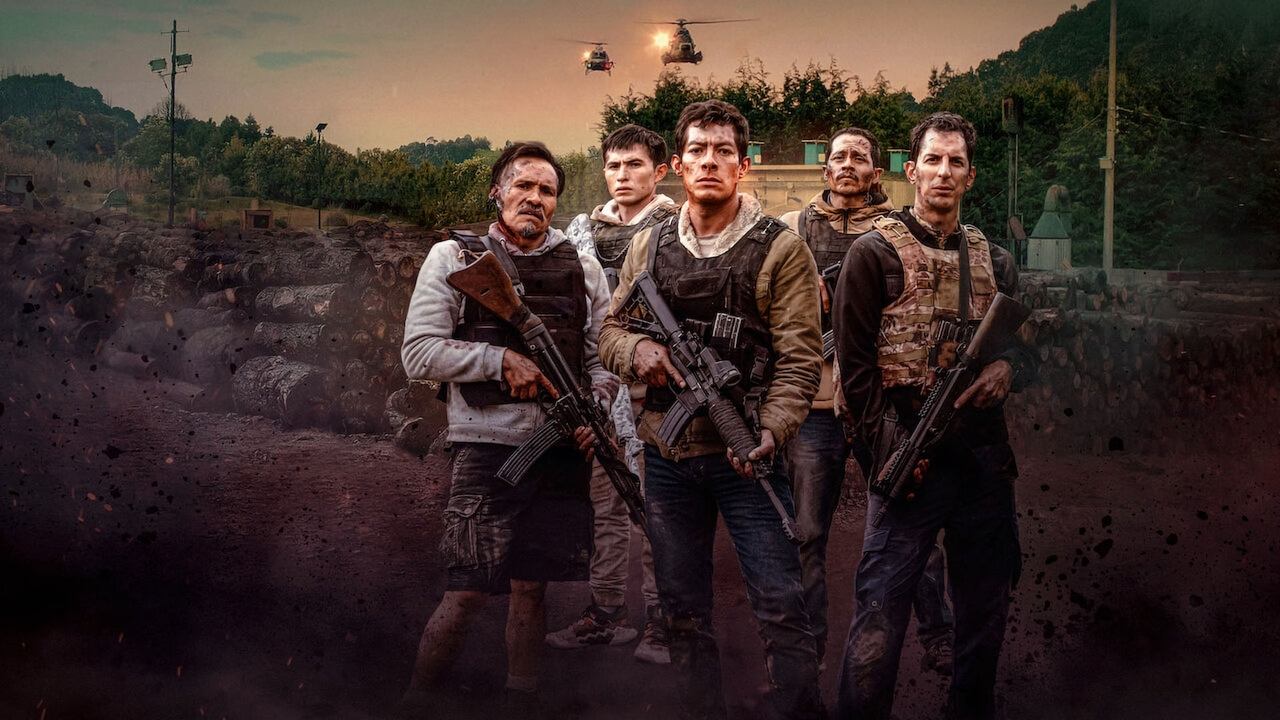

- Genre: Action, Adventure, Thriller
- Director: Chava Cartas
- Year: 2025
- Runtime: 1h 25m
- Language: Spanish (ES)
- TMDB Rating: ⭐ 8.2/10
Movie Overview
The film opens with Capt. Guerrero (Luis Alberti) leading a hostage rescue mission in a remote location, quickly establishing a tense atmosphere. Things take a sharp turn when they inadvertently create a new enemy, a ruthless criminal group led by the enigmatic Marquez (Noé Hernández). As Guerrero and his elite soldiers attempt to escape the ambush, the stakes rise with every passing moment. Tension escalates when the team realizes they must not only ensure the hostages' safety but also confront their own fears and failures.
What surprised me most was how the film shifts focus between intense action sequences and moments of introspection for the soldiers. The conflict isn’t just external; it becomes an internal struggle for Guerrero as he grapples with the weight of his decisions. His leadership is put to the test as the team faces not just physical danger but also moral dilemmas about their mission. I kept waiting for a traditional resolution to emerge, but the film opts for something more complex.
Midway through, a quiet scene reveals a deeper layer to Guerrero’s character, showcasing his remorse and determination. This character exploration contrasts sharply with the frantic warfare taking place outside, adding emotional weight to the chaos. The finale, while action-packed, strikes a chord as Guerrero confronts the consequences of his choices, ultimately leading to a thought-provoking conclusion.
By the end, viewers are left pondering the true cost of heroism, making this a more profound experience than your average action thriller. It’s a film that challenges you to think beyond the explosions and gunfire.
Direction & Cinematography
Chava Cartas brings a unique style to Counterattack, balancing chaos with emotional beats. In the opening scene, the camera swings dramatically between soldiers and hostages, immersing viewers in the urgency of the mission. I noticed that this kinetic approach sets a frantic tone that persists throughout the film. However, it also allows for emotional moments when characters pause to reflect, creating a push-pull dynamic that effectively engages the audience.
But the pacing can feel uneven at times. Early sequences are packed with tension, but there are moments where the film slows down abruptly. For instance, a quiet conversation between Guerrero and a younger soldier halfway through could have been shortened to maintain momentum. Still, what struck me was how these quieter moments often served to enhance the stakes, giving the audience a breather before diving back into action.
The tone shifts masterfully between dread and resolve, particularly in the climactic third act where Cartas lets the tension simmer before the final showdown. You can feel the weight of the choices each character has made, underscoring the high stakes that come with leadership in crisis situations. It’s this attention to character and emotion that elevates Counterattack beyond typical genre fare.
Cast & Performances
Luis Alberti’s portrayal of Capt. Guerrero has a compelling authenticity to it. His physicality during tense moments—clenching fists, narrowed eyes—brings depth to his character, particularly during the hostage rescue. One moment that stands out is when Guerrero realizes the gravity of leading his team into danger; you can see the conflict on his face, which makes the viewer empathize with his struggle.
Noé Hernández as the antagonist Marquez also delivers a strong performance. He exudes a threatening calm throughout the film that becomes increasingly chilling as the plot unfolds. In a pivotal scene, when he confronts Guerrero, the way he leans in and uses subtle gestures intensifies the standoff without resorting to overt aggression. I’ll admit I didn't expect such layered villainy from a character that could have been a one-dimensional threat.
Leonardo Alonso plays the young soldier who idolizes Guerrero, and his reactions add an interesting dynamic to the group. However, his character arc feels somewhat rushed, especially when he reacts to the ambush. I kept waiting for more from his storyline, but he almost fades into the background mid-second act, missing opportunities for greater emotional impact.
Character Psychology
Capt. Guerrero is driven by a desire to rescue the hostages and maintain his team's safety on the surface. But deeper down, he’s grappling with self-doubt and the burden of leadership—something he barely acknowledges. It’s a constant battle between his instincts and the weight of responsibility that forms the crux of his character.
What’s interesting is that Guerrero doesn’t fully acknowledge his need for emotional connection with his team until the film’s climax. He eventually realizes that his actions have consequences not just for the mission, but for everyone’s lives. This realization is pivotal, as it forces him to confront the fact that he needs to be more than just a military leader; he must also be a mentor.
Themes & Emotional Depth
Counterattack reflects on the cost of heroism, intertwining personal journeys with broader themes of sacrifice and accountability. Through Guerrero's experiences, it's clear that the film digs into what it means to be responsible for others' lives in extreme situations. This is accentuated in a scene where Guerrero confesses to a fellow soldier about his fears of failure, revealing that his leadership is not only about strategy but also emotional intelligence.
The film also touches on the idea of camaraderie and the bonds that form in crisis. The moments shared between soldiers emphasize that while they’re trained to fight, their true strength lies in supporting one another. This theme becomes particularly resonant when Guerrero learns that his decisions can fracture those bonds, highlighting that trust is as crucial as skill in their line of work.
Memorable Scenes & Dialogue
One standout scene occurs when the team makes their way through a tense ambush. The camera captures Guerrero’s focused expression as he orchestrates their movements in real-time, showcasing Cartas's ability to build suspense through choreography and close-ups. That moment of silence before the gunfire erupts is chilling, emphasizing the unpredictability of their mission.
Another powerful moment comes when Guerrero is confronted by Marquez. The exchange is charged with underlying tension, elevated by Hernández's performance as he delivers the line, "You think you're saving them, but who saves you?" This line works well because it encapsulates the film’s central conflict—the blurred line between heroism and burden, a theme explored throughout the narrative.
The Ending — Does It Deliver?
The climax of Counterattack feels earned, as the emotional stakes set up earlier come to a head. Guerrero's confrontation with Marquez culminates not just in physical combat, but in a battle of wills that reflects everything we’ve learned about both characters. It finally delivers a resolution that feels satisfying yet bittersweet.
What stayed with me after the credits was the realization that the film doesn't provide neat answers. The final shot, where Guerrero looks out at the horizon, captures a sense of exhaustion and contemplation. It evokes a feeling of uncertainty, which lingers long after the film ends, making the audience think about the complexities of heroism.
What Works
The film excels in its dynamic action sequences, particularly during the ambush scene where the camera captures every heartbeat of tension. The performances are another strong point; Luis Alberti's portrayal of Guerrero brings a depth that complements the high-stakes narrative. Additionally, the writing, especially the dialogue exchanges between Guerrero and Marquez, is sharp and thought-provoking. These elements come together to create a film that keeps you engaged both emotionally and viscerally.
Honest Criticism
However, the side characters often feel underdeveloped. For instance, Leonardo Alonso's role could have added more to the emotional core of the story, yet he disappears for long stretches. This absence reduces the emotional stakes during critical moments in the narrative. The pacing also suffers when the film delves too deep into introspection; certain scenes linger longer than necessary, disrupting the flow of action.
How It Compares
Counterattack shares similarities with films like Training Day and Sicario in its exploration of morality in high-stakes situations. Both films feature strong protagonists navigating complex moral landscapes. However, what sets Counterattack apart is its more personal focus on the characters’ internal struggles, particularly Guerrero's emotional journey. Where it slightly falls short is in the depth of its side characters, who at times lack the same development and nuance that the leads enjoy.
In comparison to traditional action films where the focus is on adrenaline, Counterattack opts to explore character psychology instead. While this approach brings richness, it sometimes sacrifices pacing, especially during moments where the action takes a backseat to character introspection.
Legacy & Cultural Impact
As of now, Counterattack has garnered significant attention within the action thriller genre, boasting an impressive IMDb rating of 8.2. The film has sparked discussions about the portrayal of military ethics in cinema as well as what it means to lead under pressure. While it hasn’t yet won major awards, its impact on the genre is clear, resonating with audiences looking for depth in action narratives.
It may lead to a new wave of films that prioritize character development alongside thrilling sequences, challenging the status quo of typical action movies. Its unique perspective might influence future filmmakers aiming to balance action with meaningful storytelling.
Behind the Scenes
Counterattack underwent a last-minute casting change when Noé Hernández replaced another actor who dropped out just weeks before filming began. This decision ultimately paid off, as Hernández’s performance has been highlighted as a standout. Additionally, certain action sequences were filmed in real-time to capture genuine reactions from the cast, resulting in some improvised moments that added authenticity. Lastly, budget constraints led to a decision to shoot only at night, which added to the film's tense atmosphere.
Who Should Watch It?
Fans of action films that prioritize character development and moral complexity will find much to enjoy in Counterattack. If you prefer straight-up bang-for-your-buck thrill rides with little emotional depth, you might want to skip this one. It’s for viewers who appreciate the blend of action and introspection.
Final Verdict
I’d recommend Counterattack for those looking for a fresh take on the action genre. Its focus on character depth amidst action-packed sequences makes it stand out. While some pacing issues and character development gaps exist, the overall narrative asks significant questions about heroism. If you’re looking for a film that goes beyond explosions, this one might be worth your time.
More details, ratings, and cast information on IMDb, TMDB, Wikipedia. YouTube