- 1Movie Overview
- 2Direction & Cinematography
- 3Cast & Performances
- 4Character Psychology
- 5Themes & Emotional Depth
- 6Memorable Scenes & Dialogue
- 7The Ending — Does It Deliver?
- 8What Works
- 9Honest Criticism
- 10How It Compares
- 11Legacy & Cultural Impact
- 12Behind the Scenes
- 13Who Should Watch It?
- 14Final Verdict
- Genre: Animation, Family, Comedy
- Director: Mark Dindal
- Year: 2005
- Runtime: 1h 21m
- Language: English (EN)
- TMDB Rating: ⭐ 5.9/10
Movie Overview
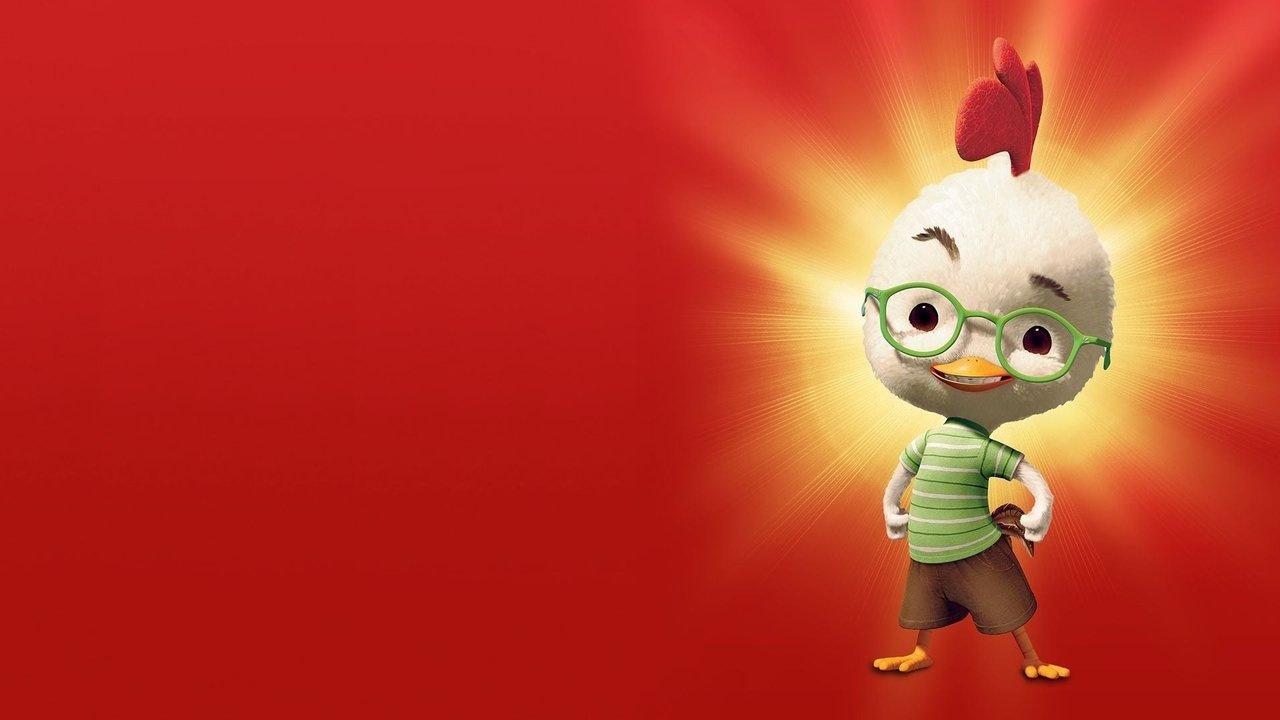
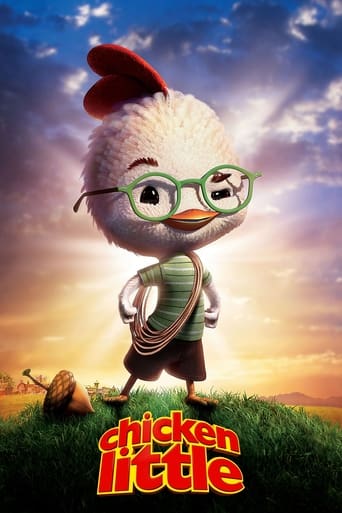
In Chicken Little, the titular character, voiced by Zach Braff, faces the challenge of overcoming the embarrassment of his earlier claim that the sky was falling. This time, when an actual alien invasion threatens his town, he seizes the opportunity to prove himself, hoping to gain the respect of his father and his peers. Together with his quirky group of friends — including the hilarious Runt of the Litter (Steve Zahn) and the witty Abby Mallard (Amy Sedaris) — Chicken Little must rally the town against the extraterrestrial threat.
However, the film struggles between its comedic antics and its emotional stakes. For instance, Chicken Little's relationship with his dad, voiced by Garry Marshall, is central to his arc, yet it feels rushed and underdeveloped. The film's pacing stumbles slightly during the midsection as it veers into various subplots that fail to enrich the core narrative. I kept waiting for a deeper exploration of Chicken Little's insecurities, but those moments often feel overshadowed by the film's slapstick humor.
As the climax approaches, the stakes become more apparent, and the film tries to balance its lightheartedness with a message about bravery and self-acceptance. The final showdown with the aliens brings a chaotic but entertaining energy, though I wasn't expecting much from the resolution. Overall, the story wraps up neatly, but it could've used a bit more emotional weight.
What stayed with me after the credits rolled was the film's earnest message about being true to oneself, even if the journey to get there felt uneven. The combination of humor and heart is charming, but it doesn't fully deliver on its promise of impactful storytelling.
Direction & Cinematography
Mark Dindal directs Chicken Little with a playful flair, emphasizing the film's comedic tone while still attempting to weave in genuine moments of emotion. One specific shot that caught my eye is the wide angle of the town as Chicken Little stands up to the aliens, which visually underscores his transformation from a scared little chick to a hero. The animation during these scenes is vibrant, adding to the film's overall fun atmosphere.
But as much as I appreciated the visual style, the pacing often felt off-balance. The film races through key emotional beats without giving them time to breathe, leaving viewers little room to fully invest in Chicken Little's journey. The mix of high-energy slapstick with more serious themes creates a tonal inconsistency that made me question whether it was a comedy or a story about finding one's identity.
What struck me about Dindal's directorial choices was how he uses humor as a tool for character development. The interactions between Chicken Little and his friends are genuinely funny, which helps to establish their bond. However, the film could have benefited from more weight in its quieter moments to fully realize its emotional potential.
Cast & Performances
Zach Braff's voice work as Chicken Little captures both the character's frenetic energy and his underlying vulnerability. His delivery of lines often feels relatable, especially during moments of self-doubt, like when he nervously tries to convince the town of the alien threat. I’ll admit I didn't expect such a depth from a character that, at first glance, seems purely comedic.
Amy Sedaris shines as Abby Mallard, bringing a witty charm that adds dimension to her character. There’s a scene where she encourages Chicken Little to embrace who he is, and her heartfelt delivery struck a chord. Sedaris uses a mix of playful sarcasm and sincerity that makes Abby a standout in the cast.
On the other hand, Steve Zahn's Runt of the Litter, while undoubtedly funny, can be overly exaggerated at times. His physical comedic choices are amusing, but I felt he occasionally veered into cartoonish territory that detracted from the film's emotional moments. I kept waiting for his character to deliver a more grounded moment, and it never quite happened.
Character Psychology
Chicken Little desperately wants to prove himself to his father and the town, seeking validation and acceptance. However, what he truly needs is to learn how to accept himself, flaws and all. His journey is one of self-discovery, but he lacks full self-awareness until the final act, where he begins to embrace his uniqueness.
Ultimately, Chicken Little’s growth feels more like a series of events than a deeply felt transformation. He starts with insecurities, but his path to confidence feels rushed — he doesn't fully confront his doubts until the very end, leaving a sense of incompleteness.
Themes & Emotional Depth
At its core, Chicken Little explores themes of identity and self-acceptance. The film cleverly wraps these ideas in a humorous package, particularly through Chicken Little's misadventures and the consequences of his past mistakes. There’s an important scene where he confronts the townsfolk about their doubts, which serves as a microcosm of his struggle between seeking approval and embracing his true self.
Moreover, the film touches on the importance of friendship and teamwork, particularly through the misfit group that aids Chicken Little in his quest. Their bond serves as a reminder that acceptance often comes from those who understand you best, underscoring the idea that being different is not only okay but can also be a source of strength.
Memorable Scenes & Dialogue
One memorable moment occurs when Chicken Little first tries to alert the townsfolk about the alien threat. The frantic energy of his speech, combined with the backdrop of the town square, creates a hilarious and chaotic atmosphere. The animation, coupled with Braff's comedic timing, works wonderfully to bring this scene to life, showcasing the film's comedic strengths.
Another standout scene is when Abby Mallard confesses her feelings for Chicken Little. The vulnerability in Sedaris's voice, combined with the simplicity of the animation, makes this moment surprisingly heartfelt. It allows the film to pivot from humor to sincerity effectively, revealing a crucial aspect of the characters' relationship.
Lastly, the climactic confrontation with the aliens is visually dynamic, incorporating vibrant colors and fast-paced action. It works because it captures the energy of a classic animated showdown while also delivering the film's main message about finding courage in the face of adversity.
The Ending — Does It Deliver?
The ending of Chicken Little wraps up the narrative in a feel-good manner, aligning with the film’s overall tone. It felt earned in that it ties together the various threads of Chicken Little's journey — his acceptance by the town and his newfound courage. However, I was surprised by how quickly the resolution arrived; it felt a bit rushed and slightly glossed over some of the character arcs.
The final shot leaves a sense of warmth and optimism, yet I wished it had the emotional punch that other animated films often deliver. Instead, it felt like a light pat on the back rather than a profound conclusion, perhaps indicating the film's struggle to balance its comedic elements with deeper themes.
What Works
What works best in Chicken Little is its humor, especially in the dynamics between the titular character and his friends. The opening scene, where Chicken Little tries to communicate the 'sky is falling,' sets a comedic tone that carries through the film. Additionally, Sedaris's performance as Abby adds a depth that elevates the emotional stakes, particularly when she encourages Chicken Little to embrace his identity. The colorful animation also helps to maintain a lighthearted atmosphere, making it visually appealing for younger audiences.
Honest Criticism
However, the film struggles with pacing and emotional depth. The subplot involving the town's reaction to the alien invasion feels disjointed, and ultimately, it adds little to the central narrative. The lack of depth in Chicken Little's relationship with his father leaves a significant emotional gap that could have been explored further. I found myself wishing for more time spent on these vital character dynamics to give them the weight they deserve.
How It Compares
Comparatively, Chicken Little shares similarities with films like Monsters vs. Aliens and A Bug's Life. Both feature themes of underdog heroes and the importance of friendship, but Chicken Little tends to lean more into slapstick humor. While Monsters vs. Aliens has a more coherent emotional arc, Chicken Little's attempts at deeper messages feel muddled at times.
On the flip side, where Chicken Little succeeds is in its vibrant animation and its honest depiction of friendship among misfits. However, it sometimes falls short in delivering a satisfying character evolution, which is where A Bug's Life shines with its more profound exploration of personal growth.
Legacy & Cultural Impact
Chicken Little was notable for being Disney's first computer-animated feature, which paved the way for future endeavors in the genre. Though it didn't receive major awards recognition, it grossed over $135 million worldwide, indicating that it found an audience despite mixed critical reception.
As a film, it marks an important point in Disney's transition into full-fledged CGI animations, influencing later projects like Bolt and Meet the Robinsons. It sparked conversation about how animated films could blend humor with life lessons, though its impact isn't as significant as other Disney classics.
Behind the Scenes
In a last-minute casting decision, Don Knotts was brought on to voice the character of the turkey, which added a nostalgic touch for audiences familiar with his work. The film initially had a different direction in its story, originally meant to focus more on the relationship between Chicken Little and his dad, but this was ultimately shifted to include more comedic elements. Interestingly, the production saw a last-minute change in the film's title from 'The Sky is Falling' to Chicken Little, emphasizing the character rather than the plot.
Who Should Watch It?
This film will likely appeal to younger viewers and families looking for lighthearted entertainment with humor and a positive message about friendship. Those seeking a more profound narrative or character development should probably skip it, as it often leans heavily on slapstick rather than emotional storytelling.
Final Verdict
Chicken Little has its charms, particularly in its humor and colorful animation, but it ultimately feels like a missed opportunity to delve deeper into its themes of identity and relationships. The film's comedic elements make it enjoyable, but the uneven pacing and lack of emotional resonance hold it back. It's a fun watch for families, but if you’re looking for something with a stronger narrative drive, you might want to pass.
More details, ratings, and cast information on IMDb, TMDB, Wikipedia. YouTube