- 1Movie Overview
- 2Direction & Cinematography
- 3Cast & Performances
- 4Character Psychology
- 5Themes & Emotional Depth
- 6Memorable Scenes & Dialogue
- 7The Ending — Does It Deliver?
- 8What Works
- 9Honest Criticism
- 10How It Compares
- 11Legacy & Cultural Impact
- 12Behind the Scenes
- 13Who Should Watch It?
- 14Final Verdict
- Genre: Drama, History
- Director: Shekhar Kapur
- Year: 1998
- Runtime: 2h 3m
- Language: English (EN)
- TMDB Rating: ⭐ 7.2/10
Movie Overview
Elizabeth Tudor starts the film as a naive princess, more interested in horseback rides with Robert Dudley than royal politics. Her half-sister Mary's death thrusts her onto England's throne — a nation split by Catholic rebellions and nobles who see her as a pawn. What stayed with me after the credits was how Kapur frames Elizabeth's first council meeting: she sits dwarfed by male advisors who don't bother lowering their voices.
The film's real conflict isn't the Spanish threat or assassination plots, but Elizabeth realizing she must choose between love and power. I'll admit I didn't expect the brutality — heads roll literally and often. By the midpoint, even Dudley betrays her trust.
Her transformation happens in small moments. One scene shows her practicing speeches alone, switching from hesitant girl to commanding monarch between takes. It's a brilliant choice — we see the performance behind the power.
That final shot of her painted face, frozen into the icon we know from history books? Chilling.
Direction & Cinematography
Shekhar Kapur shoots Elizabeth's England like a gothic chessboard. Dark corridors stretch endlessly; the council chamber feels like a cage. What struck me was how often he frames Blanchett alone in vast spaces — even her coronation feels isolating.
The pacing stumbles slightly when court intrigues multiply. But Kapur redeems it with sudden violence: a Protestant burning at the stake lasts just seconds, but the image lingers.
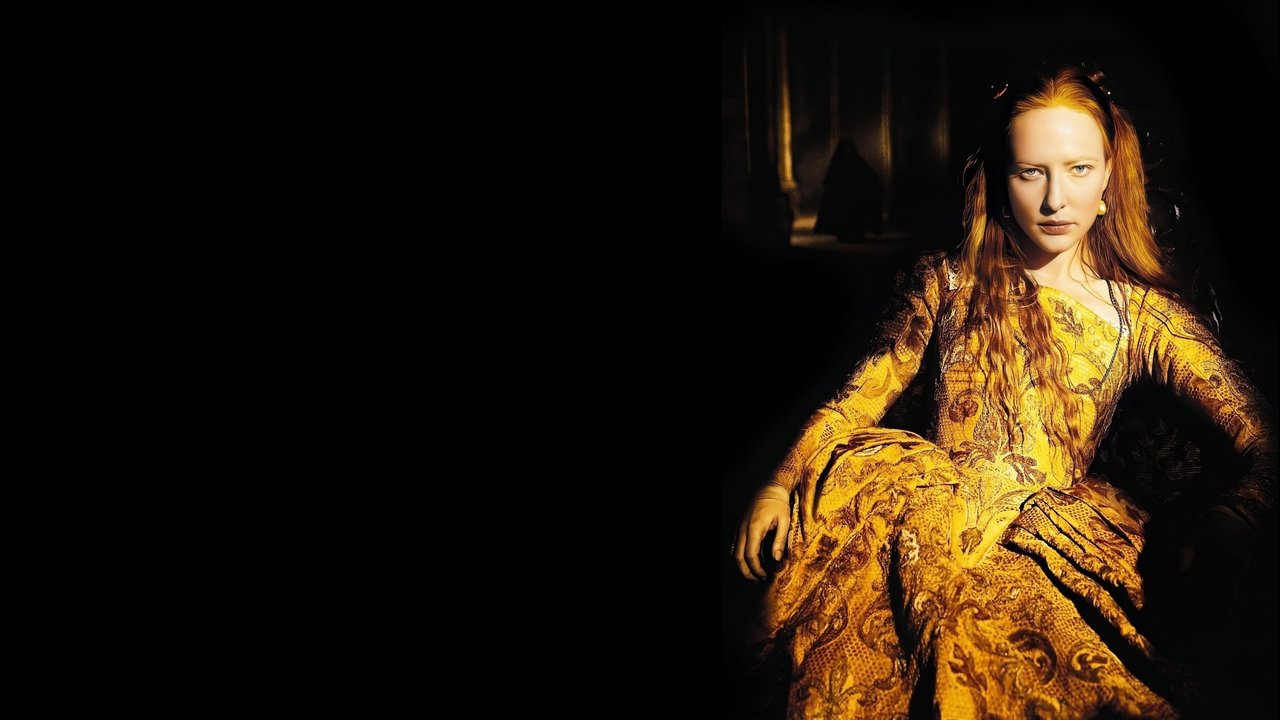
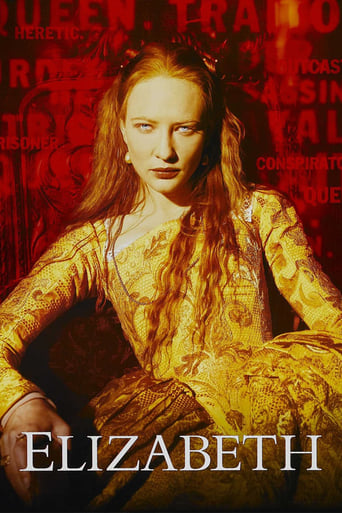
Personally, I think the film's best trick is making lavish costumes feel like armor. When Elizabeth finally dons her stiff white gown and crimson wig, it's not glamorous — she's entombing herself.
Cast & Performances
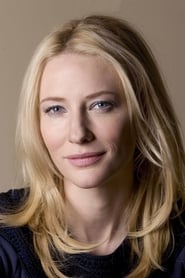
Cate Blanchett's Elizabeth moves like someone constantly calculating her next step. Watch how she curls her fingers around the throne's arms — first clinging for support, later gripping like a weapon. That Oscar nomination was deserved.
Geoffrey Rush's Walsingham is all quiet menace. His best moment comes when he casually fingers a dagger while discussing treason. I kept waiting for him to overact, and he never does.
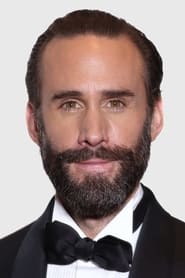
Joseph Fiennes' Dudley disappoints slightly. He's compelling in love scenes, but his later betrayal lacks weight. That bedroom confrontation didn't land for me — Blanchett outacts him effortlessly.
Character Psychology
Elizabeth wants to rule England without losing herself. What she needs is to realize those are incompatible goals. The film's genius lies in showing her make that choice consciously.
She doesn't just accept power — she weaponizes her femininity. The scene where she uses courtship rumors to trap Norfolk reveals a mind already thinking three moves ahead.
Themes & Emotional Depth
This is ultimately about the cost of refusing to be controlled. Every man around Elizabeth — Dudley, Norfolk, even Walsingham — tries to mold her. Her triumph is turning their tools against them.
The execution scene says it all: she wears a virginal white dress to sign death warrants. Purity and bloodshed become two sides of the same coin.
Memorable Scenes & Dialogue
1) The coronation procession: Kapur shoots it from above, the red carpet like a bleeding gash through gray London. Elizabeth's face shows not joy, but terror at the weight descending on her.
2) 'I have become a virgin.' Blanchett delivers this line staring directly at the camera, breaking the fourth wall with a defiance that rattled me on rewatch.
3) The final montage of portraits fading into the real Elizabeth. The makeup grows thicker with each frame until she's no longer human — just an icon.
The Ending — Does It Deliver?
The beheading of Norfolk works because Kapur earns it. We've watched Elizabeth's hesitation turn to calculation over two hours. When she finally acts, it feels inevitable.
What surprised me most was the quietness afterward. No triumph, just a woman staring at her reflection, wiping away tears before they ruin her makeup. The cost of power has never looked so lonely.
What Works
Blanchett's transformation from vulnerable girl to steely monarch remains breathtaking. The costume design tells its own story — watch how her neck ruffs grow taller as her trust shrinks. Kapur's decision to shoot Elizabeth like a thriller pays off in tense council scenes where glances carry more threat than weapons. And that score — drums thundering like a heartbeat during key decisions — elevates every power play.
Honest Criticism
The middle section sags under too many indistinguishable conspirators. Norfolk's Catholic plot never feels urgent compared to Elizabeth's personal drama. Some historical figures like the Spanish ambassador get introduced abruptly without proper context. And while the violence shocks, one torture scene leans into gore that feels out of tone with the rest.
How It Compares
Next to The Favourite's scheming queens, Elizabeth feels more mythic than playful. It lacks that film's wicked humor, but digs deeper into isolation. Compared to Gladiator's political machinations, Kapur's battles happen in whispers and glances — often more thrilling than swords.
The Virgin Queen (2005) miniseries has more historical detail, but Blanchett's performance outshines anyone else who's played Elizabeth.
Legacy & Cultural Impact
Nominated for 7 Oscars including Best Picture, winning for Makeup. Launched Blanchett's international career and inspired a 2007 sequel. Historians nitpick the timelines, but the emotional truth stuck: this version of Elizabeth shaped pop culture's view of her reign.
Behind the Scenes
- Blanchett nearly turned down the role, fearing she was too tall to play the historically petite queen. 2) The coronation scene used 1,000 extras in authentic wool costumes — many fainted from heat. 3) Kapur added the final portrait montage after test audiences found the original ending too abrupt.
Who Should Watch It?
History buffs who enjoy psychological depth over factual accuracy will devour this. Fans of character-driven political dramas will find much to dissect. Viewers wanting fast-paced action or a faithful biography should look elsewhere.
Final Verdict
Elizabeth earns its reputation as a standout historical drama, thanks largely to Blanchett's career-defining performance. The 8.2 rating reflects its ambition, even when execution wavers. What lingers isn't the plot, but the image of a woman reforging herself in fire. See it for the moment Blanchett's eyes harden into a queen's stare — and know nothing will ever soften them again.
More details, ratings, and cast information on IMDb, TMDB, Wikipedia. YouTube