- 1Movie Overview
- 2Direction & Cinematography
- 3Cast & Performances
- 4Character Psychology
- 5Themes & Emotional Depth
- 6Memorable Scenes & Dialogue
- 7The Ending — Does It Deliver?
- 8What Works
- 9Honest Criticism
- 10How It Compares
- 11Legacy & Cultural Impact
- 12Behind the Scenes
- 13Who Should Watch It?
- 14Final Verdict

- Genre: Drama
- Director: Alejandro G. Iñárritu
- Year: 2006
- Runtime: 2h 23m
- Language: English (EN)
- TMDB Rating: ⭐ 7.2/10
Movie Overview
Babel opens with a Moroccan boy, Yussef, and his brother Ahmed testing the range of their father’s rifle. A single shot echoes across the desert, but its consequences ripple far beyond their small village. The bullet hits Susan (Cate Blanchett), an American tourist traveling with her husband Richard (Brad Pitt) in a desperate attempt to repair their fractured marriage. As Susan fights for her life, Richard scrambles to navigate a foreign healthcare system and the growing hostility of the locals.
Meanwhile, in San Diego, the couple’s nanny Amelia (Adriana Barraza) takes their children to Mexico for her son’s wedding. The decision sets off a chain of events that leaves her stranded at the border with no legal way to return. In Tokyo, Chieko (Rinko Kikuchi), a deaf-mute teenager grappling with her mother’s suicide, seeks connection in increasingly dangerous ways. These stories, though geographically distant, are tightly interwoven by a single rifle—and the persistent theme of miscommunication.
The film’s tension builds as each narrative spirals further out of control. What starts as a moment of curiosity for Yussef becomes a global crisis. Amelia’s well-meaning choice to cross the border turns into a nightmare. Chieko’s longing for intimacy leads her into situations she can barely understand. The threads of these lives collide in ways that feel both inevitable and heartbreaking.
By the end, Babel leaves you questioning whether anyone truly understands each other—or if they’re doomed to remain isolated by language, culture, and circumstance.
Direction & Cinematography
Alejandro G. Iñárritu’s direction is ambitious, to say the least. He juggles four separate narratives across three continents, weaving them together with a precision that’s impressive—though not always seamless. The Moroccan desert sequences feel particularly striking, with wide shots emphasizing the isolation of Susan and Richard’s predicament. The camera lingers on the barren landscape, making you feel the heat and desperation.
What struck me most was how Iñárritu handles Chieko’s storyline in Tokyo. The sound design—or lack thereof—puts us directly into her perspective. Conversations are muffled, and the world feels distant and alienating. It’s a subtle but effective way to convey her loneliness.
But the pacing can drag at times. The shift between stories isn’t always smooth, and some transitions feel abrupt. I kept waiting for the threads to tie together more cohesively, but they often feel like separate films forced into one. Still, Iñárritu’s ability to evoke raw emotion is undeniable.
Cast & Performances
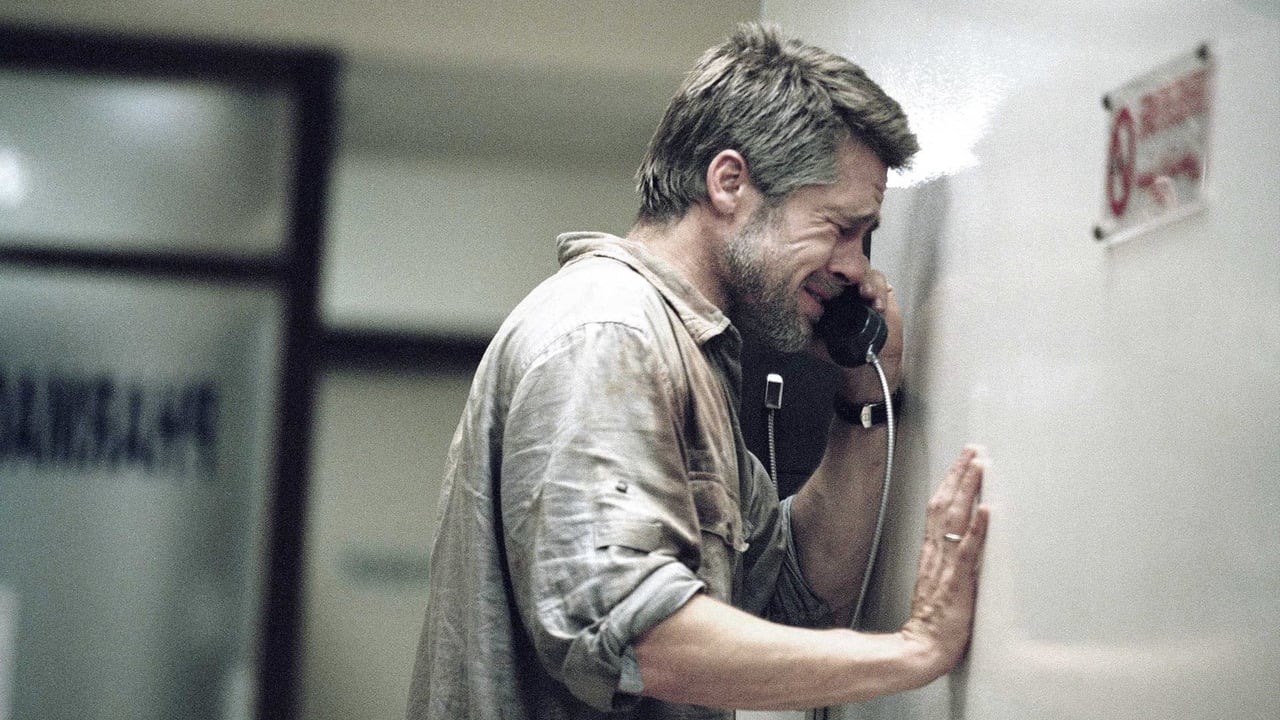
Brad Pitt delivers one of his most understated performances as Richard. His frustration and helplessness are palpable, especially in the scene where he begs for help in the village. It’s a role that could have leaned into melodrama, but Pitt keeps it grounded.
Rinko Kikuchi’s portrayal of Chieko is haunting. Her physicality—her hunched posture, her nervous glances—speaks volumes even when she’s silent. The scene where she dances wildly at a nightclub is both liberating and heartbreaking, showing her desperate need for connection.
Adriana Barraza’s Amelia is the emotional core of the film. Her struggle to care for the children while navigating a border crisis is heartbreaking. The moment when she silently cries in the desert stayed with me long after the credits rolled.
Cate Blanchett, while strong, feels underutilized. Her character spends most of the film unconscious or in pain, leaving little room for her to shine. It’s a missed opportunity for such a talented actress.
Character Psychology
At its heart, Babel is about characters searching for connection. Richard wants to fix his marriage, but he’s trapped by his own emotional distance. Chieko craves intimacy but pushes people away with her anger and insecurity.
Amelia’s story is the most tragic. She wants to be a good caretaker, but her attempts to balance her own life with her duties lead to disaster. Her need for family—both her own and the children she cares for—drives every decision. In the end, she’s left with nothing but regret.
Themes & Emotional Depth
Babel explores how miscommunication—whether through language, culture, or circumstance—can isolate us. The rifle that ties these stories together becomes a metaphor for unintended consequences. A single act can ripple across the world, connecting lives in ways no one could foresee.
The film also questions whether true understanding is possible. Chieko’s inability to hear mirrors the emotional deafness of the other characters. Richard can’t hear Susan’s pain. Amelia can’t explain herself to the border patrol. Even Yussef, who pulls the trigger, doesn’t fully grasp the impact of his actions.
Memorable Scenes & Dialogue
The scene where Amelia tries to walk back across the border with the children is unforgettable. The desperation in her eyes, the way the camera lingers on the vast, unforgiving desert—it’s heartbreaking. You can feel her exhaustion and fear.
Chieko’s confrontation with her father is another standout. The silence between them, punctuated only by her angry signing, is electric. It’s a moment of raw emotion that cuts to the core of their fractured relationship.
The final shot of Yussef, standing alone in the desert, is haunting. The camera pulls back slowly, emphasizing his isolation. It’s a quiet but powerful ending.
The Ending — Does It Deliver?
The ending feels both earned and incomplete. Each character’s journey reaches a natural stopping point, but the lack of resolution is intentional. The film leaves you sitting with the weight of their choices—and the lingering question of whether they’ll ever find the connection they crave.
The final shot of Yussef is particularly effective. It’s a reminder that even the smallest actions have consequences, and those consequences can leave you utterly alone.
What Works
The performances are uniformly strong, especially Rinko Kikuchi and Adriana Barraza. The sound design in Chieko’s storyline is masterful, immersing you in her world. The cinematography captures the stark beauty of each setting, from the Moroccan desert to Tokyo’s neon-lit streets. The interlocking narratives, while messy, keep you engaged throughout.
Honest Criticism
The Tokyo storyline, while compelling, feels disconnected from the rest of the film. Cate Blanchett’s character is underdeveloped, and her storyline leans too heavily on her physical suffering. The pacing drags in the second act, making the 143-minute runtime feel longer than necessary.
How It Compares
Babel is often compared to Crash (2004) for its intertwining narratives, but it’s more grounded and less preachy. It also shares DNA with Iñárritu’s earlier work, like 21 Grams, though it lacks the same tight focus. Where Crash feels contrived, Babel manages to feel organic—even if the connections between stories are sometimes strained.
Compared to The Constant Gardener, another global drama, Babel is more fragmented but also more ambitious. It doesn’t always succeed, but it’s never boring.
Legacy & Cultural Impact
Babel premiered to critical acclaim, earning seven Academy Award nominations and winning Best Original Score. It was a box office success, grossing over $135 million worldwide. The film cemented Iñárritu’s reputation as a director willing to tackle complex, global stories.
Its influence can be seen in later ensemble dramas like Cloud Atlas and Traffic, though none have quite matched its raw emotional impact. Babel remains a divisive film—some call it a masterpiece, others a mess—but it’s undeniably unforgettable.
Behind the Scenes
Rinko Kikuchi learned Japanese Sign Language for her role as Chieko. The scene where she dances at the nightclub was improvised.
The Moroccan village where Susan and Richard’s story takes place was a real location, and the locals were cast as themselves.
The film’s title refers to the biblical Tower of Babel, a story about humanity’s failed attempt to build a tower to heaven, resulting in the fragmentation of language.
Who Should Watch It?
Fans of ensemble dramas and global narratives will find plenty to appreciate here. Those who prefer tighter, more focused stories might struggle with the film’s fragmented structure. If you’re looking for a straightforward plot, this isn’t it.
Final Verdict
Babel is a flawed but ambitious film that’s worth watching for its performances and emotional depth. It’s not Iñárritu’s best work, but it’s still a powerful exploration of misconnection and isolation. If you’re willing to overlook its pacing issues, it’s a journey worth taking. Watch it for Rinko Kikuchi’s haunting performance alone.
More details, ratings, and cast information on IMDb, TMDB, Wikipedia. YouTube