- 1Movie Overview
- 2Direction & Cinematography
- 3Cast & Performances
- 4Character Psychology
- 5Themes & Emotional Depth
- 6Memorable Scenes & Dialogue
- 7The Ending — Does It Deliver?
- 8What Works
- 9Honest Criticism
- 10How It Compares
- 11Legacy & Cultural Impact
- 12Behind the Scenes
- 13Who Should Watch It?
- 14Final Verdict

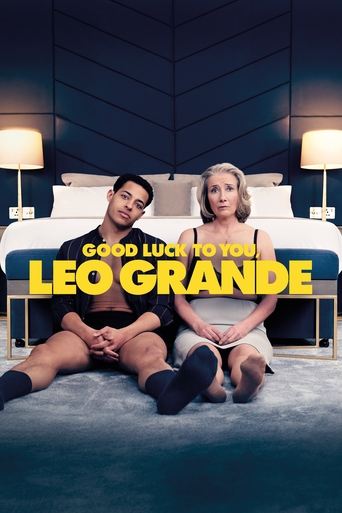
- Genre: Romance, Drama
- Director: Sophie Hyde
- Year: 2022
- Runtime: 1h 37m
- Language: English (EN)
- TMDB Rating: ⭐ 7.0/10
Movie Overview
Good Luck to You, Leo Grande opens with Nancy Stokes, a retired schoolteacher played by Emma Thompson, booking a hotel room for a rendezvous that promises to change her perspective on intimacy. With her husband recently deceased, Nancy feels a mix of dread and excitement about meeting Leo, a young sex worker portrayed by Daryl McCormack. Their initial awkwardness is palpable; Nancy is determined to explore her desires but is haunted by her past experiences. The film captures the hesitancy and the emotional stakes when Nancy finally meets Leo, setting the stage for a deeply personal exploration of sexuality.
As they begin to open up to each other, the interaction shifts between humor and genuine vulnerability. Nancy's discomfort often leads to unexpected laughter, while Leo's charm challenges her long-held beliefs about herself and her sexuality. I kept waiting for a moment where their connection would shift into a more conventional romantic territory, and it never came, which I appreciated. The film remains firmly rooted in their unique dynamic, allowing for an exploration of desire that feels refreshingly honest.
Conflict arises as Nancy grapples with societal expectations and her own insecurities. The emotional arc builds as she confronts her past and realizes how much she has barred herself from pleasure. While Nancy often seems determined, her layers of doubt reveal an internal struggle that resonates deeply. What surprised me most was how the film juxtaposes her longing for freedom against the backdrop of her fears, showcasing the fragility of female desire in a society that often trivializes it.
The final act tests their relationship as Nancy's emotional walls begin to falter, forcing her to reckon with her needs versus what society deems acceptable. The film ends on a note that feels both satisfying and open-ended, leaving the audience pondering the true nature of fulfillment and connection in an intricate dance of human intimacy.
Direction & Cinematography
Sophie Hyde's direction in Good Luck to You, Leo Grande is intimate and thoughtful. The film primarily takes place in the hotel room, which creates a claustrophobic yet safe space for Nancy and Leo to explore their boundaries. In one scene, Hyde chooses to shoot from a low angle as Nancy reclines on the bed, making her appear more vulnerable. That shot really emphasizes her emotional nakedness, which contrasts sharply with the physicality of their interactions.
But it's not just the visuals that stand out; the pacing of conversations feels natural and organic. Hyde allows moments of silence to linger, drawing viewers into the uncomfortable yet poignant exchanges between Nancy and Leo. There are times when the film feels like a live theater piece, with long takes that let the performances breathe. I noticed how this pacing helps amplify the emotional stakes, making every revelation feel earned.
The tone is a blend of awkwardness and sincerity, which Hyde balances well. Scenes of humor don't undercut the film's deeper themes; instead, they serve as a vehicle for character development. At first, I thought the comedic elements might trivialize Nancy's journey, but they actually enrich her experience, creating a relatable depiction of someone grappling with their desires. Hyde's direction invites viewers to reflect on their own complexities surrounding intimacy.
Cast & Performances
Emma Thompson's portrayal of Nancy is layered and nuanced. There's a moment when she stumbles over her words, trying to articulate her desires to Leo, and you can see the mixture of embarrassment and longing on her face. It's a physical choice that adds depth to her character, illustrating just how far removed she feels from her own sexuality. I'd say her performance carries the film, but occasionally her comedic timing feels a bit forced for dramatic effect.
Daryl McCormack as Leo gives a performance that's charming yet grounded. In one scene, he uses a gentle, teasing tone when instructing Nancy on how to relax, which helps break the tension between them. That moment showcases his ability to navigate the delicate balance between being a professional and understanding the emotional gravity of their situation. However, there were times when I wished for more depth in his backstory, especially given his character's impact on Nancy's journey.
Together, Thompson and McCormack create an electric on-screen chemistry that feels authentic. Their contrasting energies drive the narrative forward; Thompson’s often frazzled demeanor complements McCormack’s calm presence. I kept waiting for a moment of true catharsis for both characters, and when it finally arrives, it resonates deeply, thanks to their strong performances. Still, there were moments where I felt their conversations wandered a bit, affecting the overall momentum.
Character Psychology
On the surface, Nancy wants to explore her sexuality and experience pleasure for the first time in her life. She embarks on this journey with an eagerness that suggests a new beginning. However, she is also burdened by the weight of societal norms and personal fears. What stayed with me after the credits was how her journey reflects a deeper need for self-acceptance and understanding.
Ultimately, Nancy learns that what she truly needs is not just to have sex but to connect with someone on a deeper level. This realization challenges her self-perception, forcing her to confront the limitations she has placed on herself. While she undergoes significant growth, the film leaves open whether she fully embraces this newfound understanding, which adds layers to her character arc.
Themes & Emotional Depth
Good Luck to You, Leo Grande delves into themes of desire and societal expectations, questioning what it means to seek fulfillment outside conventional relationships. Through Nancy's journey, the film highlights the complexities of female sexuality and the often-taboo nature of discussing personal needs. A pivotal moment occurs when Nancy candidly shares her regrets about not pursuing her desires earlier, forcing viewers to contemplate the barriers that prevent individuals from fully embracing their true selves.
Moreover, the film explores the idea of connection beyond mere physicality. It challenges the notion that intimacy must align with traditional narratives, suggesting that personal growth often occurs in the most unexpected encounters. The tender moments between Nancy and Leo reveal a universal longing for validation and understanding, making their relationship a mirror reflecting our own desires and vulnerabilities.
Memorable Scenes & Dialogue
One standout scene occurs when Nancy and Leo share a quiet moment in bed, and she begins to recount her fantasies. The way it's shot, with close-ups on their faces, captures their vulnerability and the weight of her words. This intimate setup allows viewers to feel the emotional stakes rise, making it a turning point in their relationship. The writing here is sharp, perfectly blending humor and sincerity, which is a hallmark of Hyde's direction.
Another effective moment is when Leo playfully suggests trying out different roles, prompting Nancy to reveal her insecurities and the constraints she's imposed on herself. The chemistry between Thompson and McCormack shines in this dialogue, and their banter feels natural. It works because it demonstrates growth in both characters while maintaining the film's comedic tone, balancing emotion with levity.
Finally, the closing scene, where Nancy reflects on her experience in front of the hotel mirror, is a potent summary of her journey. The choice to leave this reflection without dialogue speaks volumes — it captures her transformation without unnecessary exposition. It's a powerful moment that resonates long after the credits roll.
The Ending — Does It Deliver?
The ending of Good Luck to You, Leo Grande feels earned, wrapping up Nancy’s journey with both closure and ambiguity. Throughout the film, her character evolves, revealing layers of fear and desire that lead to a poignant confrontation of self. I wasn't expecting such emotional depth in the final moments, which leave you contemplating not just her future but what intimacy means in a broader sense.
When the credits rolled, I felt a mix of satisfaction and uncertainty, mirroring Nancy’s own journey. The film stops short of providing all the answers, but that's part of its strength — it doesn't sugarcoat the complexities of personal growth and connection. It leaves you to ponder the tides of change in your own life.
What Works
What works in Good Luck to You, Leo Grande is the nuanced way it approaches the subject of sexual exploration. The intimate setting allows for genuine conversations, particularly in scenes where Nancy shares her regrets. Emma Thompson's portrayal is a highlight; her vulnerability makes her journey relatable and compelling. Additionally, the clever writing balances humor with emotional weight, making every interaction feel meaningful.
Honest Criticism
While the film excels in its character-driven narrative, it does falter in fleshing out Leo’s backstory. At times, this lack of depth makes him feel like a mere plot device rather than a fully realized character. There are moments when his motivations aren't fully fleshed out, which detracts slightly from the emotional stakes of his relationship with Nancy. It bothered me slightly that we don't learn more about him, as that could have provided valuable context.
How It Compares
Good Luck to You, Leo Grande can be compared to films like Frances Ha and The Diary of a Teenage Girl, where personal exploration takes center stage against a backdrop of humor and heart. However, this film stands out by focusing on the dynamics between two characters rather than a broader ensemble. It excels in its intimate portrayal of female desire but falls short when it comes to providing deeper backstories for supporting characters like Leo, which could have enriched their relationship.
In contrast, films like 40-Year-Old Virgin use comedy to explore similar themes, but they often resort to clichés that reduce the characters' journeys. In 'Leo Grande,' the humor feels more organic and tied directly to character development, making the emotional beats feel more impactful.
Legacy & Cultural Impact
Since its release, Good Luck to You, Leo Grande has sparked conversations about female sexuality and age, with Thompson's performance being praised across various award circuits, including nominations for BAFTAs and Golden Globes. Its modest box office success reflects a growing appetite for films that tackle issues of intimacy and self-discovery, especially among older characters. This film's influence on the genre lies in its unapologetic portrayal of a woman claiming her sexual agency, a representation often overlooked in mainstream cinema.
Behind the Scenes
Emma Thompson was involved in shaping the script, ensuring Nancy's character resonated authentically with female audiences. The film was shot in just under three weeks, primarily in one location, which challenged the cast to deliver strong performances in a compressed timeframe. There’s a noteworthy moment when Thompson improvised a line about her character's insecurities, which added an unexpected layer to the already rich dialogue.
Who Should Watch It?
This film is perfect for viewers interested in honest explorations of intimacy and sexuality, especially those who appreciate character-driven narratives. However, fans of action-packed romances or traditional rom-coms might find it slow or uneventful, as the film focuses on dialogue and character development rather than plot twists.
Final Verdict
Good Luck to You, Leo Grande is worth watching for its refreshing take on sexual exploration and its strong performances, particularly from Emma Thompson. The film provides a thoughtful look at desire and connection without succumbing to clichés. If you're looking for a film that challenges societal norms surrounding intimacy, this one’s a must-see.
More details, ratings, and cast information on IMDb, TMDB, Wikipedia. YouTube