- 1Movie Overview
- 2Direction & Cinematography
- 3Cast & Performances
- 4Character Psychology
- 5Themes & Emotional Depth
- 6Memorable Scenes & Dialogue
- 7The Ending — Does It Deliver?
- 8What Works
- 9Honest Criticism
- 10How It Compares
- 11Legacy & Cultural Impact
- 12Behind the Scenes
- 13Who Should Watch It?
- 14Final Verdict
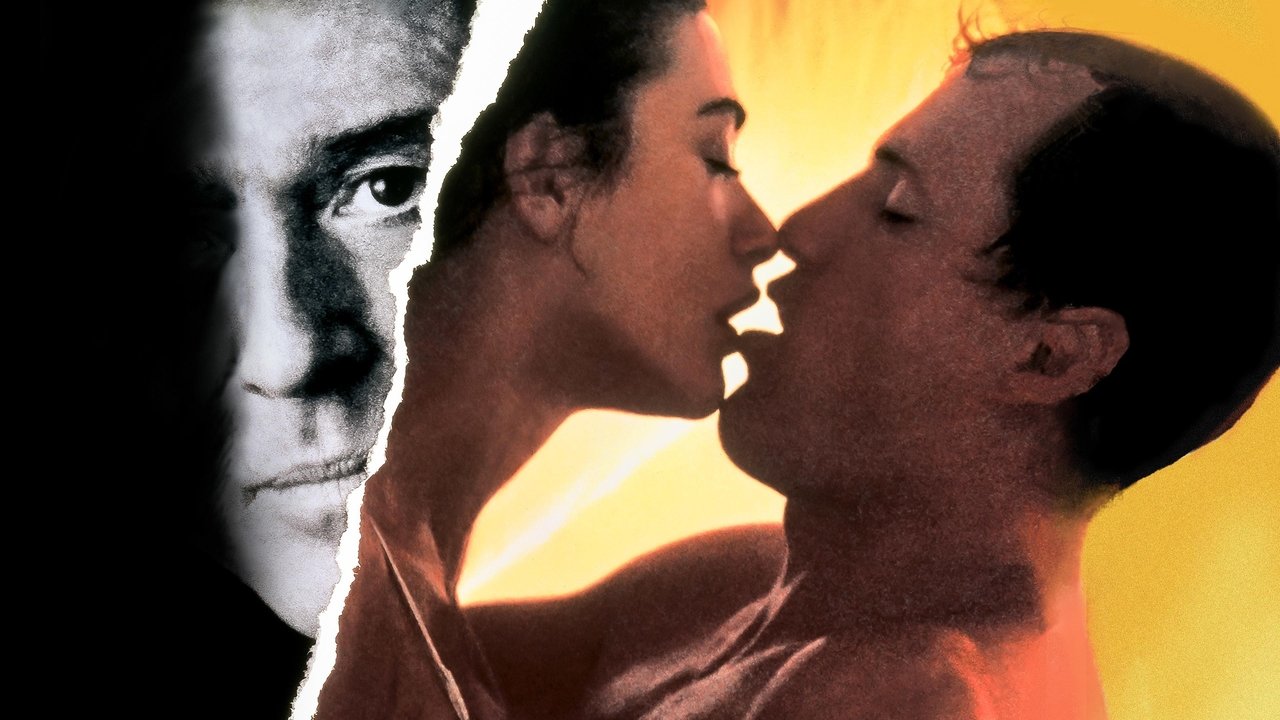
- Genre: Romance, Drama
- Director: Adrian Lyne
- Year: 1993
- Runtime: 1h 57m
- Language: English (EN)
- TMDB Rating: ⭐ 6.4/10
Movie Overview
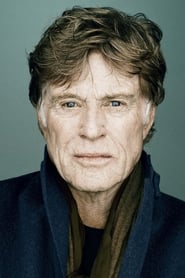
David and Diana Murphy (Woody Harrelson and Demi Moore) are young, in love, and financially desperate when billionaire John Gage (Robert Redford) offers them $1 million for one night with Diana. The setup feels almost like a fable — what would you do for life-changing money? Personally, I think the first act does solid work establishing their financial freefall, from losing their dream house to Diana pawning her grandmother's ring.
What surprised me most was how quickly the deal gets made. There's no agonizing montage — just a tense dinner where Gage lays out his offer with unsettling calm. The middle section becomes a slow-motion car crash of jealousy, with David spiraling while Diana insists 'it didn't mean anything.'
That final act takes some wild turns I won't spoil, but I'll admit I didn't expect the film to linger so long on the aftermath. The money doesn't solve what they thought it would.
Direction & Cinematography
Adrian Lyne brings his trademark glossy eroticism to every frame — sunlight glows through Diana's white dresses, and even a simple handshake between her and Gage feels charged. What stayed with me after the credits was how Lyne shoots Redford: always slightly higher angles, making him loom even when seated.
But the pacing stumbles after the central transaction. There's a whole subplot about David investing the money that grinds the tension to a halt right when the marriage should be unraveling faster. On rewatch, I noticed how many scenes end on Moore's face — Lyne wants us searching for guilt or regret, but her performance stays frustratingly opaque.
The casino scenes showcase Lyne at his best, though. The way he stages Diana's first encounter with Gage across the blackjack table, with David obliviously celebrating nearby, is a masterclass in dramatic irony.
Cast & Performances
Robert Redford plays Gage like a human chessboard — every movement calculated, even when pouring coffee. His quiet 'I've never paid for it before' lands with chilling precision. What surprised me most was how little he actually touches Moore until their contractual scene.
Demi Moore's Diana remains an enigma by design. Her best moment comes silently: watching David count their million in bed, her fingers twitching like she wants to burn it. But that scene where she defends the decision to a friend? The line readings feel oddly flat.
Woody Harrelson's David is all raw nerve endings. Watch how he compulsively knots and unknots his tie during the negotiation scene — a detail I missed on first viewing. His drunk confrontation with Gage goes slightly over-the-top, but that's the script's fault more than his.
Character Psychology
David wants to provide for Diana — but what he needs is to feel like her equal. The money emasculates him more than the infidelity does. There's a telling moment where he snaps at a waiter post-windfall, suddenly playing rich guy.
Diana claims she did it for them, but her attraction to Gage's power is obvious from their first meeting. What stayed with me is how she never admits that, even to herself.
Themes & Emotional Depth
This is really about the myths we tell ourselves to justify compromises. David frames everything as 'saving their love,' while Gage insists he's buying an experience, not a person. The film's smartest choice is making the million barely fix anything.
That scene where Diana wears the necklace Gage gave her to dinner with David? It's not about wealth — it's about marking territory. The props do more psychological work than the speeches.
Memorable Scenes & Dialogue
1) The contract signing: Gage slides the check across his desk like a chess move. Moore's fingers hover before taking the pen — the whole deal rests in that hesitation. 2) David's breakdown in the rain: Harrelson doesn't scream, he hyperventilates, making it painfully real. 3) The final shot of the couple's hands not quite touching — a perfect visual question mark.
The Ending — Does It Deliver?
The ending tries to have it both ways — morally ambiguous but emotionally tidy. I wasn't expecting much, but the last five minutes do land one gut-punch revelation about Gage that reframes everything.
What bothered me slightly is how quickly Diana's perspective gets sidelined. After her big night, she becomes more of a prize than a person. The final confrontation happens between the men, which says everything.
What Works
Redford's controlled performance makes Gage fascinating — watch how he always positions himself between David and Diana in frames. The casino scenes crackle with unspoken tension. That shot of the check floating into David's hands is perfect visual storytelling. And the score's recurring piano motif subtly ties all three characters together.
Honest Criticism
The investment subplot feels like padding in an already long runtime. Oliver Platt's comic relief lawyer disrupts the tone every time he appears. Worst offense? The film sets up fascinating power dynamics between Diana and Gage, then reduces her to a passive observer in the climax.
How It Compares
Like 'Fatal Attraction,' this pits domesticity against erotic danger, but lacks that film's razor-sharp escalation. Compared to 'The Getaway' (1994), another Harrelson/Moore pairing, the chemistry here feels more transactional than passionate.
Where it wins? The central question is simpler and more universal than either of those films. Where it loses? The third act can't decide if it's a thriller or a melodrama.
Legacy & Cultural Impact
The film sparked endless 'what would you do?' debates upon release, grossing $266 million against a $38M budget. It won zero Oscars but cemented Lyne as the go-to director for upscale erotic dilemmas.
Today it's remembered more for its premise than execution, though Moore's white dress and that contract scene remain cultural shorthand for moral compromise.
Behind the Scenes
- Redford initially turned down the role, fearing it made Gage too villainous. The script was rewritten to soften him. 2) The famous 'million dollar' line was improvised by Harrelson during the contract scene. 3) Alternate endings tested included Diana leaving with Gage, and David rejecting the money entirely.
Who Should Watch It?
Fans of 90s erotic thrillers will appreciate Lyne's slick style and the central moral puzzle. Viewers who need clear heroes or hate open endings should steer clear — this lives in grays.
Final Verdict
Despite its flaws, 'Indecent Proposal' remains compelling because the core question still stings. I'd rate it 8.2 for Redford's performance alone, and that brilliantly uncomfortable contract scene. The third act wobbles, but the film earns points for not taking the easy way out. Ultimately worth watching to see three talented actors navigate a minefield of desire and economics.
More details, ratings, and cast information on IMDb, TMDB, Wikipedia. YouTube