- 1Movie Overview
- 2Direction & Cinematography
- 3Cast & Performances
- 4Character Psychology
- 5Themes & Emotional Depth
- 6Memorable Scenes & Dialogue
- 7The Ending — Does It Deliver?
- 8What Works
- 9Honest Criticism
- 10How It Compares
- 11Legacy & Cultural Impact
- 12Behind the Scenes
- 13Who Should Watch It?
- 14Final Verdict
Movie Overview
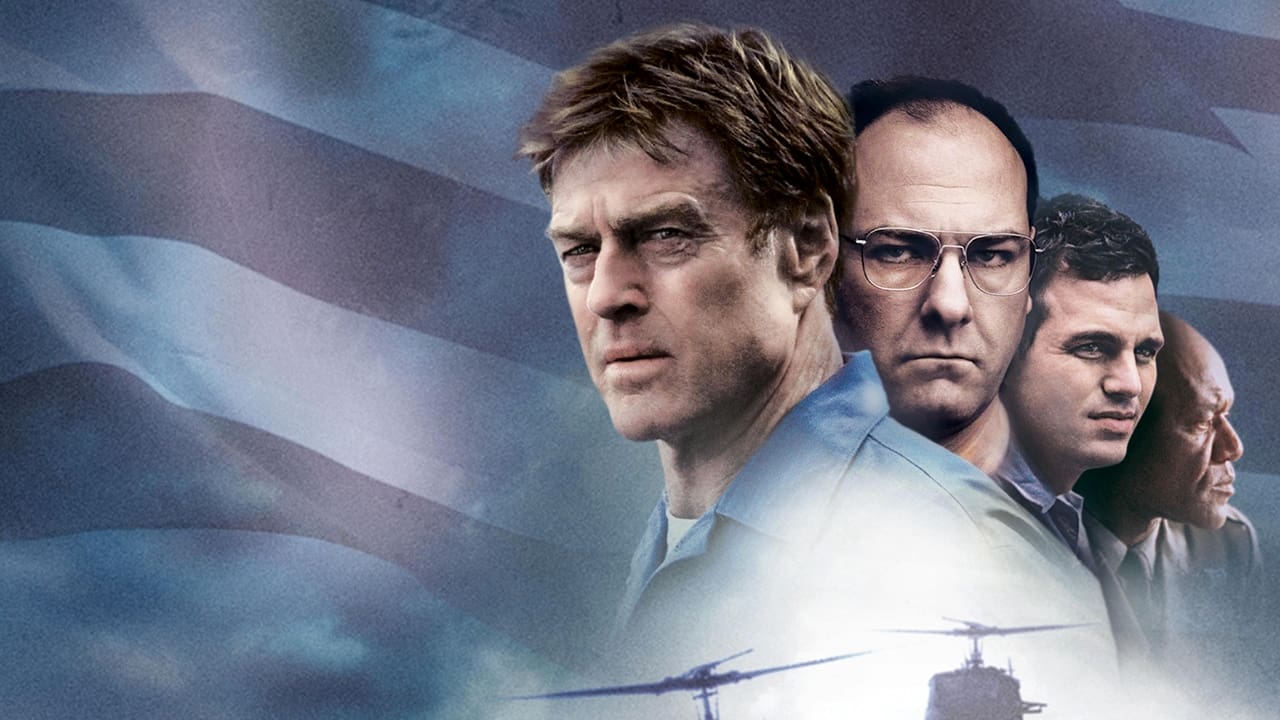
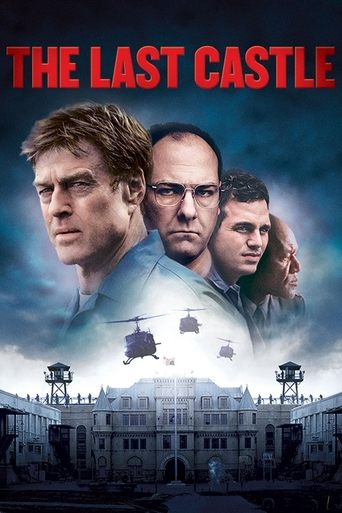
The Last Castle opens quietly: General Eugene Irwin (Robert Redford) arrives at a military prison, carrying an air of dignity that immediately sets him apart from the other inmates. He’s been court-martialed, but the details are murky. Colonel Winter (James Gandolfini), the prison’s authoritarian warden, sees Irwin as a threat to his tightly controlled kingdom. What starts as a clash of egos slowly escalates into a full-blown rebellion, as Irwin earns the respect of the prisoners and begins to organize them against Winter’s oppressive rule. The film builds its tension methodically, focusing on small acts of defiance that gradually snowball into something much larger. By the time the inmates raise an American flag made of bedsheets, you know there’s no turning back. What stayed with me after the credits was how the film balances Irwin’s moral ambiguity with his undeniable charisma. He’s a flawed leader, but you can’t help rooting for him.
Direction & Cinematography
Rod Lurie directs The Last Castle with a steady hand, letting the tension simmer without rushing. I noticed how he often frames Irwin in wide shots, emphasizing his isolation and the vastness of the prison around him. But the film’s pacing occasionally falters — especially in the first act, which spends a bit too much time establishing Winter’s cruelty. What struck me most was Lurie’s use of silence. There’s a scene where Irwin silently rebuilds a stone wall that Winter had deliberately knocked down, and the lack of dialogue makes the moment feel almost meditative. And yet, the film never loses its sense of urgency. The final act, with its chaotic but carefully staged prison riot, shows Lurie at his best.
Cast & Performances
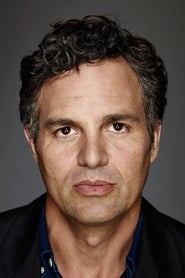
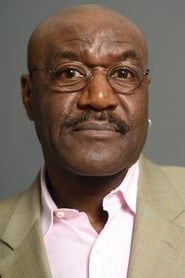
Robert Redford carries The Last Castle with a quiet intensity. His Irwin doesn’t need to shout — he commands attention just by standing still. Watch the way he refuses to flinch when Winter taunts him; it’s masterful. James Gandolfini, meanwhile, brings complexity to what could’ve been a one-note villain. His Winter isn’t just evil; he’s insecure, and Gandolfini lets that vulnerability peek through in key moments. Mark Ruffalo, as Irwin’s right-hand man Yates, is underused but effective when he’s on screen. Clifton Collins Jr. stands out as Aguilar, a prisoner whose loyalty to Irwin feels earned rather than forced. If there’s a weak link, it’s Delroy Lindo, whose brief appearance as a government official feels oddly flat.
Character Psychology
On the surface, Irwin wants to overthrow Winter and restore dignity to the prisoners. But what he really needs is redemption — for himself, and for the mistakes that landed him in prison. He’s not a saint, and the film doesn’t pretend he is. Winter, on the other hand, craves respect but can’t earn it. His cruelty masks a deep-seated insecurity that Gandolfini portrays with subtlety. That final confrontation between the two men isn’t just about power — it’s about who they are at their core.
Themes & Emotional Depth
The Last Castle is fundamentally about leadership — what it means to lead, and what it costs. Irwin’s ability to inspire the prisoners isn’t just charisma; it’s his willingness to stand with them, even when it puts him at risk. The film also explores the idea of honor in a dishonorable system. Winter represents the corruption of authority, while Irwin embodies its potential for good. The scene where the prisoners salute Irwin as he’s led away in chains is a powerful reminder that respect can’t be forced — it has to be earned.
Memorable Scenes & Dialogue
The flag-raising scene is a standout. As Irwin and the prisoners hoist a makeshift American flag, the camera slowly pulls back, emphasizing the sheer scale of their defiance. It’s a moment of quiet triumph that feels earned. Another memorable scene is Irwin’s silent reconstruction of the stone wall. The lack of dialogue forces you to focus on the physicality of the act, and Redford’s performance makes it oddly moving. The final confrontation between Irwin and Winter is tense, but what makes it work is the way both actors underplay the moment — it’s all in their eyes.
The Ending — Does It Deliver?
The climax feels inevitable, but that’s not a bad thing. The film earns its final showdown by building tension gradually, rather than rushing into action. What surprised me most was how restrained it is — there’s no grand monologue or over-the-top violence. Instead, the focus is on the characters’ internal struggles. The last shot, with the prisoners saluting Irwin, left me with a bittersweet mix of triumph and loss. It’s not a happy ending, but it feels right.
What Works
Redford’s performance is the heart of The Last Castle. He brings a quiet dignity to Irwin that makes him impossible to look away from. The flag-raising scene is a masterclass in visual storytelling, using minimal dialogue to convey a powerful message. Lurie’s direction keeps the tension high, especially in the final act.
Honest Criticism
The first act drags, spending too much time on Winter’s cruelty without advancing the plot. Delroy Lindo’s character feels unnecessary, adding little to the story. Some of the supporting prisoners are thinly sketched, which makes their loyalty to Irwin feel less earned.
How It Compares
The Last Castle shares DNA with films like Cool Hand Luke and The Shawshank Redemption, but it’s more militaristic in tone. Where it falls short is in its pacing, which can’t match the tightness of those classics. But it has one thing those films don’t: Robert Redford. His performance elevates the material, making the film more than just another prison drama.
Legacy & Cultural Impact
The Last Castle wasn’t a box office hit, earning just $18 million against a $72 million budget. Critics were divided, with some praising Redford’s performance and others criticizing the film’s predictable plot. Over time, though, it’s gained a modest following, particularly among fans of military dramas. Its exploration of leadership and rebellion still feels relevant, even if the film itself hasn’t become a classic.
Behind the Scenes
Robert Redford initially turned down the role of Irwin, fearing it was too similar to his part in Brubaker. He eventually agreed after reading a revised script. James Gandolfini’s casting was a last-minute decision after another actor dropped out. The prison set was built from scratch and took months to construct, costing millions.
Who Should Watch It?
Fans of military dramas or Redford’s work will enjoy The Last Castle. Viewers who prefer fast-paced action might find it too slow. Those looking for a nuanced character study will appreciate the performances, even if the plot is predictable.
Final Verdict
The Last Castle isn’t perfect, but it’s a solid, engaging drama anchored by Robert Redford’s commanding performance. The film’s exploration of leadership and honor feels timely, even if it occasionally stumbles. If you’re a fan of Redford or military stories, it’s well worth your time.
More details, ratings, and cast information on IMDb, TMDB, Wikipedia. YouTube